


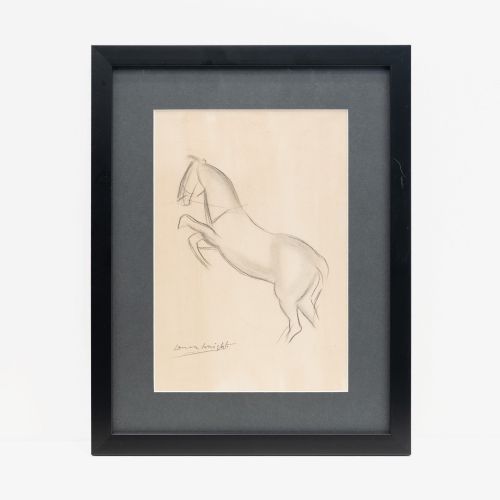


Original Horse Artwork
Original horse artwork captures the character and power of the animal across centuries of fine draftsmanship and painting.
Original Horse Artwork
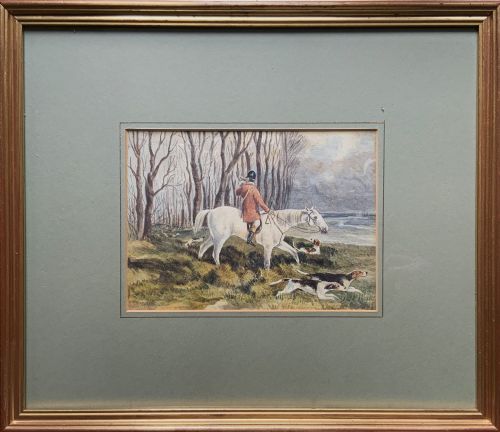
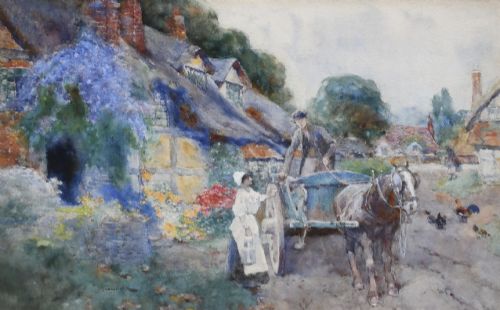
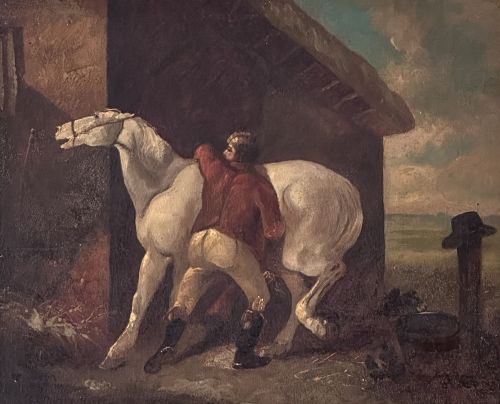
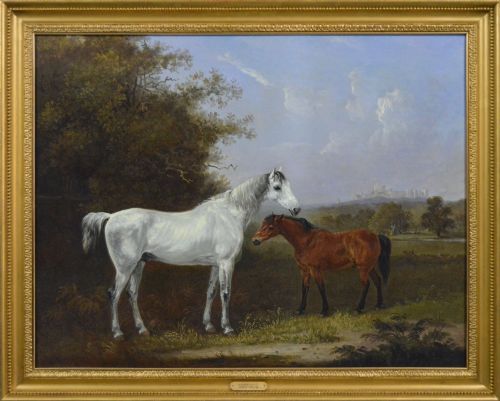
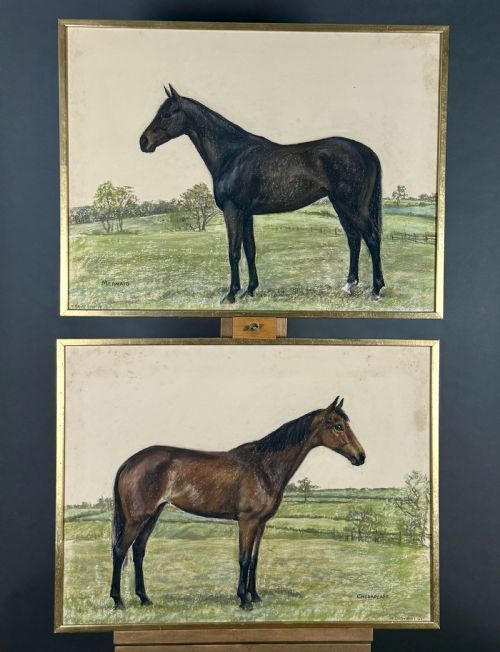
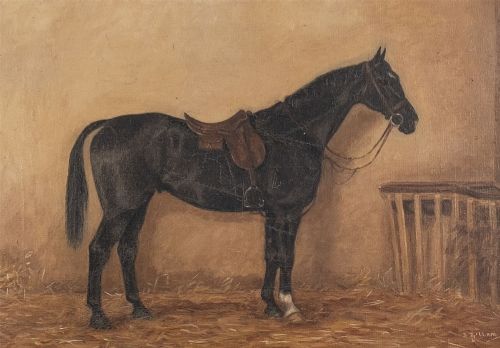
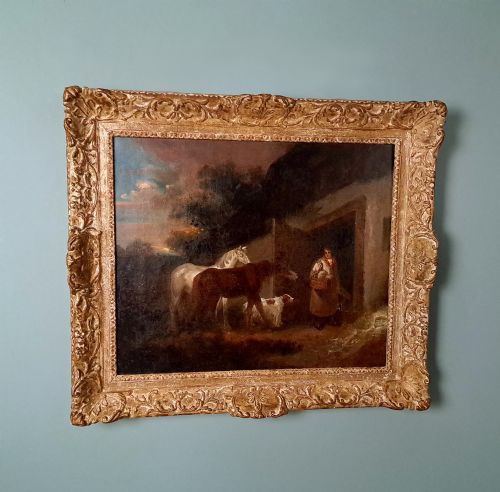
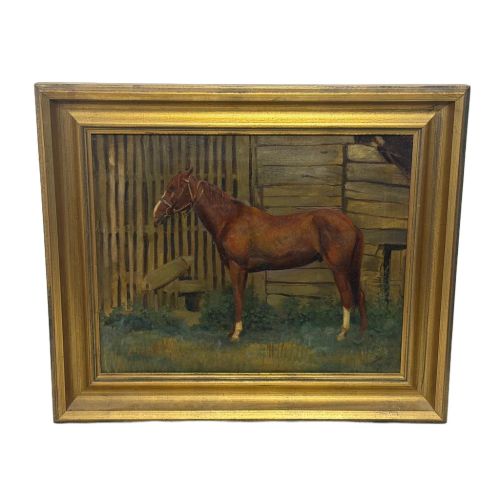
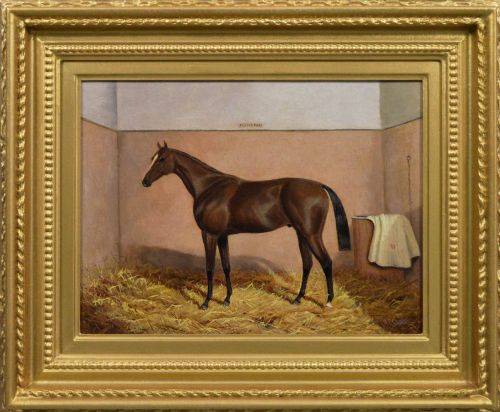
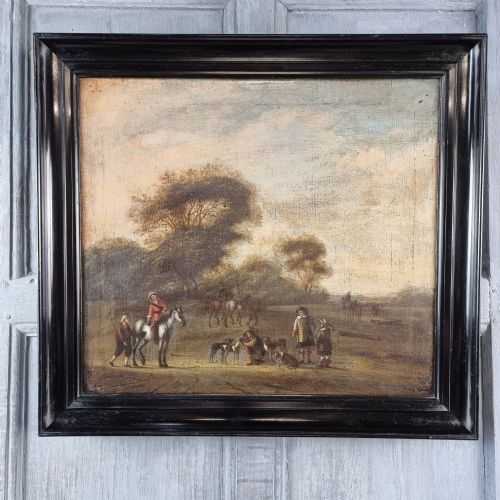
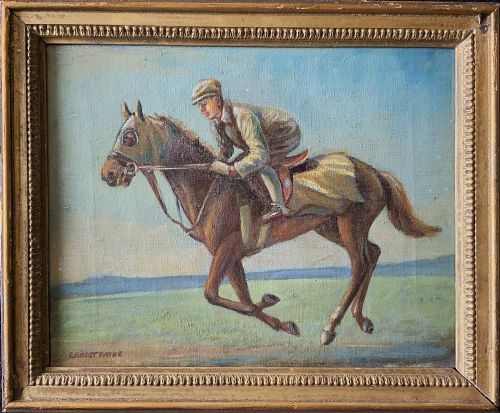
When searching for original horse artwork, buyers encounter a diverse selection of pieces ranging from detailed oil portraits to dynamic racing studies. These works span multiple eras, with significant representation from the nineteenth century through to the mid-twentieth century.
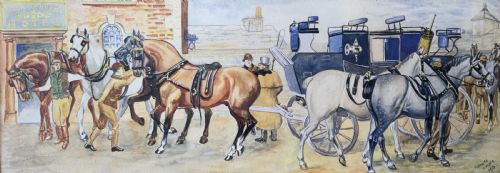
The subjects vary from individual portraits of named racehorses and ponies in stableyards to coaching scenes, polo matches, and rural working horses. Works appear in various mediums, including oil on canvas, delicate watercolours, pastels, and pencil drawings.
On this page, buyers are most likely to meet nineteenth-century oil paintings alongside mid-twentieth-century watercolours and pastels. These pieces reflect distinct artistic traditions, including British sporting art and French expressionist interpretations.
Materials and Technique
The physical makeup of these pieces relies on traditional supports such as canvas, wood panel, and various grades of heavy paper. Artists applied oil paint, watercolour, gouache, pastel, and chalk to build form and texture.
Printmakers utilised techniques like etching, drypoint, and lithography to produce original signed prints. Framing materials such as oak and walnut complement the age and origin of the paper and canvas works.
Original Horse Artwork Retail Price Guide 2026
Typical asking prices for original horse artwork among the pieces listed under this phrase on Sellingantiques today, from the lower quarter to the upper quarter. They describe what is for sale here now, not the wider market.
Listings feature works spanning from the Georgian era through the Victorian and Edwardian periods into mid-century modern movements.
Judging Quality in Equestrian Works
Quality in these pieces rests upon the artist's anatomical accuracy and understanding of equine movement. A master hand captures the tension in a muscle or the alertness of an ear with economy and precision.
The handling of light and atmosphere separates accomplished studies from rigid depictions. Superior works demonstrate an ability to convey the individual temperament of the animal rather than a generic template.
William Joseph Shayer Senior·Kurt Meyer-Eberhardt·Albert Clark·Ernest Payne·Dame Laura Knight·John Rattenbury Skeaping·Cecil Charles Windsor Aldin·John Ferneley Senior·Herbert Dicksee·John Linnell
The Original Horse Artwork Glossary
- Drypoint
- A printmaking technique where the artist scratches an image directly onto a metal plate with a sharp needle. This process creates a characteristic velvety burr along the lines when printed.
- Gouache
- An opaque water-based paint that provides solid, flat areas of colour with a matte finish. Artists often combine it with transparent watercolour to create highlights and depth.
- Pastel
- A medium consisting of powdered pigment bound into a stick form for drawing. It produces rich, velvety surfaces with subtle colour blending.
- Etching
- A process where lines are bitten into a metal plate using acid before ink is applied to the recesses for printing. This technique allows for fine, controlled detail.
- Sporting Art
- A genre dedicated to depicting rural sports, horse racing, hunting, and equine portraits. It holds a prominent place in British artistic heritage.
Original Horse Artwork: Frequently Asked Questions
How do I care for antique works on paper?
Keep watercolours, pastels, and drawings away from direct sunlight to prevent fading and discolouration of the paper support.
Ensure framing uses acid-free mounts and conservation glass to protect the delicate pigments from environmental damage.
What is the difference between an oil painting and a watercolour?
Oil paintings utilise slow-drying pigments suspended in medium, applied to canvas or panel to build rich, layered textures.
Watercolours employ water-soluble pigments on paper, creating luminous, transparent washes that rely on the white of the paper for brightness.
How can I tell the period of an equestrian painting?
Examine the framing, the style of the clothing on any riders, and the preparation of the canvas or paper support. Handwritten inscriptions on the reverse often provide clues to the date.
Stylistic conventions also change, shifting from rigid nineteenth-century portraiture to freer mid-century expressionist approaches.
Where should I hang equestrian art in my home?
These works suit traditional studies, hallways, or living spaces where adequate wall space allows the piece to become a focal point. Pair them with complementary period frames to enhance their visual impact.
Avoid damp areas like kitchens or unventilated spaces to protect canvas and paper integrity.