

Original Gilt Frame Artwork
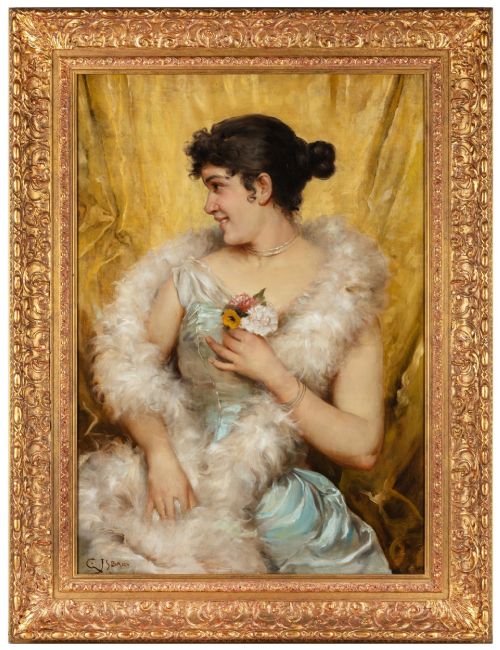
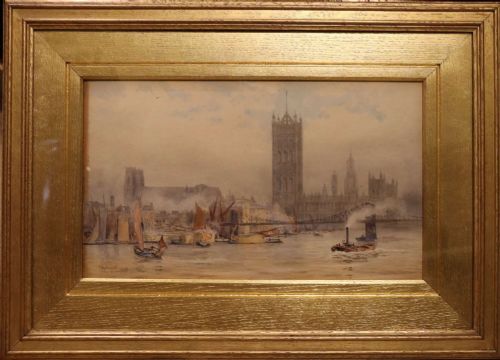
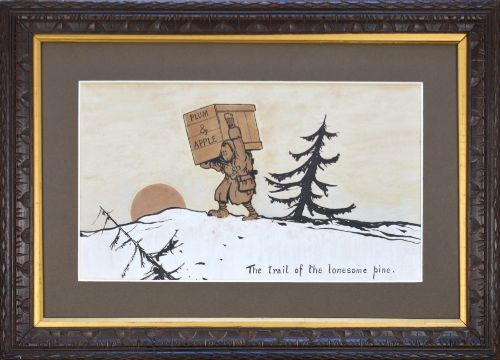
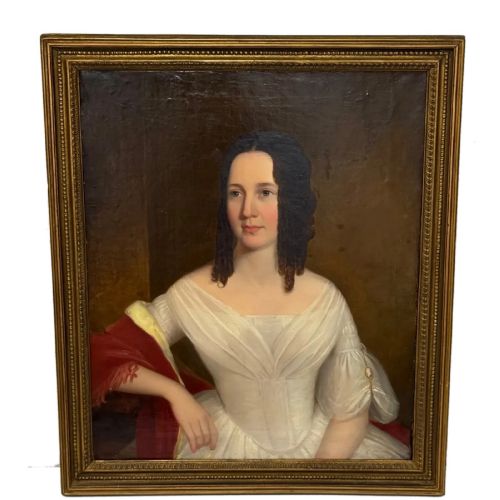
Original gilt frame artwork brings together centuries of painted canvases, watercolours and drawings enclosed in gold-leafed wooden mouldings.
Original Gilt Frame Artwork
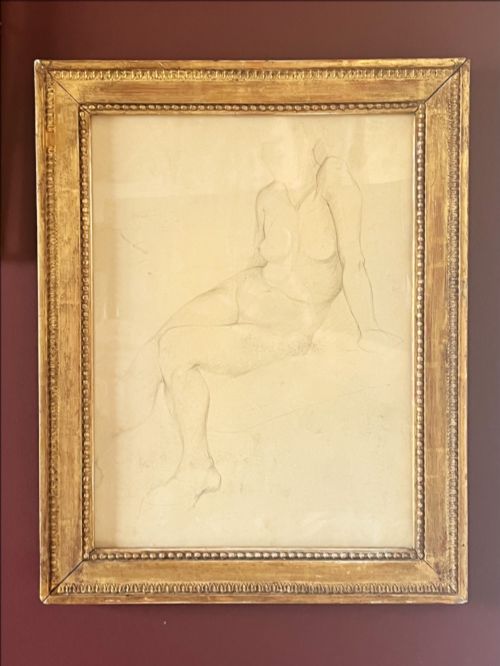
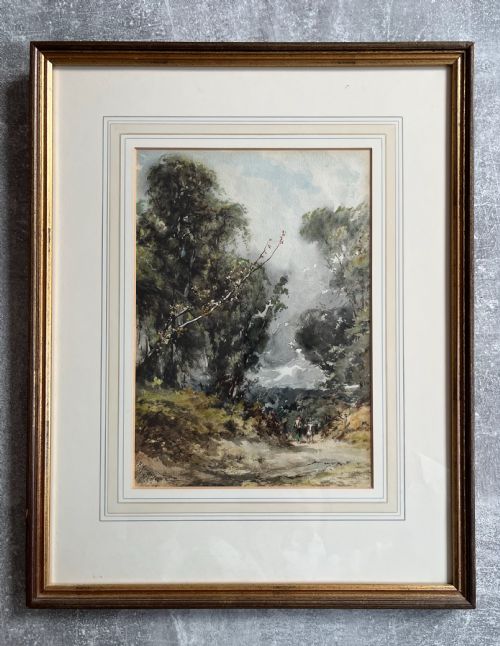
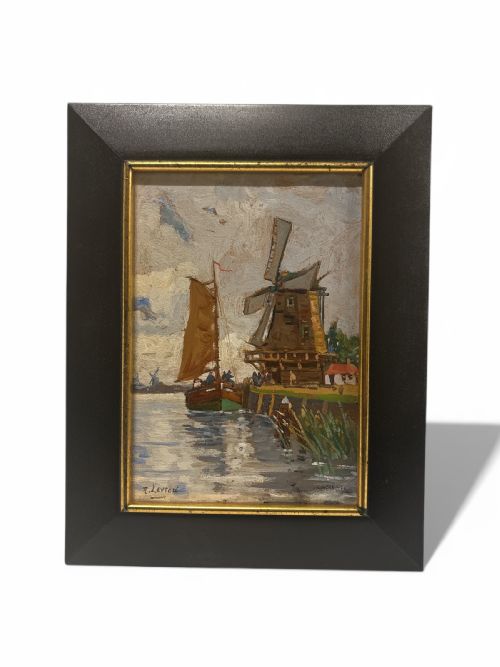
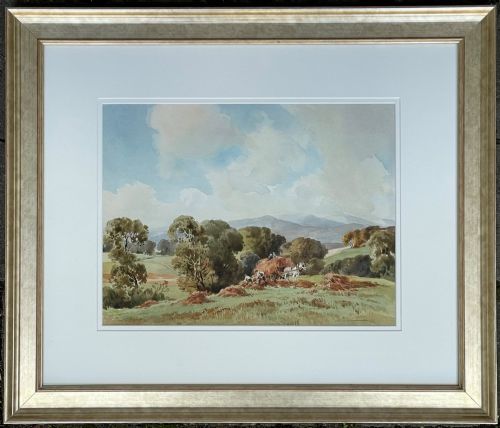
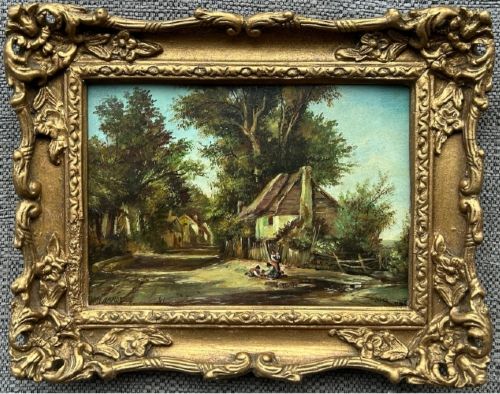
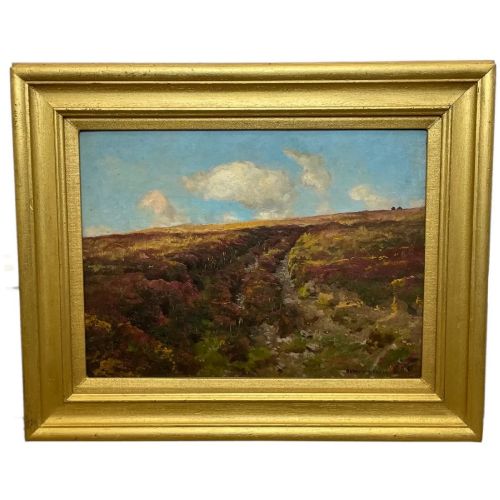
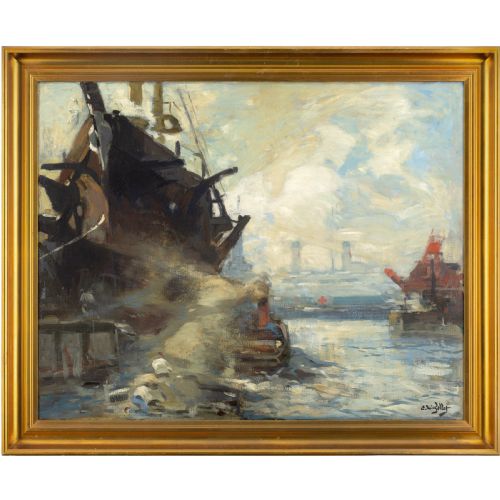
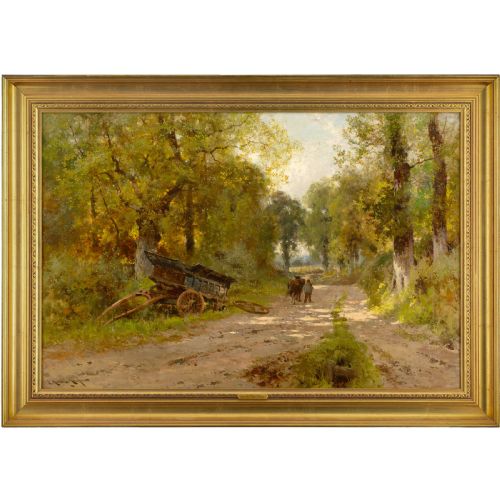
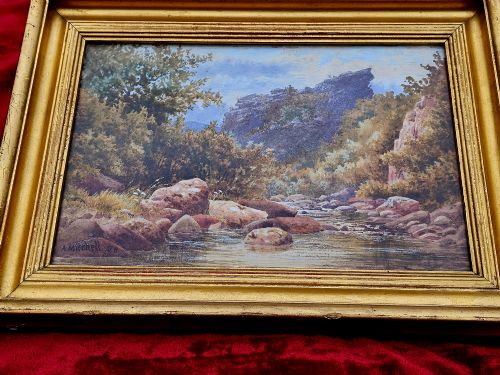
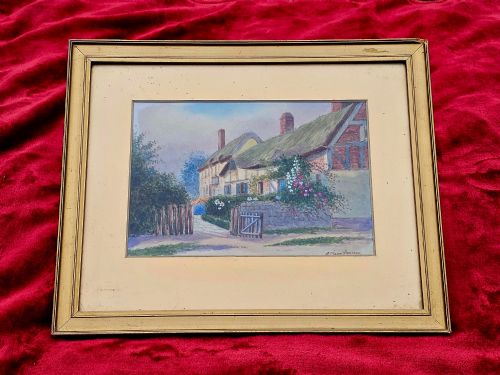
When you search for original gilt frame artwork, you encounter paintings, watercolours, drawings and pastels created across the nineteenth and twentieth centuries. These pieces span portraits, landscapes, seascapes, still lifes and coastal scenes executed by named and regional artists.
The versions you meet most frequently on this page originate from the Victorian and Edwardian eras through to the mid-twentieth century. They combine traditional painted mediums on canvas, panel, board or paper with period wooden surrounds finished in gold leaf or gesso.
Materials and construction methods
Makers built the surrounds using wood and applied gesso, finishing the mouldings with layers of gold leaf or metallic application to catch ambient light. Artists applied oil paint, watercolour or pastel onto stretched canvas, wooden panels, heavy board or paper supports.
Paintings utilise oil paints or watercolours built up in glazes and brushwork, while drawings employ pencil, drypoint or pastel techniques. These elements unite to form cohesive visual objects where the housing complements the painted surface.
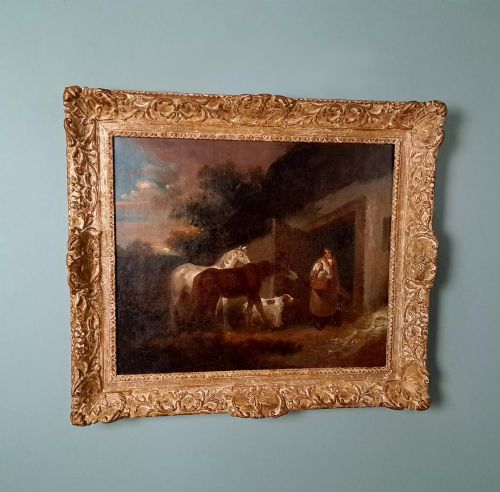
Cats, dogs, birds and horses frequently share the canvas with human subjects, proving artists loved animals as much as collectors do.
Distinctions in quality and execution
Quality rests in the handling of the medium, the expressiveness of the brushwork and the preservation of the original surface. Works by established Royal Academy members or signed professional painters display superior draftsmanship and command stronger visual presence.
The surrounding frame also determines standard, with hand-carved wooden mouldings and crisp gesso ornament showing higher craftsmanship than plain or later replacement surrounds. The harmony between the artwork and its period housing dictates the overall cohesion.
Joseph Clover·George Fotherly Hargitt·Percy Lancaster·William Howard Hardy·Arthur Wardle·Eugène-Louis Gillot·John Horace Hooper·A. Marie Parsons·William Joseph Shayer Senior·Alfred Fontville de Breanski Jr·Sidney A. Court·Oliver Clare·Kershaw Schofield·Charles Edward Dixon·George Houston·Eric Tufnell·William Banks Fortescue·Stephen Samuel Lewin·Vittorio Reggianini·Thomas W Lascelles·Gabriel Mathieu·Kurt Meyer-Eberhardt·David Bates·Alfred Lyndon Grace·G. J. S. Bary
The Original Gilt Frame Artwork Glossary
- Giltwood
- Wood that has been coated with thin sheets of gold leaf or gold powder. This finish provides a reflective surface designed to illuminate the artwork within.
- Gesso
- A plaster-like mixture applied to wood frames to create a smooth surface for moulding or gilding. It allows intricate decorative details to be shaped onto the border.
- Oil on Canvas
- Pigment mixed with drying oil applied to a woven fabric stretched over a wooden frame. This combination allows for rich colour blending and textural depth.
- Watercolour
- Pigments suspended in a water-soluble base applied to paper supports. It produces translucent washes and delicate tonal shifts.
- Drypoint
- A printmaking technique where an image is scratched directly onto a metal plate with a sharp needle. This process creates characteristic soft, velvety lines when printed.
Original Gilt Frame Artwork: Frequently Asked Questions
What periods do these pieces span?
The selection covers items produced from the eighteenth century through the nineteenth century and into the twentieth century. Examples include Victorian, Edwardian, Regency and later twentieth-century pieces.
Most items originate from the Victorian and Edwardian periods, reflecting the prevailing artistic output of those decades.
Are the frames original to the art?
Many works retain their period surrounds, constructed from wood, gesso and gilt finishes that match the era of the painting. These housings complement the aesthetic of the enclosed canvas or paper.
Some pieces pair traditional artwork with period-appropriate or later gilt mouldings designed to house the medium securely.
What subjects appear most frequently?
Landscapes, seascapes, floral still lifes and portraits dominate the selection, executed in oils, watercolours or pastels. Artists captured scenes ranging from coastal Cornwall to domestic interiors and naval battles.
Both British and continental European scenes feature among the listings, recorded by academic realists, impressionists and regional painters.
How should I care for a gilt frame?
Keep gilded wooden mouldings away from direct sunlight and damp environments to protect the fragile gold leaf and gesso layers. Dust the surfaces gently with a dry, soft brush without using liquid cleaners.
Avoid abrasive cloths that might lift the metallic finish or damage the carved details of the moulding.