
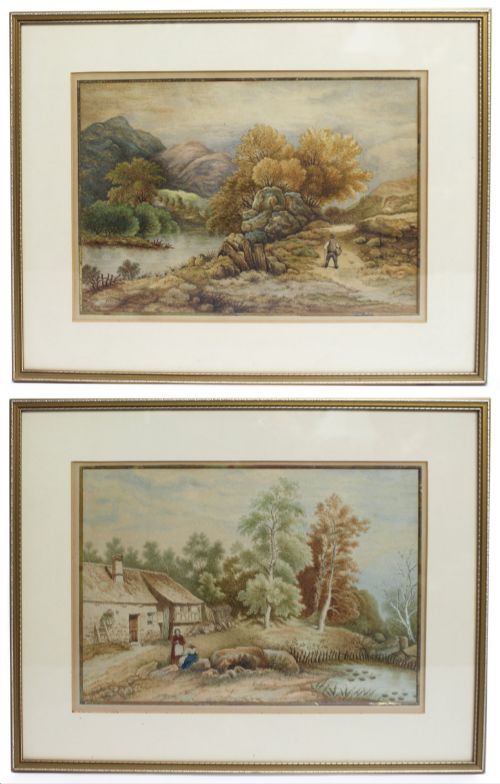
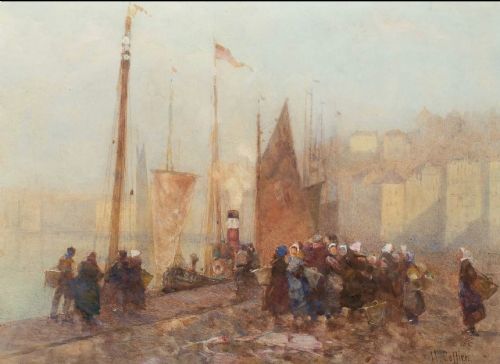
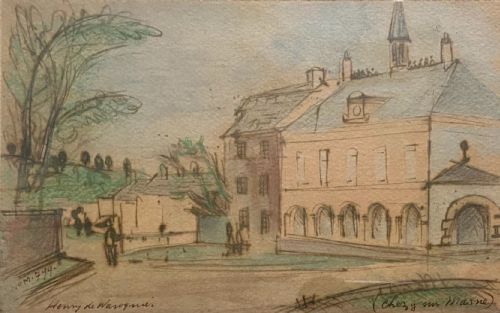
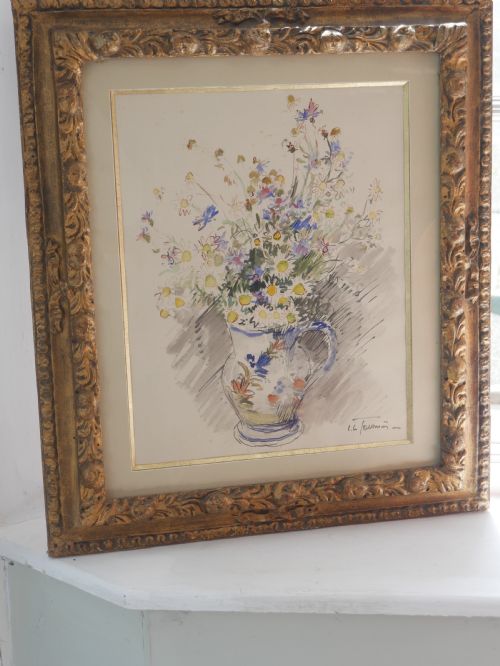



Original French Watercolour Painting
An original french watercolour painting captures light and atmosphere on paper through fluid pigments, offering a direct window into past European landscapes and townscapes.
Original French Watercolour Painting
An original french watercolour painting represents works on paper created across the nineteenth and twentieth centuries, spanning periods from Victorian and Edwardian eras to mid-century modern movements. These pieces often depict coastal scenes, bustling market squares, rural villages, and intimate portraits created by artists working in France or recording French subjects.
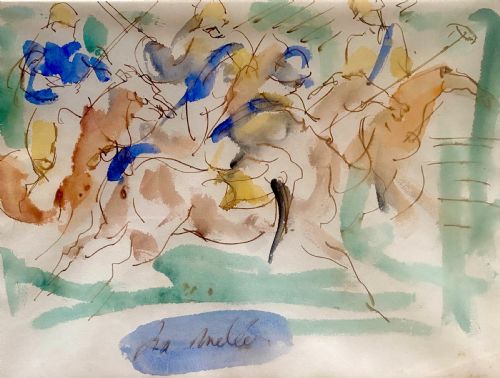
Buyers encounter a diverse range of compositions on this page, including townscapes featuring Notre Dame, equestrian scenes, botanical studies, and coastal views of Normandy. The selection includes works executed in pure watercolour as well as mixed media combinations incorporating gouache, ink, and coloured pencil on paper.
The physical presentation typically involves framing behind glass, sometimes paired with giltwood surrounds that complement the delicate nature of works on paper. These paintings range from rapid plein-air sketches to finished exhibition pieces bearing the signatures of established painters and regional artists.
How they were made
Watercolour pigment relies on water-soluble binders applied to paper surfaces, allowing artists to build translucent washes that capture natural light. Painters frequently utilised supportive media such as bodycolour, gouache, and ink lines to define contours and add opacity to specific areas of the composition.
Support materials primarily consist of heavy grade paper housed within traditional timber frames, occasionally featuring glass protection to preserve the water-soluble pigments from environmental moisture and atmospheric dust. Giltwood and gilded wood mouldings frequently enclose these works, reflecting the framing standards of their respective periods.
Several watercolours preserve the quiet domesticity of past centuries, capturing everything from market days in Berry to botanical studies of amaranth.
What varies in quality
Quality in these works rests on the confidence of the brushwork and the artist's ability to capture movement and light swiftly across the paper surface. Stronger examples demonstrate assured handling in complex architectural townscapes or dynamic figurative scenes, whereas lesser pieces can feel stiff or overly laboured.
The preservation of the paper support and the vibrancy of the pigments also distinguish superior examples. Works that maintain their original tonal depth without excessive fading or paper discolouration command greater appreciation among collectors of historic works on paper.
Hector Caffieri·Henry de Waroquier·Albert Ludovici Jnr·Olga Choumansky·Gaston Cornil·William Lee Hankey·Henri Joseph Harpignies·Joseph W Milliken·Noel Harry Leaver·Irene Lagut·Maurice Asselin·Kees van Dongen·Yves Brayer·Paul-Louis Barruel·Charles Eyres Simmons·Lamorna Birch·Elisabeth Vigee Le Brun·Keeley Halswelle·Thomas Colman Dibdin·Mary Evelina Kindon·George Bryant Campion·Queen Marie Amelie·Constantin Guys
The Original French Watercolour Painting Glossary
- Gouache
- An opaque watercolour paint mixed with a white pigment filler, producing a heavier and less transparent finish than traditional watercolour. Artists utilise this medium to add solid highlights and dense blocks of colour to works on paper.
- Plein-air
- Painting executed outdoors directly in front of the subject to capture transient effects of natural light and weather. This practice became central to nineteenth-century landscape and impressionist painters working across French countryside and coastal locations.
- Mixed media
- An artwork combining two or more distinct artistic materials, such as watercolour paired with ink, gouache, or pastel. This technique allows creators to merge fluid washes with precise linear details on the same sheet.
- Works on paper
- A broad category encompassing drawings, watercolours, prints, and gouaches created on paper supports rather than canvas or panel. These items require preservation behind glass to protect the substrate from physical and environmental wear.
Original French Watercolour Painting: Frequently Asked Questions
How should I hang an antique watercolour?
Keep works on paper away from direct sunlight to prevent the watercolour pigments and paper supports from fading over time. Professional framing with acid-free mounts and glass protection ensures the longevity of these delicate paintings.
Position the artwork at eye level in rooms with stable humidity and temperature levels. This protects the historic paper and framing materials from environmental stress.
What subjects are typical in French watercolours?
Common subjects include coastal views of Normandy, bustling market scenes in regional towns, and Parisian streetscapes featuring landmarks like Notre Dame. Artists also recorded rural landscapes, equestrian events, and botanical studies.
These compositions reflect the prevailing artistic interests of periods ranging from the nineteenth century through the mid-twentieth century. Each piece offers a direct visual record of French life and topography from its specific era.
How do I identify the date of a painting?
Examine the signature, artist inscriptions, and framing materials for period clues, along with any labels or stamps remaining on the reverse of the paper or mount. Stylistic elements such as impressionist brushwork or mid-century composition also help narrow down the decade of creation.
Many listings provide verified dates or active working periods of the artists involved. Comparing the handling of medium to documented works from the same maker offers further chronological context.
What is the difference between watercolour and gouache?
Traditional watercolour relies on transparent pigments that allow the white of the paper to shine through the washes. This creates luminous effects favoured in landscape and atmospheric studies.
Gouache incorporates an added white pigment to create an opaque finish with solid blocks of colour. Artists often combined both water-based mediums on paper to achieve varied textures and highlights.