
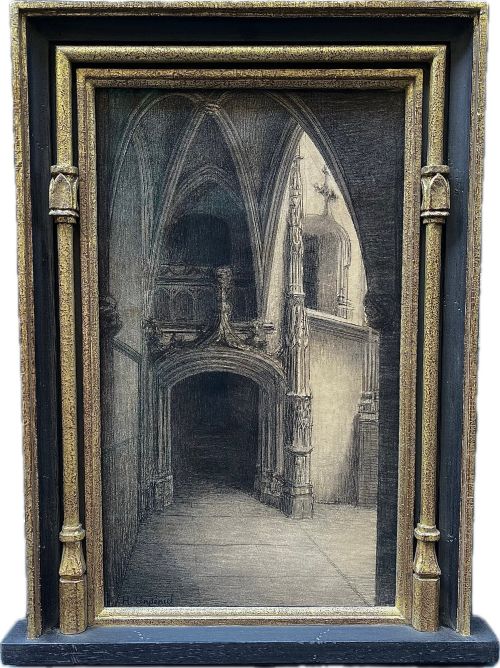
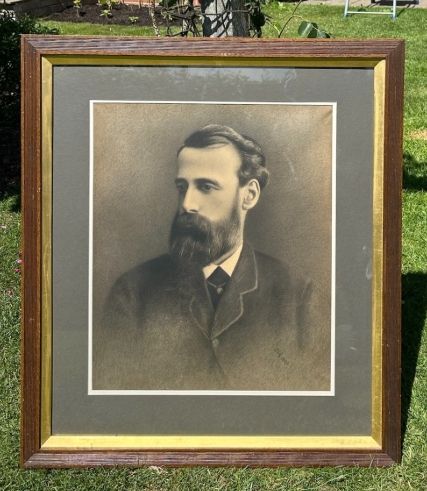
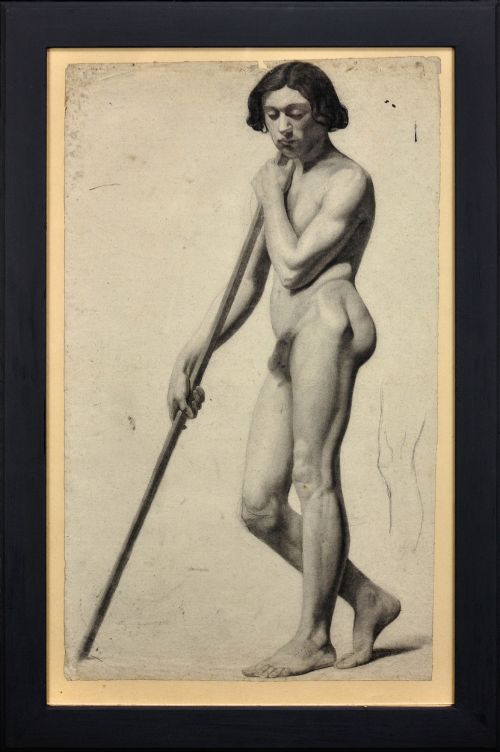


Original Framed Charcoal Drawing
An original framed charcoal drawing brings immediate atmosphere and depth to a room through the rich contrast of monochrome carbon on paper.
Original Framed Charcoal Drawing
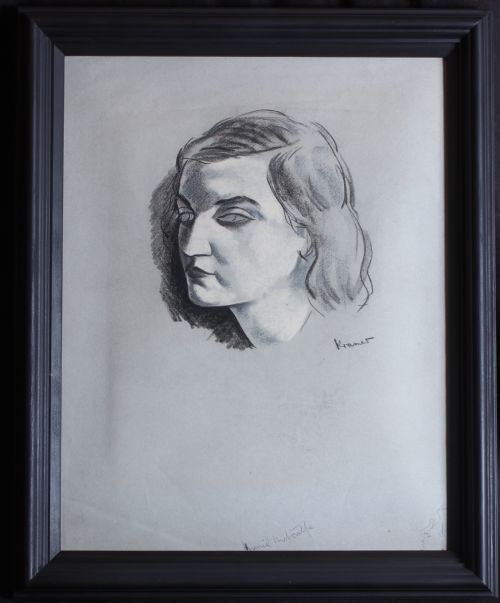
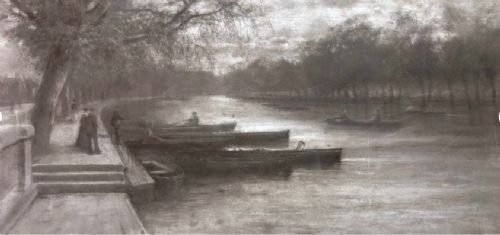
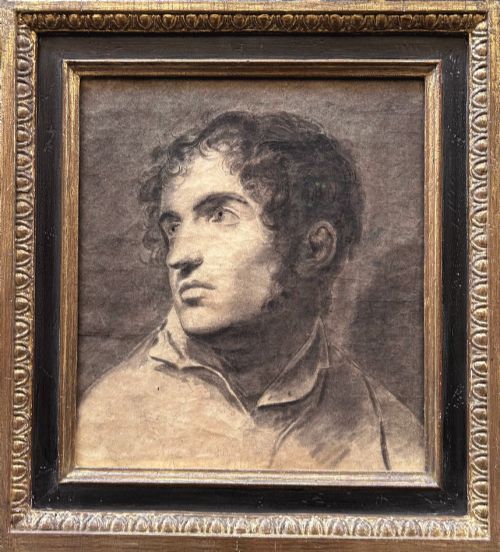
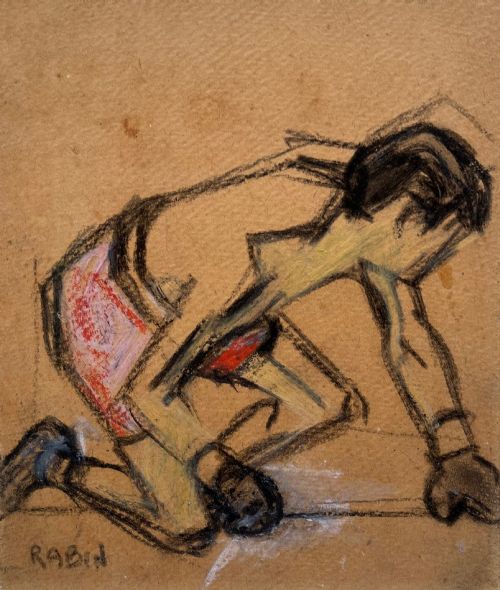
An original framed charcoal drawing is a unique work on paper executed by hand, spanning academic life studies, portraiture, and landscapes. These pieces range from nineteenth-century academic realism to mid-century modernist and Edwardian works, capturing direct moments of observation.
The selections available here emphasise portrait drawings and figure studies alongside architectural and landscape subjects. Buyers encounter works framed in period timber and giltwood, ready to hang.
Originating from British, French, and African schools, the assortment demonstrates varied draughtsmanship from formal studio practice to rapid plein air sketching.
How they were made
Artists utilise vine or compressed charcoal on textured paper, occasionally combining graphite, chalk, or pastel to build tone and highlight form. The friable nature of carbon requires careful fixing to preserve the powdery pigment against the protective glass.
Supporting frames are constructed from wood, frequently finished in giltwood or simple moulded profiles appropriate to the period of creation. Glazing protects the delicate surface of the paper from atmospheric damage and handling.
Listings span periods from the nineteenth century through the 1960s, employing charcoal, chalk, and pastel on paper within wood and giltwood frames.
What varies in quality
Quality rests upon the sureness of the draughtsman's line and the expressive capture of light and form. Masterly control of shadow and contour distinguishes a resolved study from a casual sketch.
The integrity of the paper support and the preservation of the charcoal medium without excessive smudging dictate the longevity and visual impact of the sheet. Original period framing matching the age of the artwork adds cohesion and context.
Samuel Rabin·Henry Arthur Roberts·Demetrios Galanis·J D Fergusson·Frank Dobson
The Original Framed Charcoal Drawing Glossary
- Charcoal
- A dry drawing medium made from charred organic material that produces deep velvety blacks and wide tonal gradations. It is manipulated easily with fingers or stumps to create soft shadows.
- Academic Realism
- A style of painting and drawing produced under the influence of European academies of art. It emphasises precise anatomical correctness and careful observation from life.
- Giltwood
- Wood carved and coated with a thin layer of gold leaf or metallic powder. This finish is typical of traditional decorative framing.
- Life Study
- A drawing executed directly from a live human model. These works record the physical form and bone structure in a studio setting.
Original Framed Charcoal Drawing: Frequently Asked Questions
How do I hang a charcoal drawing?
Hang the framed artwork away from direct sunlight to prevent the paper from yellowing and the charcoal from fading over time. Maintain stable indoor humidity to protect the paper support and the wooden frame.
Ensure the piece is secured firmly to wall studs or hung using appropriate fixings suited to the weight of the glass and wooden moulding.
Are these drawings one of a kind?
Every piece listed is a unique, hand-drawn original work rather than a mechanical print or reproduction. The artist applied the medium directly to the paper surface.
This individuality means brush marks, smudges, and subtle corrections by the artist remain visible under the glass.
How do I date an antique drawing?
Dating relies upon stylistic markers, costume details in portraits, and the physical evidence of the paper and framing materials. Signatures, inscriptions, and artist biographies provide further chronological context.
Backboards, framing nails, and paper watermarks often offer additional clues regarding the period of execution.
Can I remove the drawing from its frame?
Removing vintage paper works from their historic frames risks damaging both the fragile charcoal surface and the original housing. Many pieces retain period framing that forms an integral part of their history.
Consult a professional paper conservator before attempting any unglazing or reframing work.