

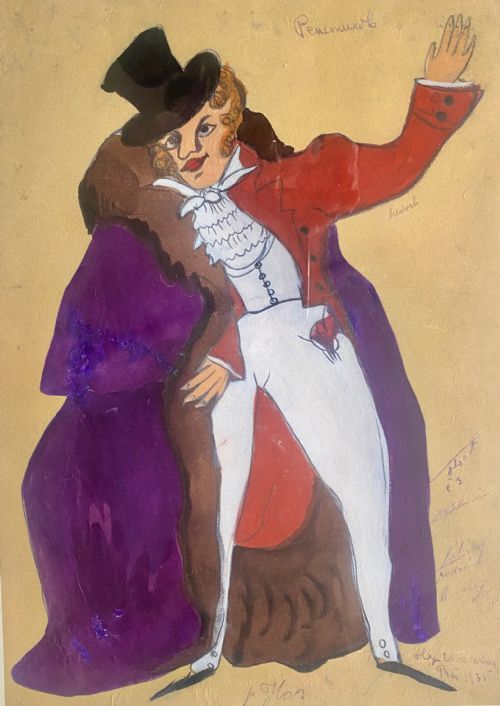


Original Figurative Sketch
An original figurative sketch captures a human subject directly through the artist's hand, offering immediate insight into form and character.
Original Figurative Sketch
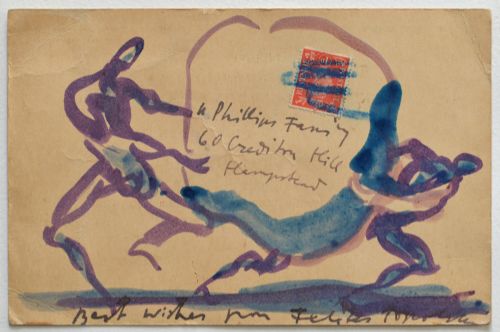
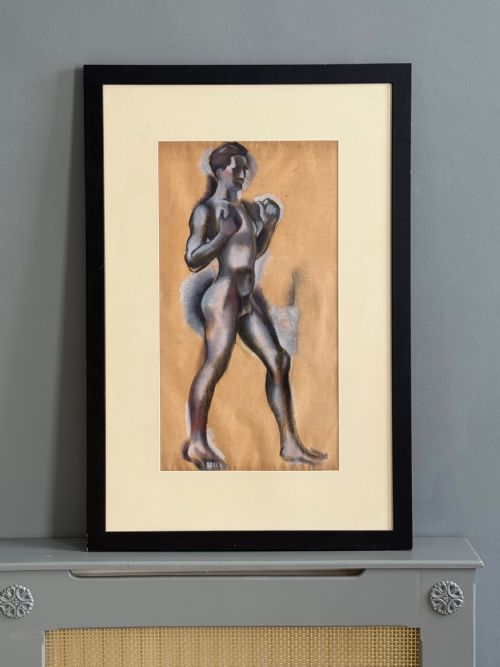
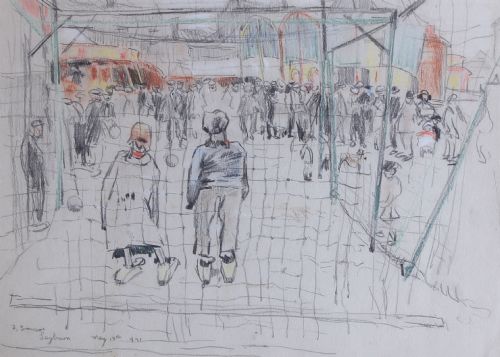
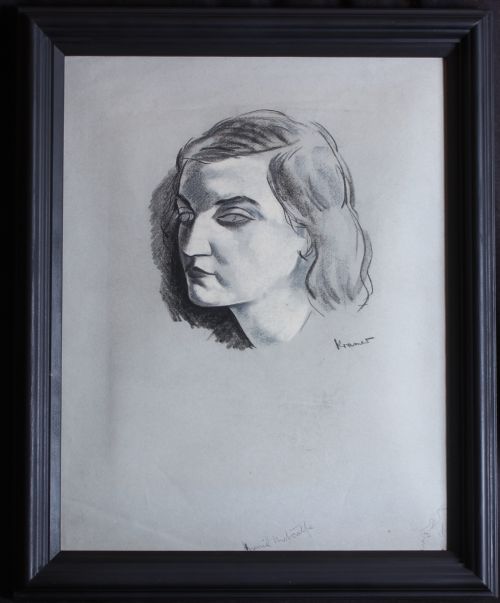
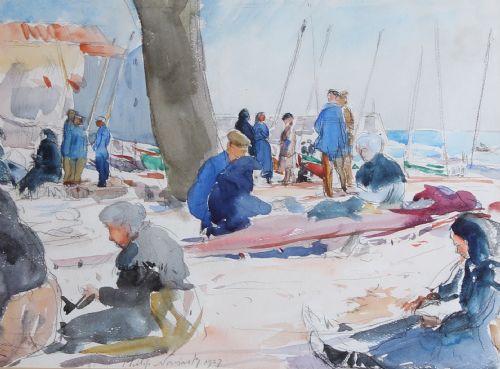
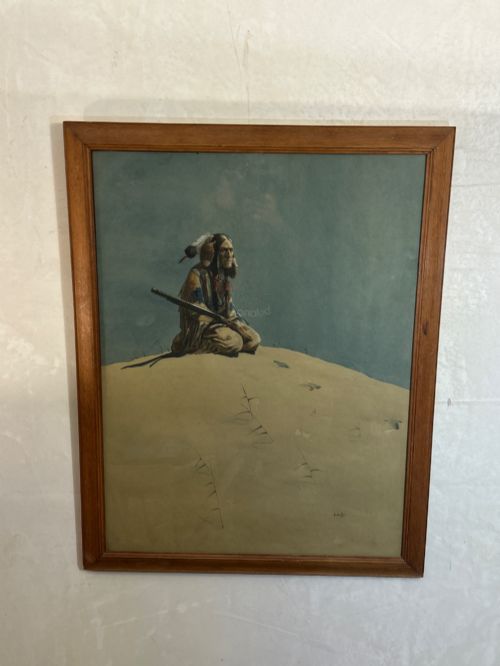
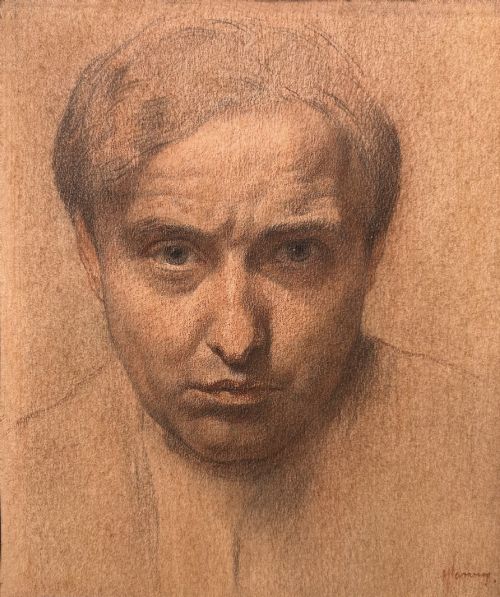
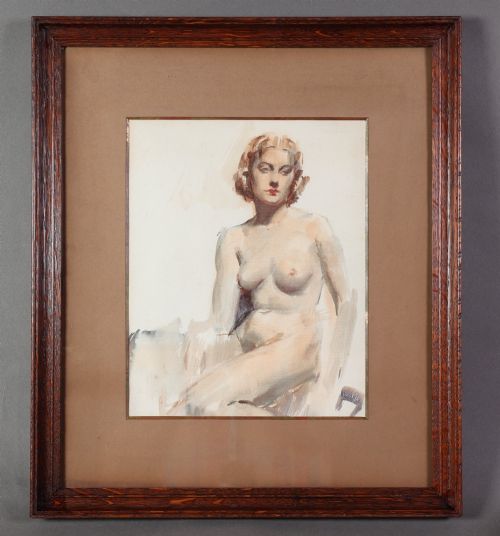
When you search for an original figurative sketch, you encounter works concentrating primarily on human subjects, ranging from quick life studies to detailed portraits. The examples on this page span from the late nineteenth century through the mid-twentieth century, encompassing periods like the Edwardian era and the 1950s. Academic realism, modernism, and art deco styles appear frequently across these selections.
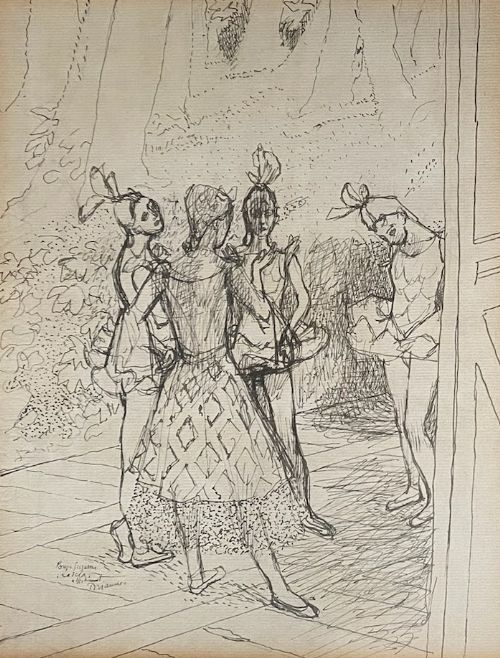
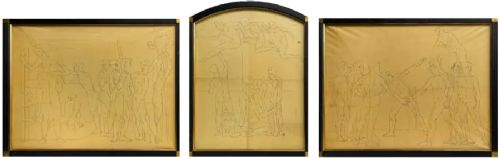
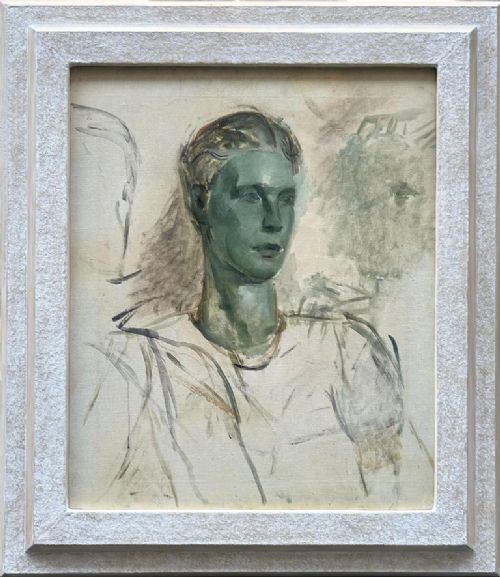
Most pieces take the form of drawings, framed artwork, and paintings on paper. Subjects include dancers, bathers, and portraits executed by named artists and regional schools alike. These works function as direct records of observation, capturing movement and expression without the intermediary of print reproduction.
Materials and techniques
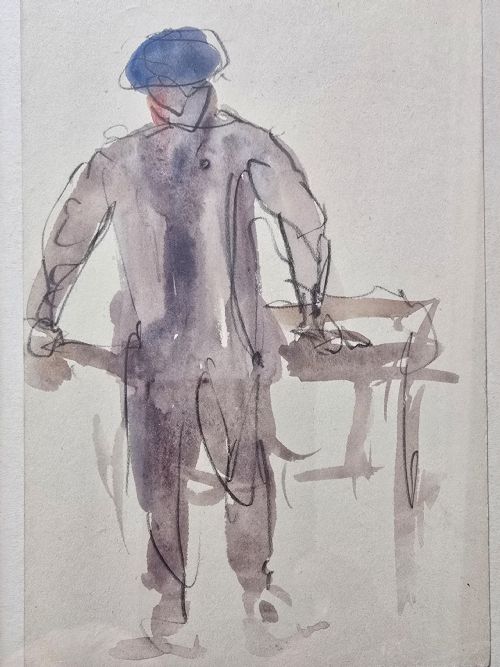
Artists utilise paper as the primary support, applying media such as charcoal, ink, pastel, watercolour, and graphite directly to the surface. Charcoal and chalk permit rapid adjustments of shadow and contour, while ink and watercolour deliver permanent, fluid lines.
Panel and canvas appear occasionally alongside paper supports, matched with oil or gouache. The draughtsman relies on dry media for hatching and tonal blending, preserving the spontaneous marks characteristic of a studio study.
Original Figurative Sketch Retail Price Guide 2026
Typical asking prices for original figurative sketch among the pieces listed under this phrase on Sellingantiques today, from the lower quarter to the upper quarter. They describe what is for sale here now, not the wider market.
Ballerinas caught backstage during a 1950s performance share shelf space with avant-garde surrealists and earnest studio nudes.
Variations in quality
Quality rests upon the sureness of the draughtsmanship and the economy of line used to define the subject. A superior sketch demonstrates confident anatomy and proportion, whereas a weaker example betrays hesitation or stiffness in the execution.
The relationship between the subject and the surrounding space dictates visual success. Well-executed pieces manage negative space purposefully, giving the human figure weight and presence on the sheet.
Philip Naviasky·Jacob Kramer·John Hassall·Maurice Brianchon·James Stroudley·Olga Choumansky·Demetrios Galanis·Raoul Millais·Denis William Reed·Lucien Freud·John Duncan Fergusson·Frank Dobson·Kees van Dongen·Sonia Lawson
The Original Figurative Sketch Glossary
- Charcoal
- A dry drawing medium made from burnt organic material that produces deep blacks and soft smudged tones. It allows rapid manipulation of light and shadow.
- Gouache
- An opaque water-based paint that provides solid, flat areas of colour with a matte finish. It is often combined with ink or watercolour in works on paper.
- Pastel
- A powdered pigment bound into stick form for drawing. It yields velvety colour transitions and immediate surface texture.
- Provenance
- The documented history of ownership surrounding an artwork. It establishes authenticity and traces the chain of custody from the studio onward.
Original Figurative Sketch: Frequently Asked Questions
What is a figurative sketch?
A figurative sketch is a preparatory or finished drawing focused on the human form. It records posture, gesture, or expression directly from a model.
These works prioritize line and tone over elaborate colour schemes. They offer a direct window into the artist's working method.
How should I frame paper drawings?
Paper drawings require preservation framing utilising acid-free mounts and backing boards. This prevents chemical degradation and discoloration over time.
Glazing protects the fragile charcoal or pastel surface from atmospheric dust and moisture. UV-filtered glass safeguards pigments against fading under direct light.
Where were these sketches created?
Artists produced these works in studio settings, academies, and outdoor locations across Britain and continental Europe. Many reflect the artistic movements circulating through Paris and London during the early twentieth century.
Life-drawing classes and backstage rehearsals provided immediate access to subjects in motion. Studio collections often retained these sheets as working records rather than exhibition pieces.
How do I identify the period?
Period identification relies upon stylistic markers, paper watermarks, framing remnants, and signature formats. Art deco and modernist pieces display characteristic geometric simplification or expressive distortion.
Subject matter and attire also anchor the work in a specific decade. Comparative study with dated works by the same school clarifies the timeline.