
Original Figurative Artwork
Original figurative artwork captures human form and character through the hands of painters and draughtsmen from the nineteenth and twentieth centuries.
Original Figurative Artwork
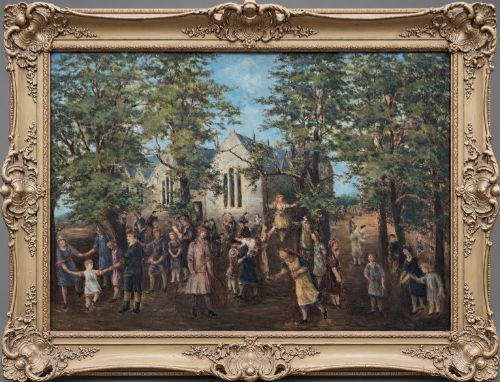
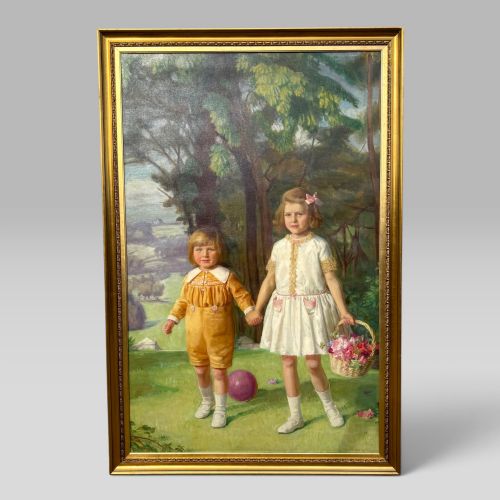
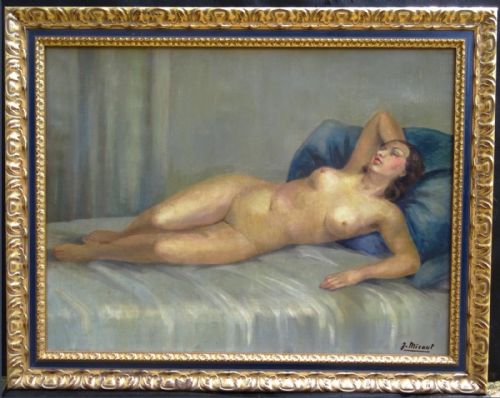
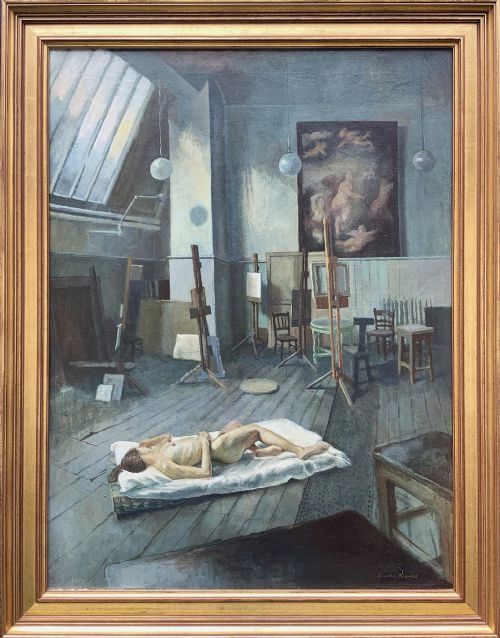
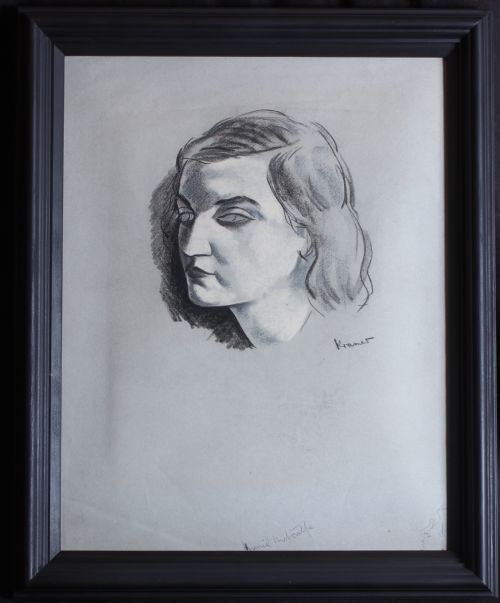
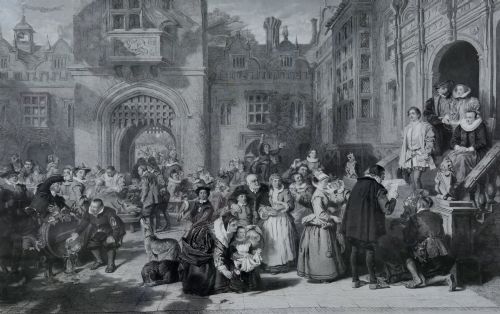
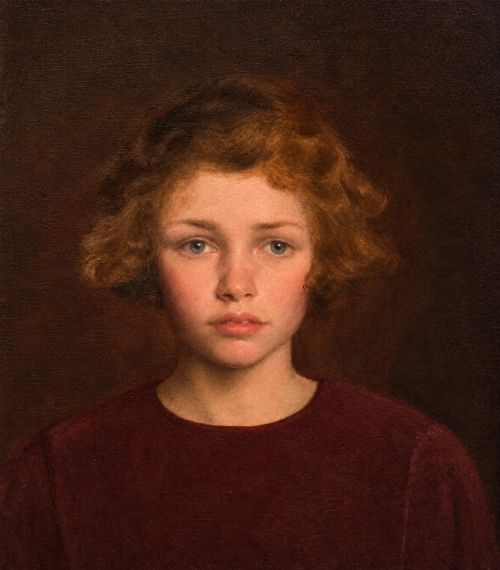
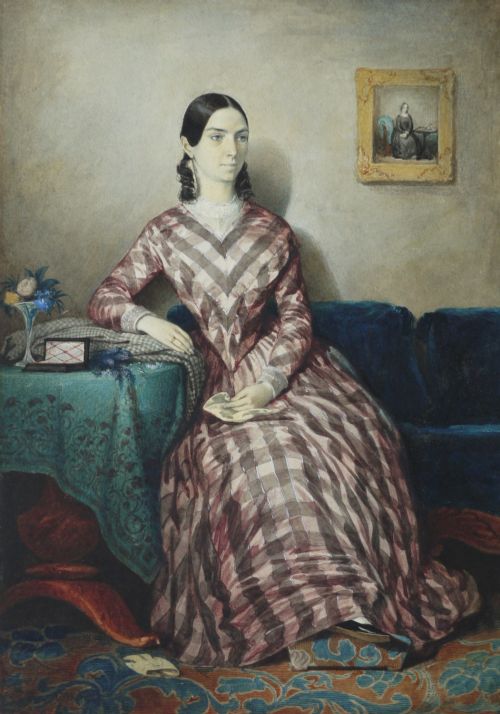
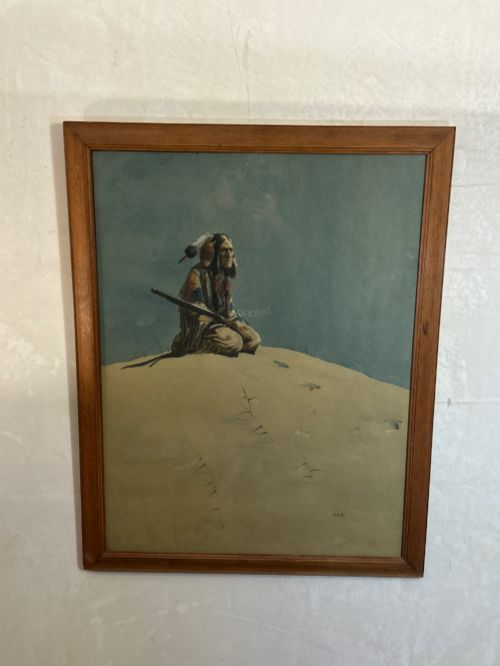
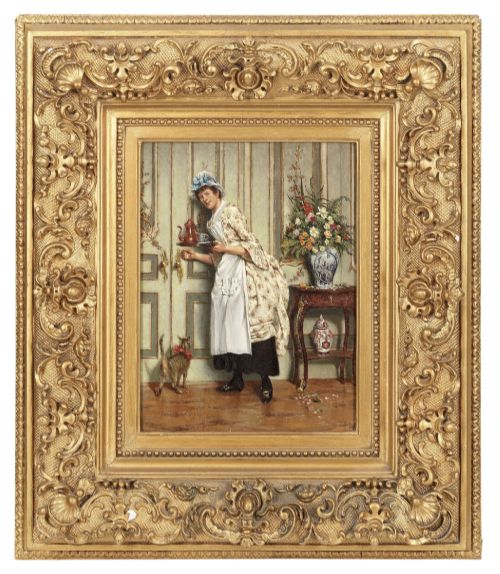
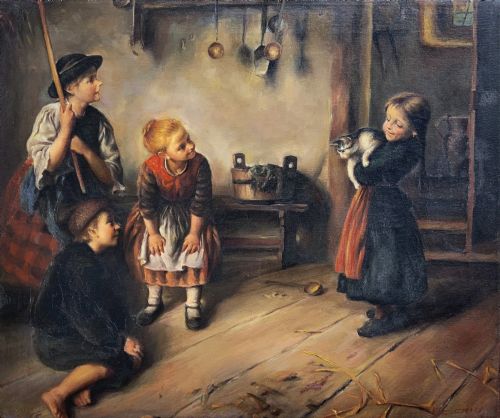
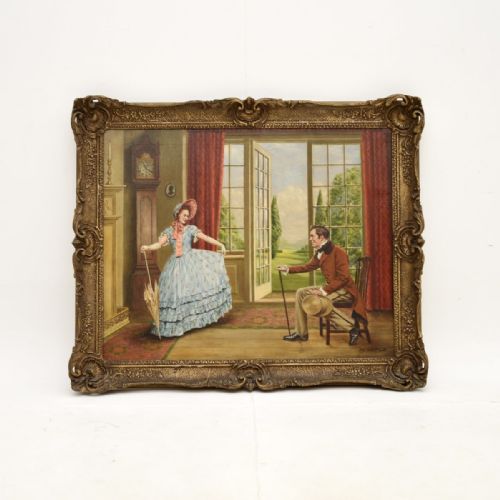
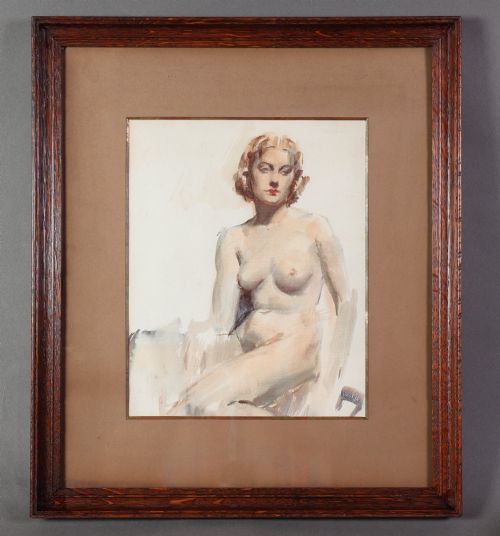
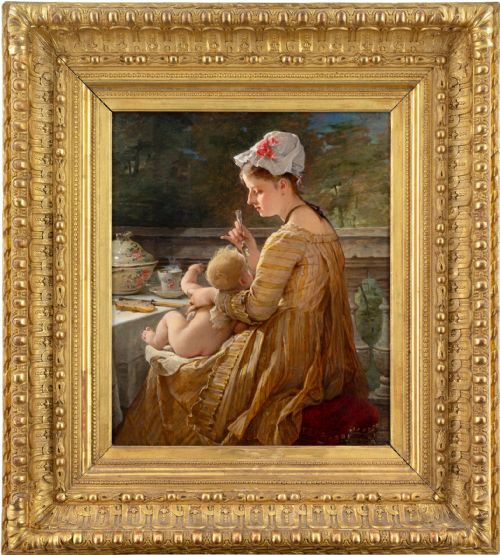
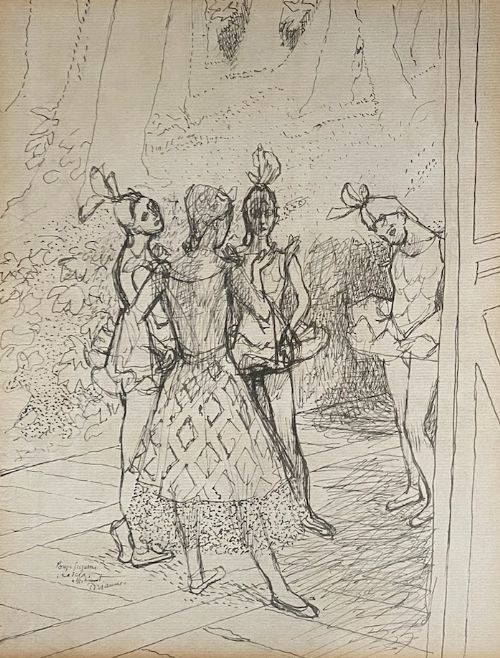
Original figurative artwork encompasses paintings, watercolours, and drawings that focus upon people, whether posed in interiors, captured outdoors, or rendered as character studies. When searching this phrase, a buyer meets depictions ranging from Victorian genre scenes to mid-century modern portraits.
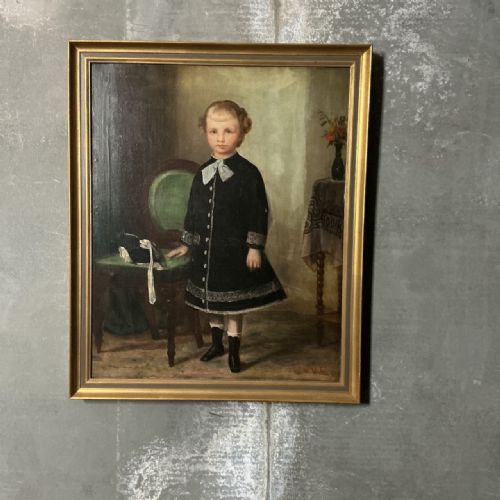
The works span from the late nineteenth century through to the 1960s, drawing on periods such as Academic Realism, Post-Impressionism, and the Modern British movement. Subjects include dancers, children, portrait sitters, and labourers recorded by named artists and anonymous hands.
Most examples take the form of oil paintings on canvas or board, alongside watercolours and gouache on paper. Framed presentation is common, often utilising period giltwood or simple wooden surrounds that complement the image.
How they were made
Makers applied oil paint, watercolour, gouache, and ink to canvas, paper, and wooden board using traditional brushes and implements. Pigments were layered to build depth in skin tones, textiles, and background settings.
Supports varied according to medium, with stretched canvas mounted on wooden frames for larger oil compositions and heavier paper or board utilised for ink line drawings and watercolours.
Artists occasionally turned the canvas to paint themselves in the mirror, leaving behind contemplative self-portraits alongside their commissioned sitters.
What varies in quality
Execution and draughtsmanship separate works of high distinction from simpler student pieces, seen in the command of anatomy, facial expression, and spatial harmony. The handling of light and shadow defines the atmosphere of a composition.
The integrity of the surface medium, whether impasto oil or delicate watercolour wash, influences visual longevity. Original frames that suit the period of the artwork add coherence to the piece.
John Hassall·Stephen Samuel Lewin·Adelaïde Salles-Wagner·Maurice Brianchon·Frank Dobson·Joseph Biel·James Stroudley·Francisco Sancha·Herbert Ashwin Budd·Louis Charles Verwee·Christine Nesbit·Charles James McCall·Umberto Volpato·Renato Moretti·Percy Lancaster·Philip Naviasky·Lilian Colbourn·William Watt Milne·Ronald Ossory Dunlop·Michael Healy·James Hayllar·Philip Richard Morris
The Original Figurative Artwork Glossary
- Genre painting
- Depiction of aspects of everyday life by subjects taken from ordinary life. These scenes often show domestic interiors or street markets.
- Impasto
- The process or technique of laying on paint or thick pigment so that it stands out from a surface. This technique adds tactile dimension to clothing or highlights.
- Gouache
- A method of painting using opaque pigments ground in water and thickened with a glue-like substance. It yields a flat, matte colour finish.
- Triptych
- A picture or relief carving on three panels, typically hinged together side by side and used as a single altarpiece or decorative work. Each panel contributes to a unified narrative.
- Academic realism
- Style of painting and sculpture produced under the influence of European academies of art. It relies on strict adherence to traditional rules of form and proportion.
Original Figurative Artwork: Frequently Asked Questions
What defines original figurative artwork?
These pieces focus primarily on the human figure, rendered directly by an artist rather than reproduced mechanically. They include painted portraits, ink drawings, and watercolours.
They reflect the artistic styles and social observations of their respective periods, from the nineteenth century onward.
How should I display these pieces?
Most works suit domestic wall placement away from direct sunlight to protect pigments and paper supports. Matching the frame to the era of the piece preserves its character.
Grouping works by period or medium creates a cohesive gallery display in living spaces.
How are different periods told apart?
Nineteenth-century works often employ academic realism or detailed genre storytelling with muted palettes. Mid-century pieces tend toward looser brushwork and modernist abstraction.
Signatures, dates, and framing materials also offer clues to the decade of creation.
What supports are common?
Canvas stretched over wooden frames predominates in oil painting, while wooden boards appear frequently in mid-century examples. Works on paper utilise watercolours, gouache, or ink.
Each support requires specific environmental conditions to prevent warping or fading.