

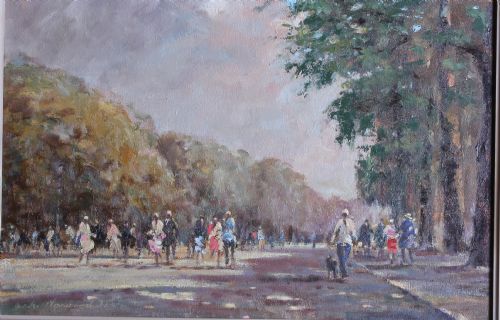
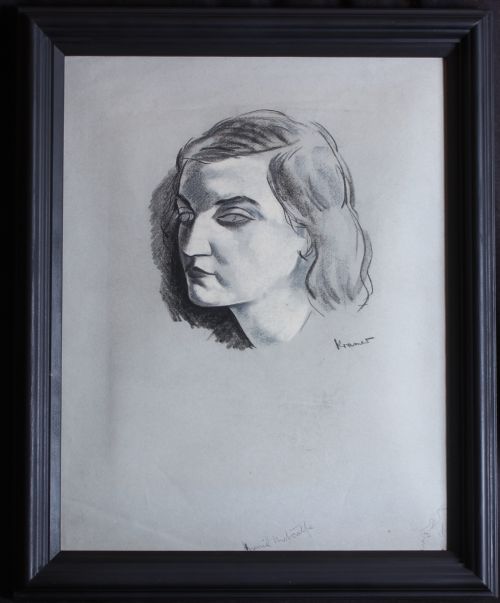
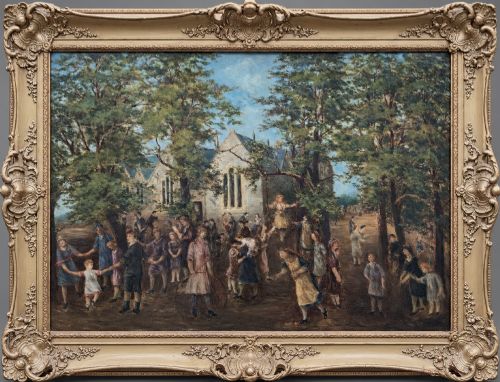
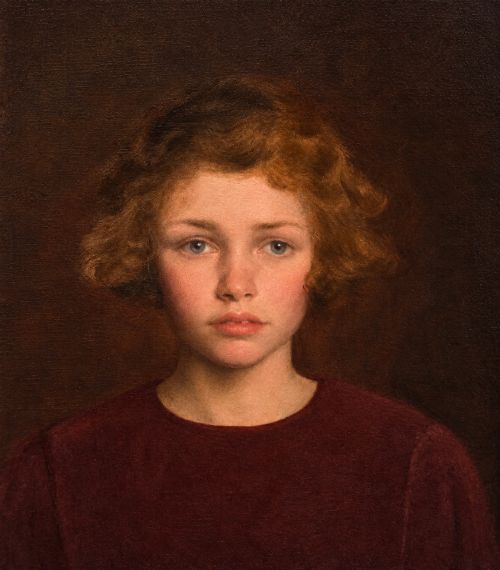
Original Figurative Art
Original figurative art captures human presence across eras, offering buyers direct connection to portraiture, narrative scenes and life studies through historic works.
Original Figurative Art
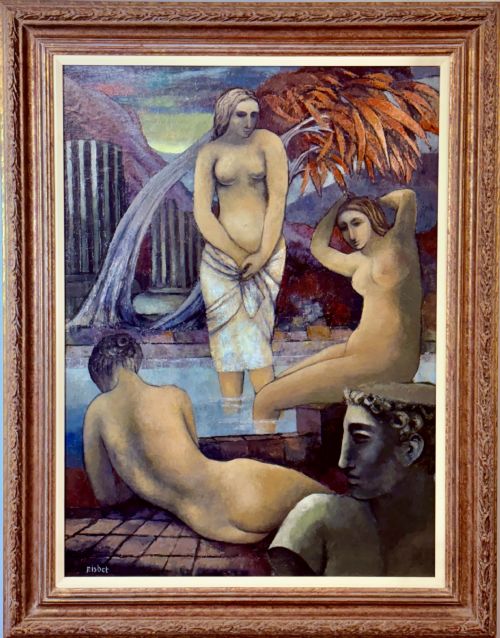
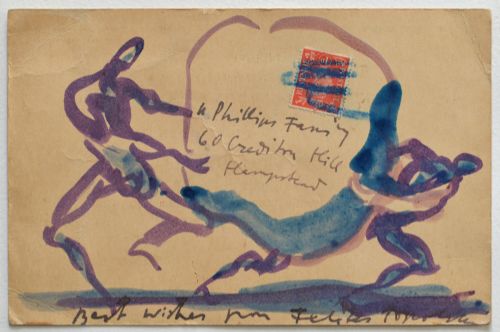
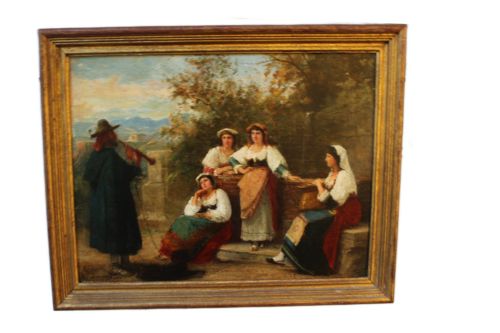
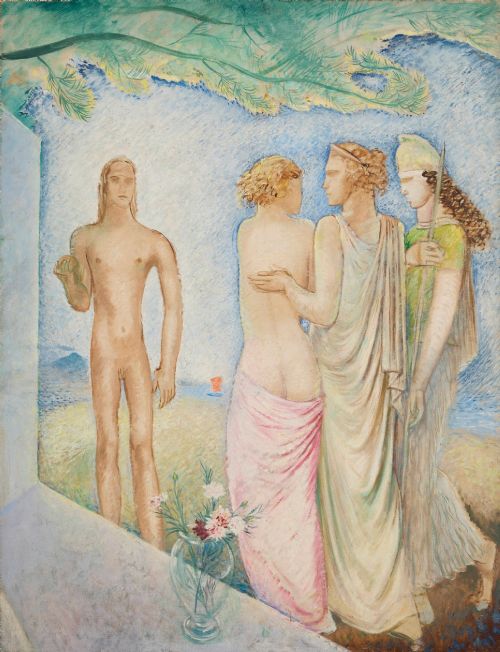
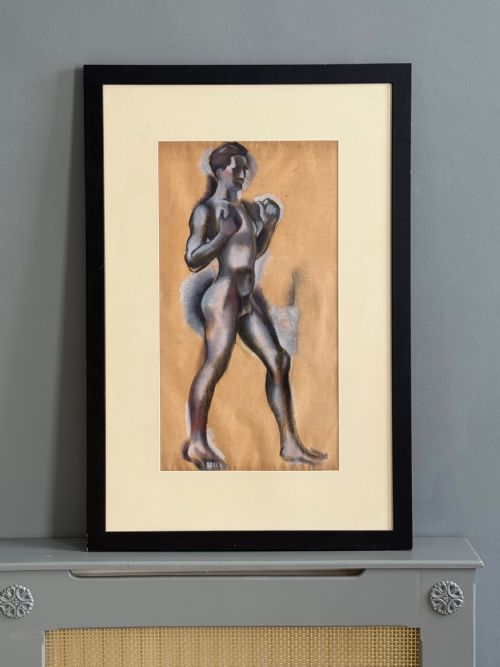
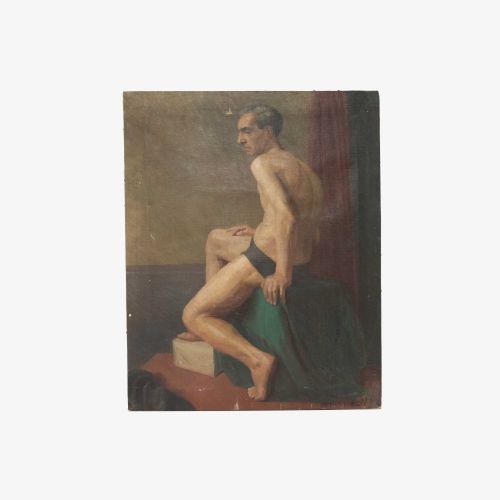
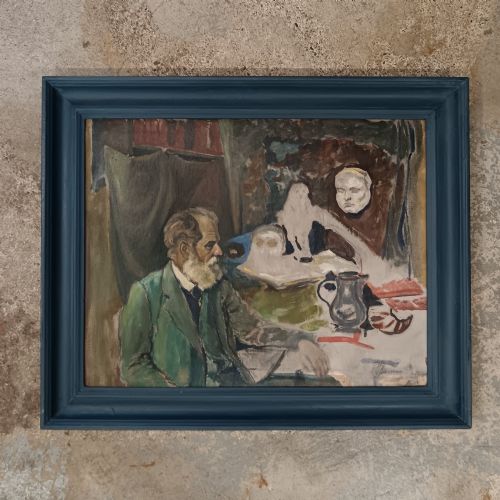
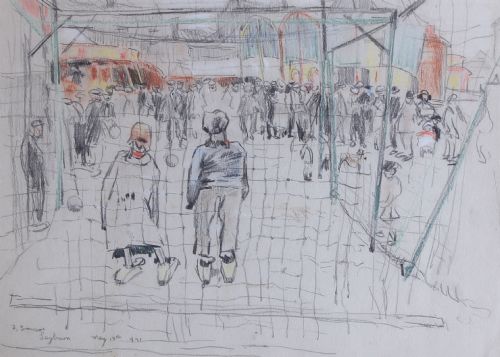
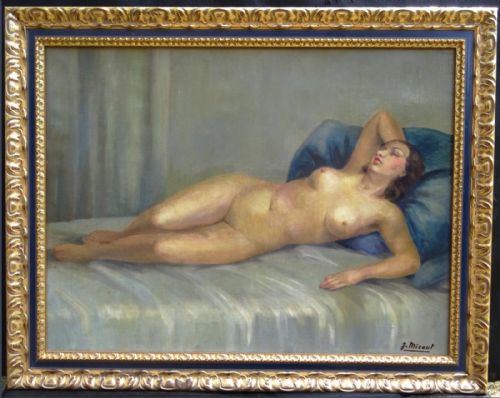
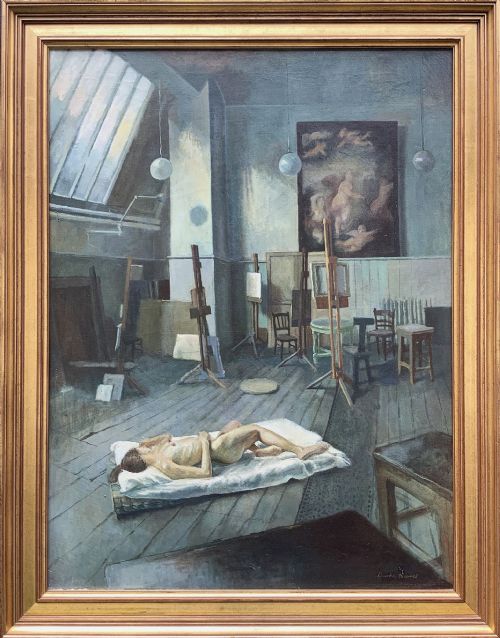
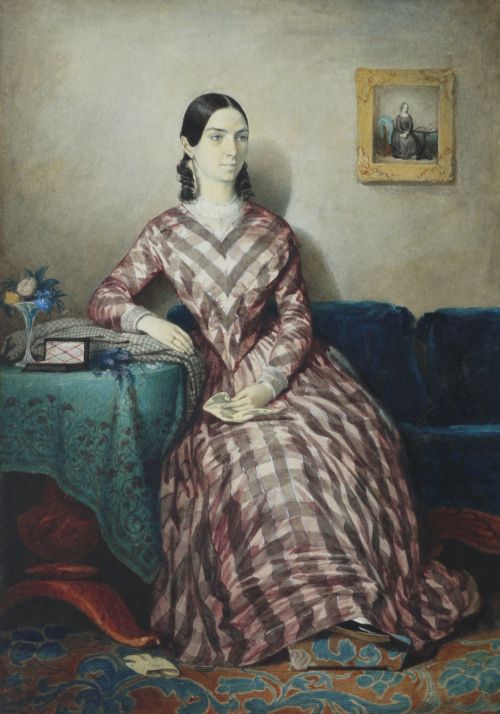
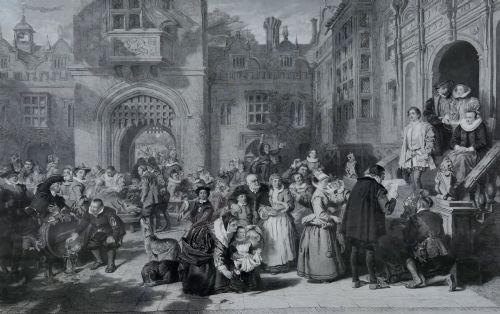
Original figurative art centres on depictions of the human form, capturing portraits, gatherings, nudes and daily life scenes. Buyers searching for original figurative art will encounter paintings, drawings and watercolours spanning several centuries.
The selections on this page range from Victorian and Edwardian works through Art Deco pieces to mid-century modern and post-impressionist creations. These depictions record historical subjects, children, dancers and introspective self-portraits.
Works appear in various formats including framed artwork, wall art and detailed canvas pieces. Each item presents a distinct window into human activity, recorded by named artists and anonymous schools alike.
Materials and methods in figurative works
Makers utilised oil paint on canvas and wood panels to build rich textures, visible brushstrokes and enduring depth in portraits and interior scenes. Oil on canvas remains a prominent medium across multiple stylistic periods.
Watercolour, ink, pastel and gouache appear frequently on paper supports, allowing artists to capture rapid gestures, preliminary life class studies and delicate facial expressions with directness.
Original Figurative Art Retail Price Guide 2026
Typical asking prices for original figurative art among the pieces listed under this phrase on Sellingantiques today, from the lower quarter to the upper quarter. They describe what is for sale here now, not the wider market.
Listings span periods from the nineteenth century through the 1960s, employing wood, canvas, paper, oil paint and ink.
Distinctions in quality and execution
Execution of the human anatomy, handling of light and the psychological depth of the subject separate standard decorative works from accomplished artistic achievements. Superior pieces demonstrate confident draughtsmanship and nuanced tonal control.
The integration of the subject within its environment, whether a country house interior, a studio or an open landscape, dictates the visual harmony of the composition.
Philip Naviasky·George F Bird·Deidre Daines·Jacob Kramer·Alessandro Cittadini·John Hassall·Josef Lorenzl·Stephen Samuel Lewin·Alfred Lyndon Grace·Adelaïde Salles-Wagner·Maurice Brianchon·Lucy Pratt·Francis Plummer·Frank Dobson·Joseph Biel·James Stroudley·Francisco Sancha·Oilver Messel·Herbert Ashwin Budd·Louis Charles Verwee·Herbert Johnson Harvey·Henry Windsor Fry·Christine Nesbit·J A Grant·Charles James McCall
The Original Figurative Art Glossary
- Figurative art
- Artwork representing human or animal forms. This category includes portraits, genre scenes and life studies.
- Genre painting
- Depictions of everyday life and ordinary people engaged in common activities. These works provide social context for their period.
- Impasto
- Paint applied thickly to a canvas, standing out from the surface. This technique creates tactile dimension in modern and impressionist works.
- Giltwood
- Wood carved and covered with gold leaf or a gold-coloured finish. It frequently frames nineteenth-century and period paintings.
- Triptych
- A picture or relief carving on three panels hinged together side by side. Artists utilise this format for thematic narrative sequences.
Original Figurative Art: Frequently Asked Questions
What is original figurative art?
Original figurative art comprises hand-produced paintings, drawings and watercolours that focus primarily on the human figure and portraiture.
These pieces capture real individuals, models and social gatherings through the distinct hand of an artist rather than mechanical reproduction.
How were these historic artworks framed?
Historic works frequently retain period framing such as original Hogarth frames or giltwood mouldings suited to their era of creation.
Frames often reflect the aesthetic preferences of the decade in which the artwork was painted.
How do I care for antique paintings?
Antique oil paintings and works on paper require stable indoor humidity away from direct sunlight to preserve pigments and canvas integrity.
Avoiding extreme temperature fluctuations protects both the painted surface and the wooden stretcher bars from warping.
How can I tell the period of a portrait?
Clothing styles, hairstyles, framing materials and painting techniques provide primary clues for dating historic portraiture.
Signatures, artist biographies and exhibition labels on the reverse of the canvas offer further confirmation of the date.