



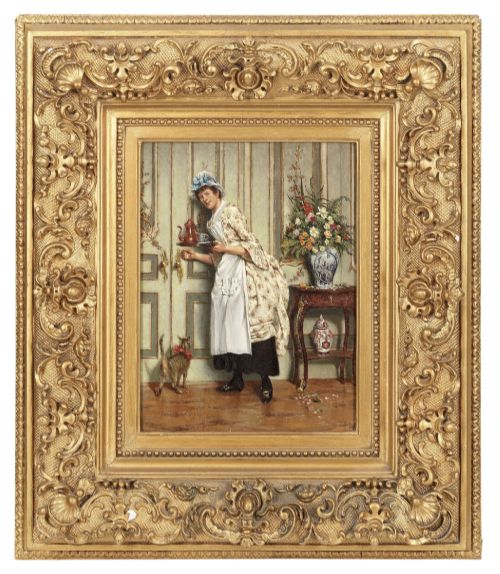
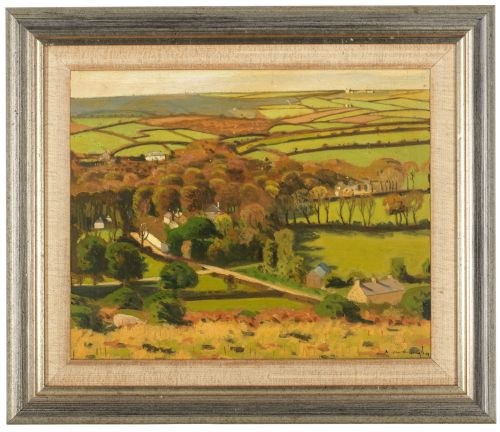
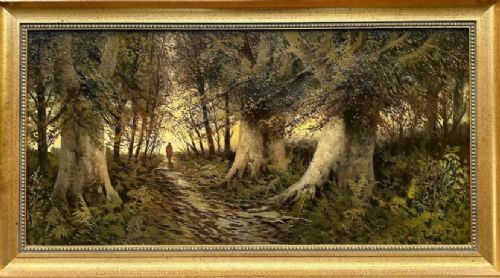
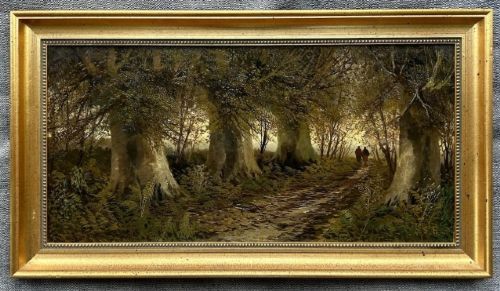
Original British Oil Canvas
Selecting an original british oil canvas brings centuries of painted landscapes, coastal views, and portraits into a room.
Original British Oil Canvas
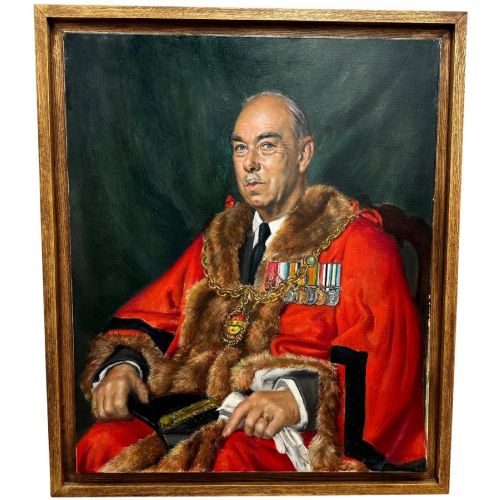
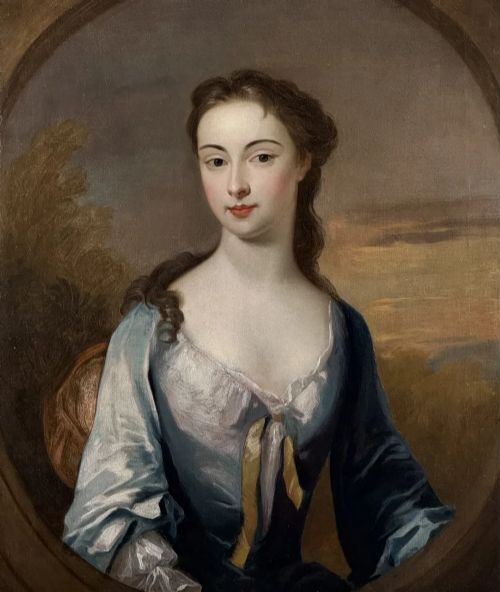
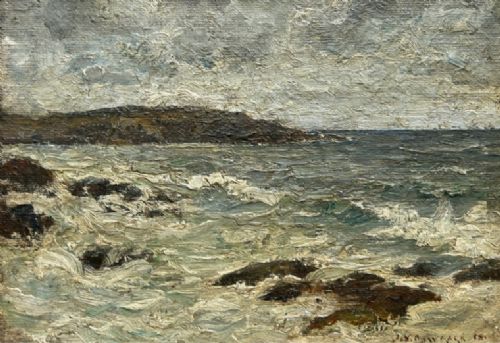
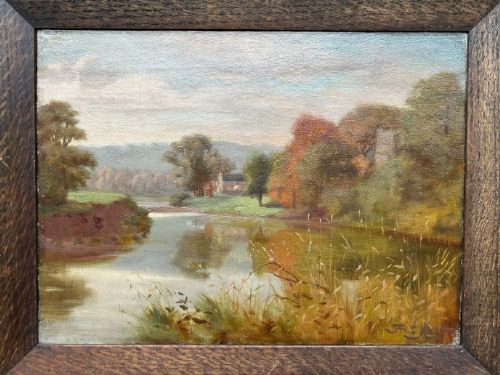
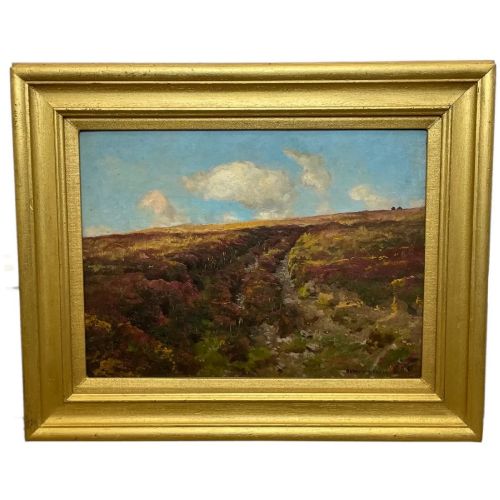
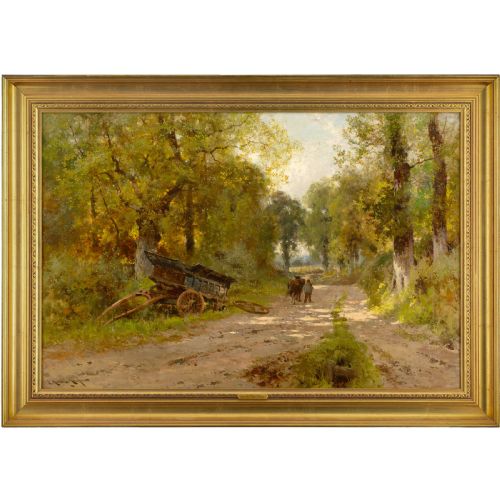
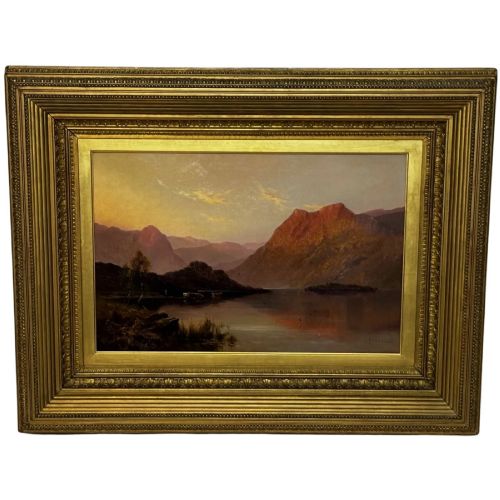
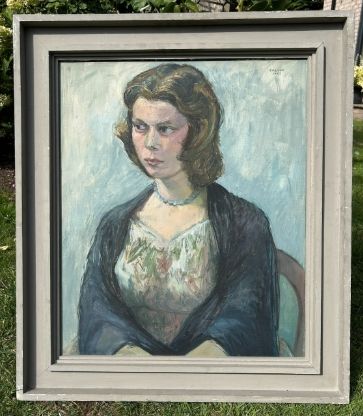
Collectors searching for an original british oil canvas encounter painted works spanning from the eighteenth century through to contemporary periods. The selection ranges from formal portraiture and coastal scenes to pastoral landscapes and pastoral farmyard views.
The works available on this page include pieces from established nineteenth-century painters alongside mid-century and contemporary artists working in similar traditional mediums. Many feature signed compositions recorded across diverse regional settings from Cornwall to Scotland.
Examples often reflect broader movements such as British Impressionism, Victorian realism, and modern interpretations of rural life. Each piece offers a tangible record of British artistic output across successive generations.
Materials and technique
Makers built these works using oil paint applied to woven textile supports, wooden panels, or canvas laid onto rigid boards. Artists utilised the slow-drying properties of oil mediums to build up dense layers, subtle glazes, and textured impasto surfaces.
Finished surfaces were frequently housed within protective wood frames, occasionally retaining historic gilt mouldings or simple stretcher supports. The interaction between pigment and canvas determined the longevity and visual depth of each composition.
The listings span multiple centuries, incorporating nineteenth-century rural scenes, early twentieth-century coastal views, and contemporary oil compositions on canvas.
Assessing quality
Quality in these works depends upon the surety of the brushwork, the handling of light and shadow, and the structural integrity of the painted surface. Superior examples demonstrate a confident command of proportion and atmospheric depth.
Condition plays a role, with well-preserved canvases showing minimal paint loss, stable grounds, and original framing elements that complement the era of the work.
Charles Jervas·John Opie·Benjamin Barker of Bath·David Bates·Arthur Wardle
The Original British Oil Canvas Glossary
- Canvas
- A heavy woven fabric stretched across a wooden frame to serve as a painting surface. It provides the primary support for the majority of traditional oil compositions.
- Impasto
- A technique where paint is laid onto a canvas in thick strokes that stand visibly out from the surface. This method adds tactile three-dimensional texture to elements like water or foliage.
- Stretcher
- The internal wooden framework that keeps a painted canvas taut. Traditional versions often feature adjustable corners to maintain proper tension over time.
- Glaze
- A thin, transparent layer of oil paint layered over a dry underpainting to alter the colour and depth. Artists use this method to create luminous shadows and rich skin tones.
- Provenance
- The documented history of ownership associated with a work of art. Clear records help establish the authenticity and background of older paintings.
Original British Oil Canvas: Frequently Asked Questions
How do I care for an oil painting?
Keep the canvas away from direct sunlight and fluctuating humidity levels to prevent the paint from cracking over time. Dust the surface gently with a soft, dry brush without applying pressure to the pigment.
Avoid using water or chemical cleaners on the paint layer. Professional conservation is recommended if the canvas requires deeper cleaning or structural repairs.
What subjects are most common?
Landscapes and coastal views form a large portion of the available works, capturing rural scenes, harbours, and pastoral life across Britain. Portraits of individuals, ranging from formal sitters to domestic figures, also appear frequently.
Still life studies, sporting scenes, and architectural views represent other recurring subjects found within the collection. Each genre reflects the prevailing artistic interests of its specific period.
How do I identify the age of a canvas?
Examination of the stretcher bars, nails, and the weave of the textile can reveal clues regarding the manufacturing date. Older canvases often exhibit darkened ground layers, craquelure, and framing methods consistent with historic periods.
Signatures, dates inscribed on the reverse, and stylistic markers provide further context. Comparing the technique to known works by the same school helps narrow down the timeframe.
Are all works signed by the artist?
Many pieces bear visible signatures or initials left by the painter, while others remain attributed to a broader school or remain anonymous. Unsigned works frequently emerge from British schools representing specific regional traditions and time periods.
Attributions are typically determined through stylistic analysis, subject matter, and historical records. An unsigned painting can still possess significant artistic merit and historical value.