
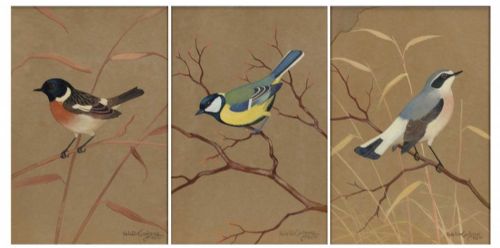


Original Bird Watercolour
An original bird watercolour captures the quick posture and feather markings of an avian subject using water-soluble pigments on paper.
Original Bird Watercolour
An original bird watercolour represents a direct painting executed by hand rather than a reproduction or print. When exploring an original bird watercolour, buyers frequently encounter works originating from the nineteenth century up through the mid-twentieth century.
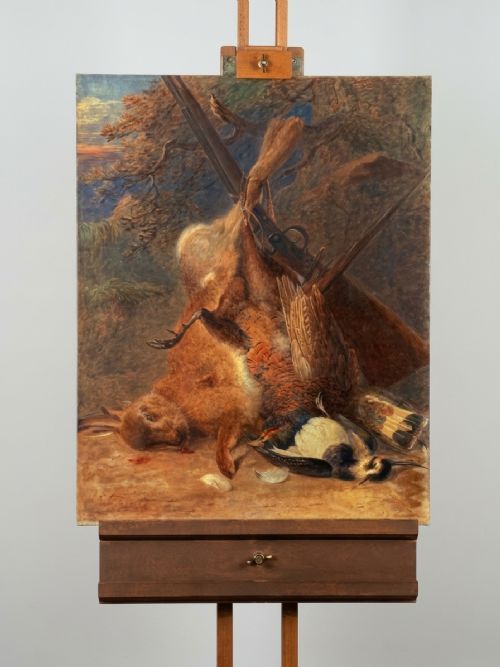
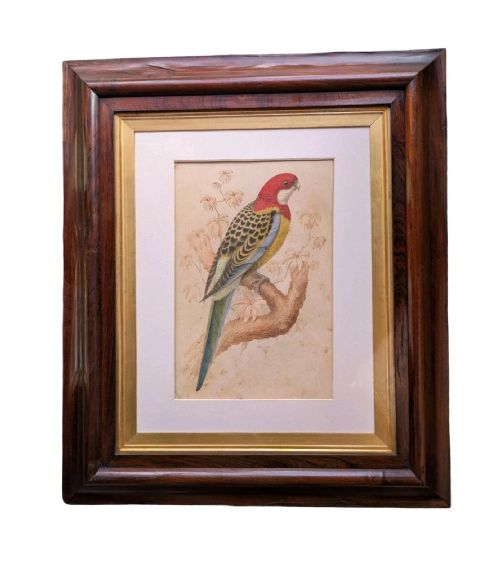
The subjects range from scientific natural history illustrations and garden birds to exotic parrots and game birds. These pieces appear in various settings, including framed artwork ready for wall display.
Makers and artists span named British and international painters, alongside traditional school works depicting feathered subjects in natural settings.
How they were made
Artists painted primarily with watercolour paint on paper surfaces, sometimes incorporating bodycolour for opacity or gold leaf highlights. Many of these works retain their period framing, utilising wood such as maple and protective glass.
Techniques combine delicate brushwork for plumage detail with washes of pigment to establish background foliage, sky, or outback landscapes.
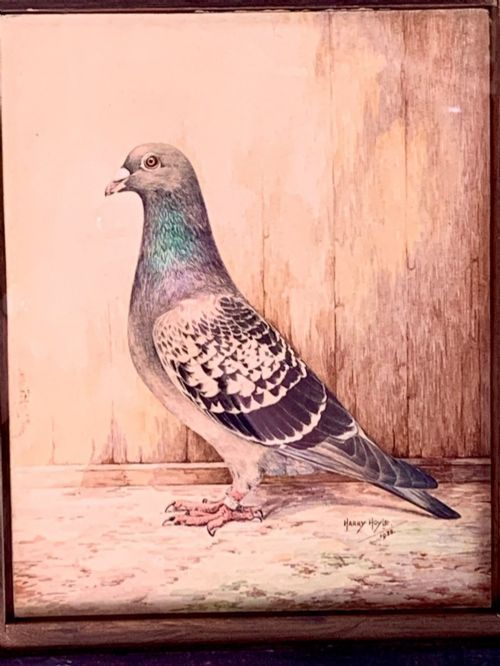
Among the feathered subjects recorded by artists are royal messenger pigeons, inquisitive cockrels, and kookaburras in the bush.
What varies in quality
The standard of an original bird watercolour rests upon the precision of the brushwork and the anatomical accuracy of the bird. Skilled artists convey feather texture, alert posture, and natural coloration with economy and confidence.
Paper preservation also dictates the overall merit of the piece. Works retaining crisp pigment tones without excessive fading or paper degradation command greater attention from collectors.
George Sydney Shepherd·Frederick Tatham·Ralston Gudgeon·Dame Elisabeth Frink·Harry Bright·William Stephen Coleman·Rowland Henry Hill·Paul-Louis Barruel·Donald Watson·Victor Noble Rainbird·William Cruikshank
The Original Bird Watercolour Glossary
- Watercolour
- A paint consisting of pigment suspended in a water-based solution. It is applied to paper to create transparent washes of colour.
- Bodycolour
- Watercolour mixed with a white pigment to make it opaque. This technique adds solid highlights and body to painted feathers or flowers.
- Natural history illustration
- Scientific or artistic depiction of animals and plants. These works combine aesthetic appeal with anatomical observation.
Original Bird Watercolour: Frequently Asked Questions
How do I care for my watercolour?
Keep the painting away from direct sunlight to prevent the watercolour pigments from fading over time. Ensure the room humidity remains stable to protect the paper support.
Display the framed artwork on an interior wall where temperature fluctuations are minimal. Glass fronting protects the delicate paper surface from dust and atmospheric pollutants.
Are these paintings signed by artists?
Many examples feature signatures or initials from the artist, while others remain attributed to specific schools or periods. Signature placement typically occurs near the lower corners of the painted composition.
Unsigned works often rely on stylistic evidence, framing, or historical provenance to indicate their origin and period of creation.
How do I date a bird watercolour?
Examine the paper type, framing materials, and artistic style to determine the likely period. Victorian and Edwardian works often utilise specific framing woods and distinct illustrative conventions.
Subject matter and costume in accompanying figures can also provide clues, alongside any gallery labels or inscriptions on the reverse of the frame.
What is natural history illustration?
Natural history illustration is a genre dedicated to recording animals, plants, and geological specimens accurately. Artists working in this tradition combine scientific observation with technical painting skill.
These pieces served both as scientific documentation and domestic decoration, capturing species with precise feather and anatomical details.