

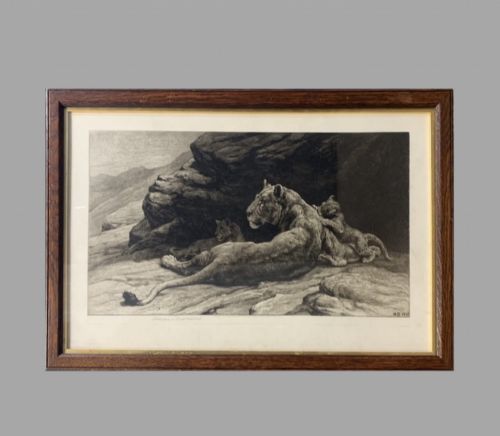
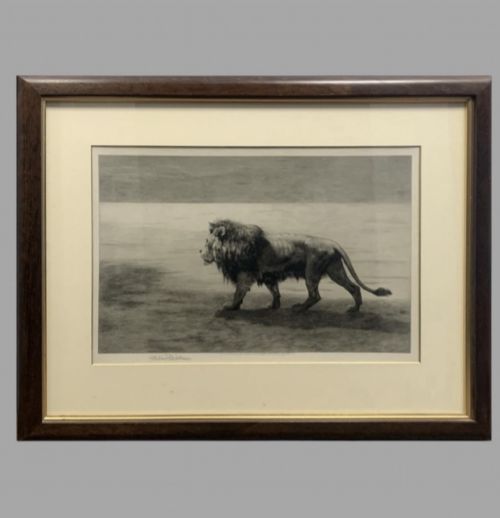


Original Animal Etching
An original animal etching captures the character of wildlife and domestic beasts through inked lines pressed into paper or vellum.
Original Animal Etching
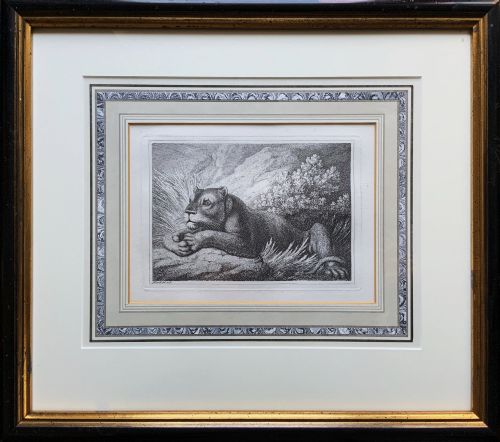
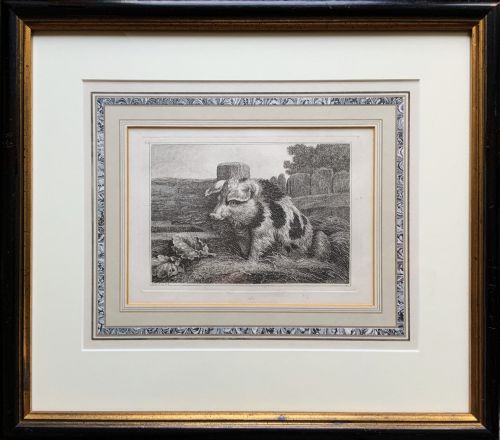
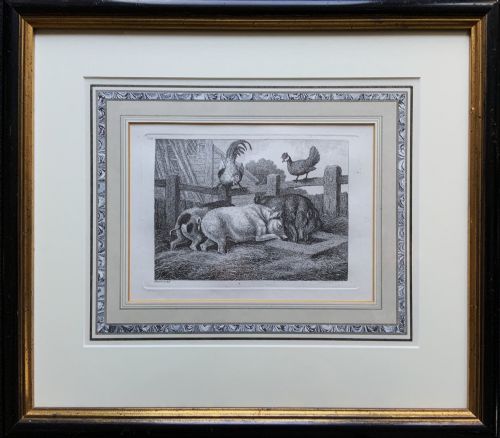
When you search for an original animal etching, you encounter printed artworks depicting subjects from lions and leopards to farmyard pigs and spaniels. These pieces span from the 18th century through the Victorian, Edwardian, and early 20th century periods.
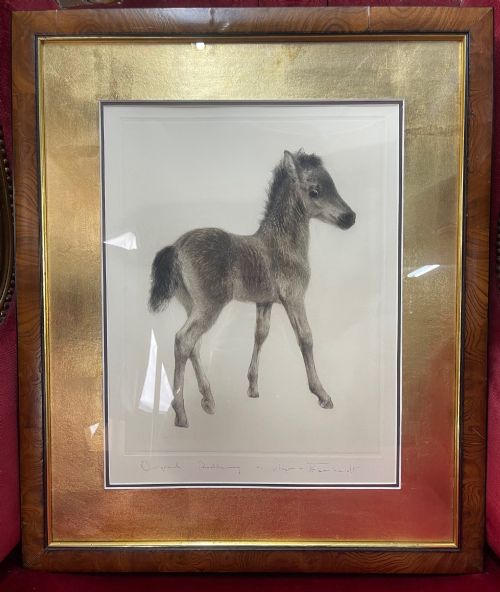
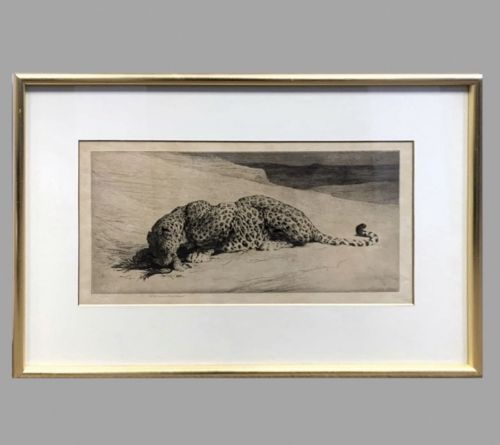
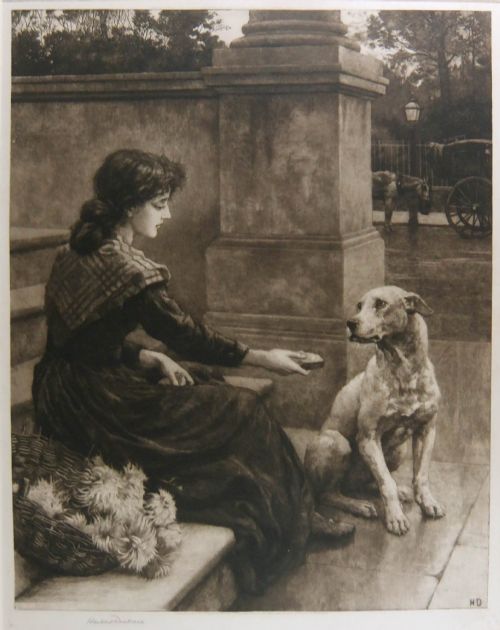
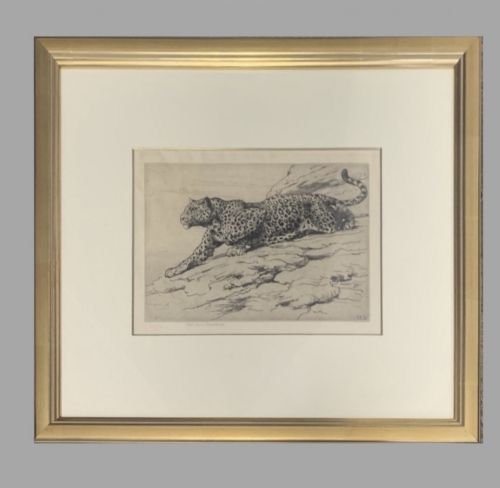
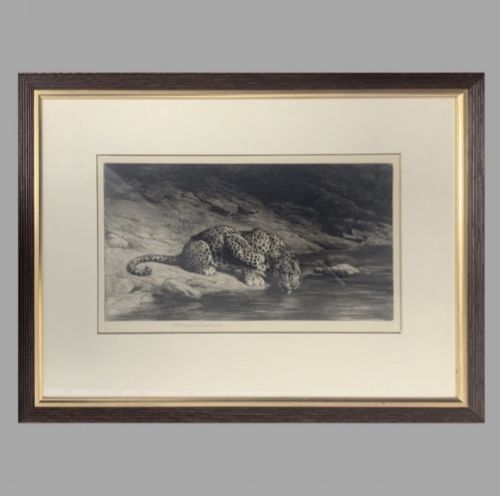
The selections on this page include framed prints, drypoint etchings, and signed artist proofs on paper and vellum. The depictions range from Samuel Howitt's 18th-century animal studies to Herbert Dicksee's early 20th-century big cats and dogs.
Materials and methods
Artists create these works by incising lines into a plate using tools or acid, then applying ink to transfer the image onto paper or vellum. Framing often involves wood, glass, and sometimes gold leaf or gilt wood accents.
Techniques include drypoint, where the needle creates a burr on the plate that yields rich, velvety lines when printed. Signed artist proofs represent limited editions pulled directly under the artist's supervision.
Original Animal Etching Retail Price Guide 2026
Typical asking prices for original animal etching among the pieces listed under this phrase on Sellingantiques today, from the lower quarter to the upper quarter. They describe what is for sale here now, not the wider market.
Several prints record the intense gazes of leopards sharing space with jungle fowl.
Markers of quality
Quality rests in the clarity of the printed line and the richness of the ink impression against the paper or vellum surface. Stronger impressions retain the delicate details of fur, expression, and background texture.
The presence of a pencil signature by the artist and the status of the work as a limited artist proof elevate the standing of the piece. Conservation of the original paper, vellum, and framing materials also influences the overall standard.
Samuel Howitt·Kurt Meyer Eberhardt·Herbert Dicksee
The Original Animal Etching Glossary
- Drypoint
- A printmaking process where the artist scratches directly onto the metal plate with a sharp needle. This method produces soft, rich lines due to the burr raised on the metal.
- Vellum
- A fine parchment made from prepared calfskin. It provides a smooth, durable surface that holds fine ink details exceptionally well.
- Artist proof
- A trial proof pulled outside the regular edition for the artist's own use. Signed examples indicate the creator approved the final printed impression.
- Etching
- A technique where acid bites lines into a metal plate to hold ink. The plate is then wiped and pressed onto paper under heavy pressure.
Original Animal Etching: Frequently Asked Questions
What is an original animal etching?
An original animal etching is a print pulled from a metal plate that was engraved or acid-bitten by the artist's own hand. The resulting image shows distinct ink impressions on paper or vellum.
These works portray subjects ranging from lions and leopards to bulldogs and farmyard pigs. Each piece represents a direct print from the historical period of its creation.
How do I care for an etching on vellum?
Vellum reacts to changes in humidity by expanding and contracting. Keep these pieces away from direct sunlight and damp environments to protect the skin surface.
Ensure the framing remains sealed and stable to prevent environmental damage to the delicate ink and support.
What distinguishes an artist proof?
An artist proof is a special impression set aside for the creator during the printing process. These proofs often carry pencil signatures and marginal notations.
Collectors prize artist proofs because they typically show exceptional clarity and direct association with the printmaker.
How can I tell the period of the print?
Dating relies on the recorded dates of the artist, the style of the framing, and the characteristics of the paper or vellum support. Works from the eighteenth century show different plate marks and paper stocks compared to twentieth-century drypoints.
Signatures and publication details inscribed on the margin also provide clear historical markers for dating the artwork.