



Orientalist Watercolour Art
Orientalist watercolour art captures distant lands and bustling street scenes through the fluid application of pigment on paper.
Orientalist Watercolour Art
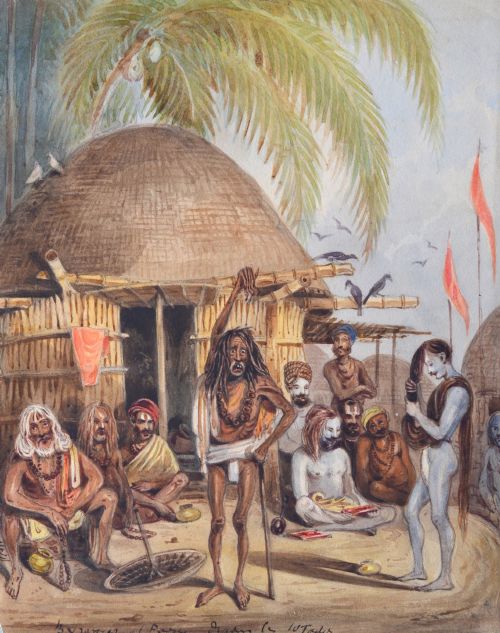
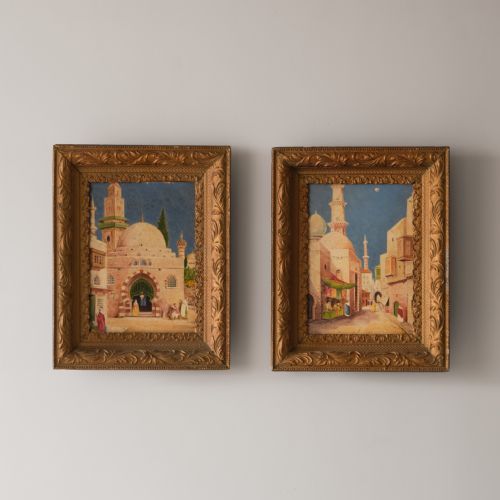
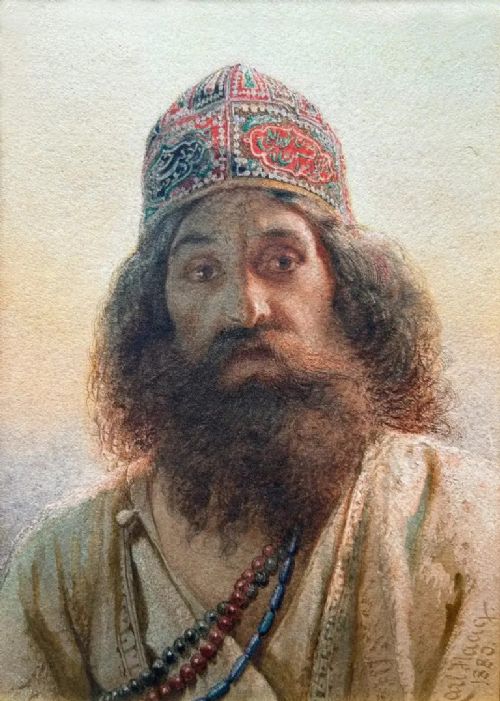
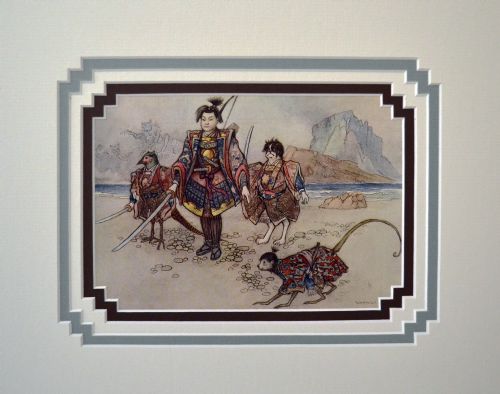
Orientalist watercolour art encompasses framed paintings, art prints, and delicate works on paper portraying subjects from Cairo to Baghdad, the Suez Canal, and the Vale of Cashmere. These pieces range from naive depictions and intricate Japanese fairy tale prints to French and American traditions recording Egyptian landscapes, temples, and Bedouin tribesmen.
Buyers frequently encounter Victorian and early twentieth-century examples, spanning from eighteen hundred through to nineteen fifty. Works appear as single sheets, pairs of Arabic seascapes, or detailed watercolours on board and card, often retained within their original ebonised or gilt wood frames.
How they were made
Artists painted primarily upon paper, card, and board, utilising watercolour and gouache to build translucent washes and opaque highlights. The combination of water-based pigments allows for fine detail in architectural facades and broad atmospheric effects in desert skies and river tributaries.
Finished works received protection beneath glass within wood, gilt wood, and ebonised frames. Surviving examples demonstrate careful mounting alongside early twentieth-century print techniques for published fairy tale illustrations.
Orientalist Watercolour Art Retail Price Guide 2026
Typical asking prices for orientalist watercolour art among the pieces listed under this phrase on Sellingantiques today, from the lower quarter to the upper quarter. They describe what is for sale here now, not the wider market.
The selection includes gouache and watercolour paintings alongside illustrated book plates and architectural design watercolours.
What varies in quality
Quality rests upon the handling of light and pigment, distinguishing competent washes and precise draftsmanship from simpler naive renderings. The strength of composition in landscapes and figural studies defines the artistic merit of each painting.
The preservation of the paper support, along with the retention of original framing materials such as ebonised or gilt wood, distinguishes superior examples. Signed works or those attributed to documented artists carry distinct historical weight compared to anonymous output.
Carl Haag·Warwick Goble·Edwin Lord Weeks·Charles Bellay·Anne Dorrien Smith
The Orientalist Watercolour Art Glossary
- Watercolour
- A paint consisting of a pigment suspended in a water-soluble vehicle. It provides transparent washes that allow the white of the paper to illuminate the pigment.
- Gouache
- An opaque water-based paint made from pigment mixed with water and a binder such as glue. It adds solid highlights and dense colour passages alongside translucent watercolour.
- Orientalism
- An artistic movement depicting subjects from the Middle East, North Africa, and Asia. Artists recorded architecture, landscapes, and daily life observed during travels abroad.
- Ebonised
- Wood finished to resemble ebony through staining or painting dark black. It provides a stark, formal border frequently utilised for framing works on paper.
- Gouache
- A method involving opaque water-based pigments. It differs from watercolour through its reflective, matte finish.
Orientalist Watercolour Art: Frequently Asked Questions
What subjects do these watercolours show?
These works depict Middle Eastern scenes, Egyptian landscapes, Nile villages, and distant temples. Subjects range from Bedouin tribesmen and camel caravans to bustling street scenes in Cairo and Baghdad.
Artists also recorded military vistas, coastal views, and illustrative fairy tales from overseas traditions. Each piece reflects the specific travel routes and interests of the nineteenth and twentieth-century painters who created them.
How should I frame and display them?
Watercolours require careful placement away from direct sunlight to prevent the pigments and paper support from fading over time. Many pieces survive in their period wooden or ebonised frames, which should be preserved where possible.
Ensure that framing uses acid-free mounts and protective glass to keep the delicate paper surface safe from atmospheric moisture and physical damage.
Are these works signed by the artists?
Some pieces bear artist signatures, initials, or contemporary attributions written directly onto the sheet or mount. Others remain anonymous or naive in origin, reflecting amateur travel diaries rather than professional studio production.
Signatures provide valuable context for dating the piece and linking the artwork to documented nineteenth and twentieth-century practitioners.
How do I identify the period of a piece?
Dating relies upon the style of dress in figural scenes, the architectural details of depicted buildings, and the framing materials used. Victorian and Edwardian works often display specific mounting styles and paper watermarks.
Inscribed dates on the reverse or within the title provide direct evidence of when the watercolour was executed.