



Orientalist Decorative Figures
These orientalist decorative figures capture the nineteenth and early twentieth century fascination with distant lands through detailed porcelain, bronze, and spelter craftsmanship.
Orientalist Decorative Figures
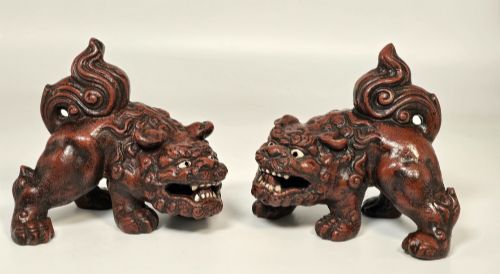
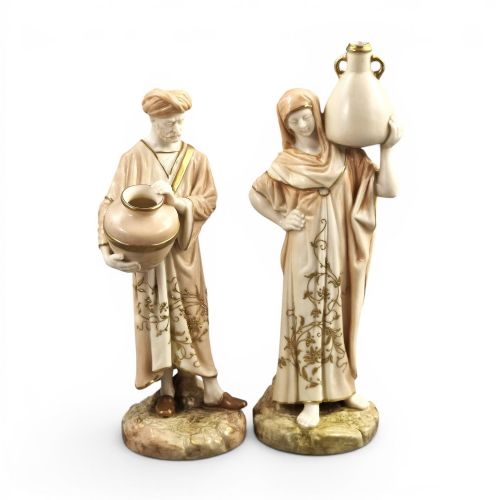
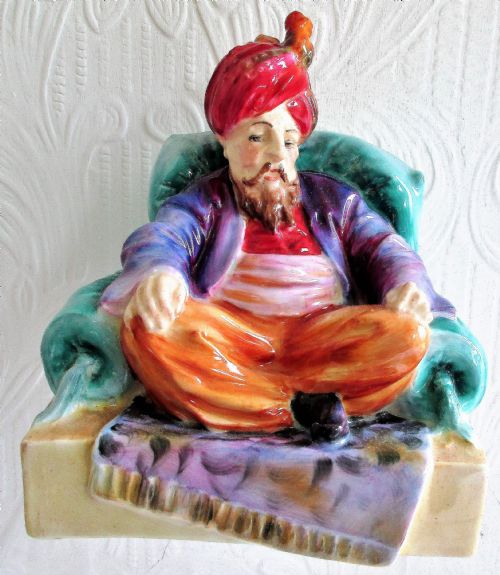
Orientalist decorative figures encompass a diverse range of sculptures, figurines, and candlesticks produced during the Victorian, Edwardian, and Art Deco periods. These works depict water carriers, musicians, and historical monarchs from Eastern and African traditions.
The pieces on this page lean heavily towards late nineteenth century porcelain factories and continental metalwork foundries. You will frequently encounter glazed earthenware, painted spelter, and cast iron interpretations of exotic subjects.
Materials and Manufacturing Techniques
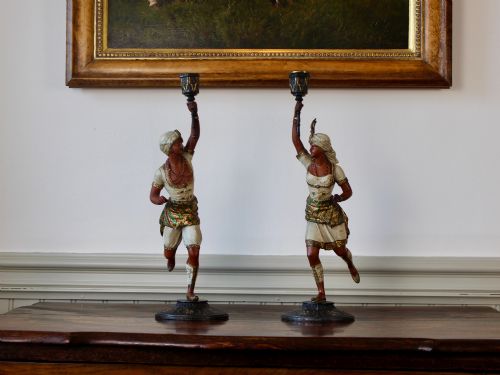
Makers utilised a combination of cast metals, particularly spelter and bronze, finished with cold painting, enamel, and gold leaf. These metallic pieces often served as figural lamps or candlesticks.
Orientalist Decorative Figures Retail Price Guide 2026
Typical asking prices for orientalist decorative figures among the pieces listed under this phrase on Sellingantiques today, from the lower quarter to the upper quarter. They describe what is for sale here now, not the wider market.
Some nineteenth century water carriers still secretly hold water inside their tiny painted ceramic vessels.
Distinguishing Quality and Execution
Quality rests in the crispness of the casting and the finesse of the hand painting. Superior porcelain examples display delicate facial expressions and precise polychrome details without heavy, muddy glazes.
Metal sculptures and spelter figures differ in the depth of their chasing and the preservation of their original cold painted surfaces. Workshop attribution also influences desirability among collectors of period decorative arts.
Royal Worcester·Royal Doulton·Royal Dux·James Hadley·Pierre Jules Mène
The Orientalist Decorative Figures Glossary
- Spelter
- A zinc alloy commonly utilised as a less expensive alternative to bronze for nineteenth century figures. It accepts patination and cold painting well.
- Blush ivory
- A matte cream porcelain ground developed by English factories, frequently tinted with peach and blue tones and highlighted with gilding.
- Cold painted
- A technique where enamel or oil paint is applied to metal after casting, rather than being fired at high temperatures in a kiln.
- Chinoiserie
- European artistic style reflecting Chinese and East Asian artistic traditions, often reinterpreted through eighteenth and nineteenth century sensibilities.
- Polychrome
- The practice of decorating sculptural works in multiple distinct colours to emphasise costume, flesh, and ornamentation.
Orientalist Decorative Figures: Frequently Asked Questions
How do I date orientalist figures?
Dating relies on factory marks, registration numbers, and stylistic cues inherent to periods like the Victorian era or Art Deco.
Examining the base and the specific type of glaze or metal patination helps narrow down the decade of production.
What is spelter?
Spelter is a zinc-based alloy frequently cast into decorative figures and candlesticks during the nineteenth century.
It allowed manufacturers to produce detailed sculptures at a lower cost than solid bronze.
Where were these figures displayed?
These pieces sat upon mantelpieces, side tables, and desks within period drawing rooms and libraries.
Larger examples functioned as figural floor lamps or sculptural centrepieces.
How should I clean porcelain figures?
Dust porcelain gently with a soft, dry brush to prevent accumulation in crevices and painted details.
Avoid water or liquid cleaners, especially on pieces with cold painted surfaces or delicate gilding.