





Oriental Wool Area Carpet
An oriental wool area carpet brings enduring pattern and rich dye work into a room.
Oriental Wool Area Carpet
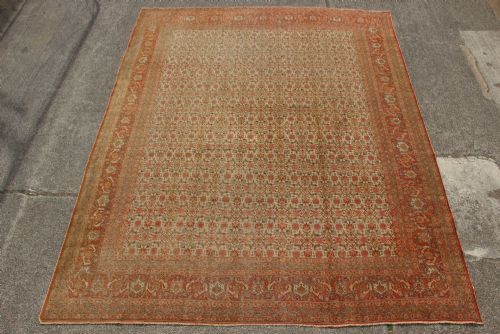
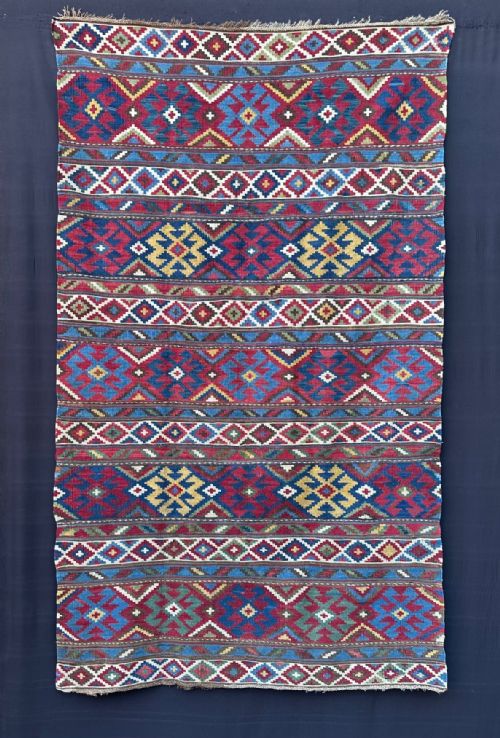
An oriental wool area carpet spans diverse regional traditions, from Persian city pieces to Caucasian and Turkmen tribal weaves. These floor coverings arrive in various formats, including runners, hearth sizes, and large salon dimensions.
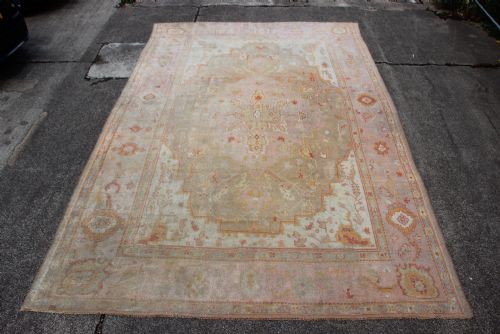
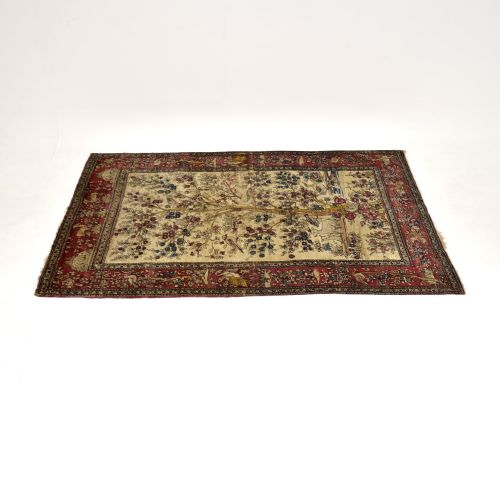
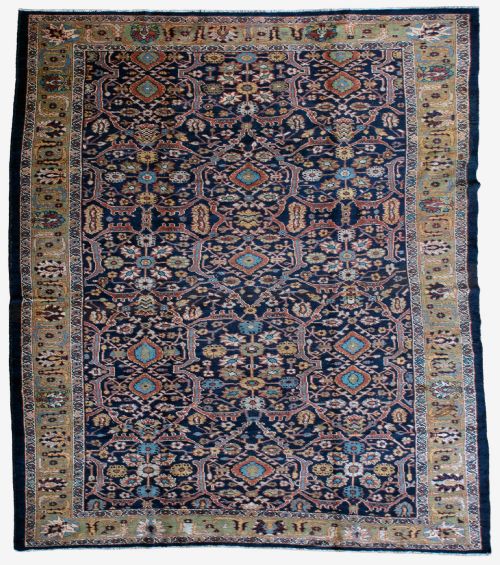
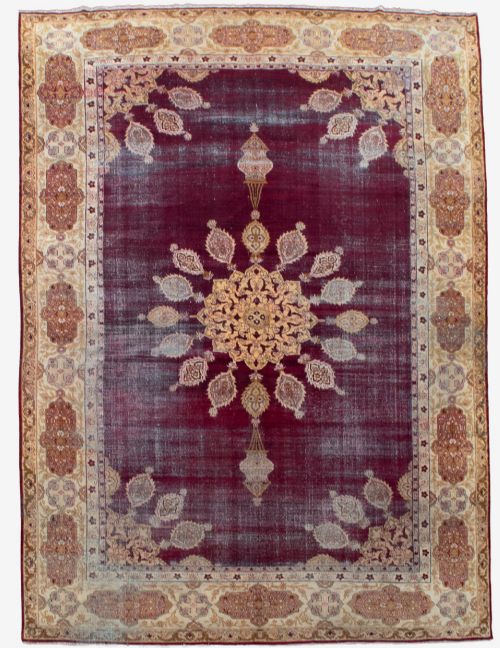
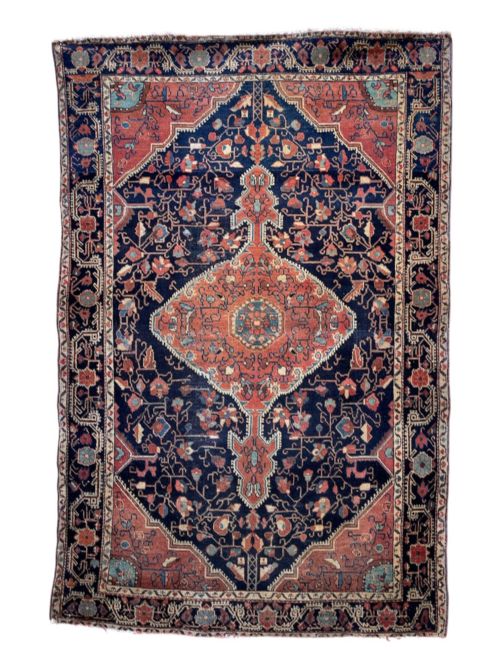
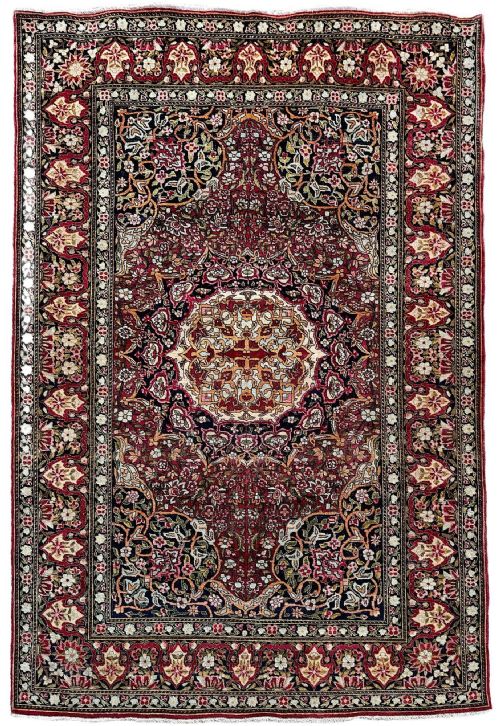
The version most commonly met on this page is the room-sized Persian or Caucasian carpet originating from the late nineteenth or early twentieth century. These examples present traditional motifs woven by village and tribal makers.
The selection ranges from detailed floral room carpets to geometric prayer rugs featuring mihrab niches. Each piece reflects the specific weaving conventions of its geographic origin.
Materials and Construction
These carpets utilise natural materials, employing hand-spun wool for durability alongside cotton foundations and occasional silk highlights. Natural dyes provide the underlying palette, creating mellow tones that age gracefully over decades.
Weavers knot the pile by hand onto warp and weft threads, constructing dense surfaces designed for heavy domestic use. Tribal and village workshops apply time-honoured techniques passed down through generations.
Listings span the nineteenth and early twentieth centuries, featuring wool, cotton, silk, and natural dyes across Persian, Caucasian, Turkmen, and Tibetan styles.
Assessing Quality
Quality rests in the precision of the knotting and the complexity of the design rendered by the weaver. Finer knot density allows for sharper definition in intricate medallions and borders.
The depth and character of the natural dyes separate standard utility pieces from exceptional artistic examples. Subtle variations in colour tone across the wool pile indicate skilled dyeing practices.
The Oriental Wool Area Carpet Glossary
- Mihrab
- A niche design on a prayer rug indicating the direction of prayer. This architectural motif often frames the central field of village weaves.
- Kilim
- A flat-woven carpet or rug produced without a pile. These pieces utilise interlocking weft techniques to create sharp geometric patterns.
- Medallion
- A large central ornamental design motif placed in the middle of the carpet field. Persian carpets frequently feature complex multi-layered medallions.
- Runner
- A long, narrow carpet format suited for hallways and corridors. These pieces display repeating border patterns and elongated central fields.
Oriental Wool Area Carpet: Frequently Asked Questions
How do I clean an antique wool carpet?
Professional gentle dusting and specialist washing preserve the natural lanolin in the wool. Avoid harsh chemical treatments that strip the fibres.
Regular light vacuuming without a rotating beather bar prevents dirt accumulation in the base of the pile.
Where were these carpets originally woven?
Production centres span Persia, the Caucasus, Turkmenistan, Turkey, and Tibet. Each region developed distinct palettes and geometric or floral repertoires.
Village workshops and nomadic tribes contributed heavily to the surviving pieces seen today.
Can I place a carpet in a hallway?
Long runner formats fit naturally into corridors and narrow entrance spaces. High-traffic areas benefit from durable wool pile construction.
Underlay placement prevents slipping and reduces friction against hard flooring surfaces.
How do I identify a prayer rug?
Prayer rugs feature a distinct pointed arch or mihrab design at one end of the field. This architectural motif points the worshipper during daily devotions.
Compact sizes allowed these textiles to be easily rolled and transported.