

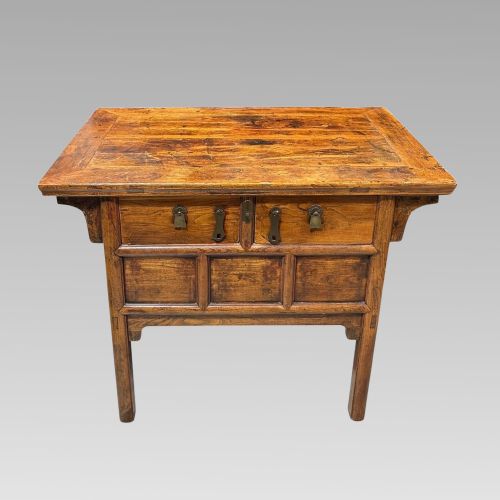
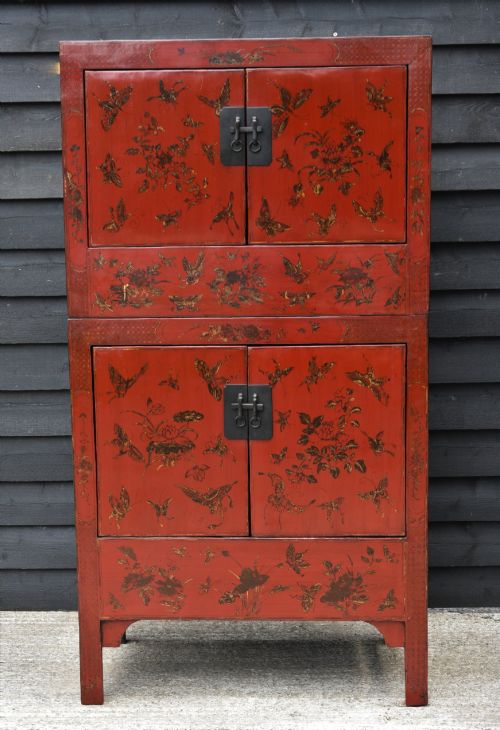
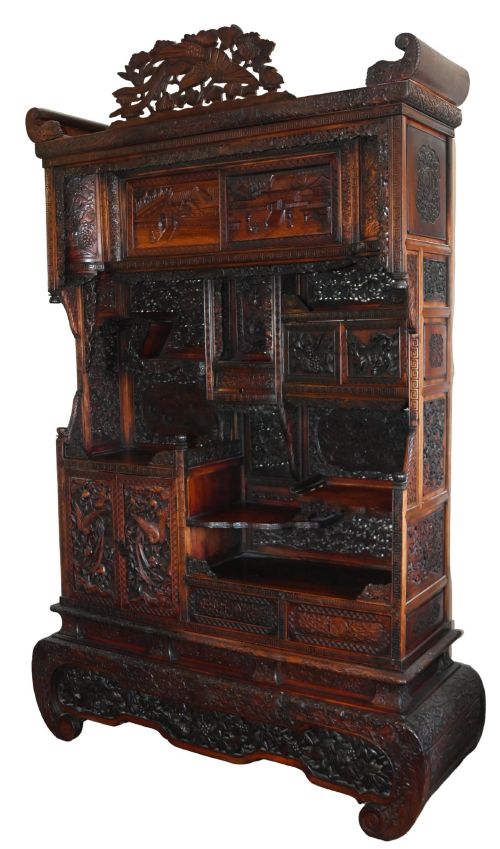
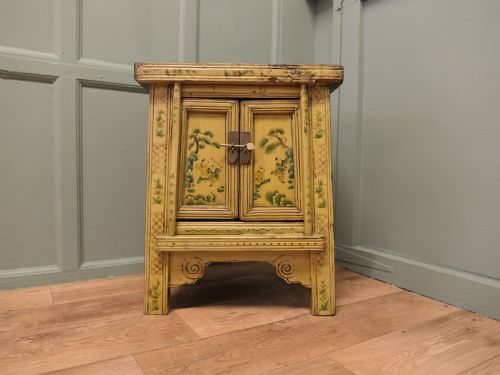



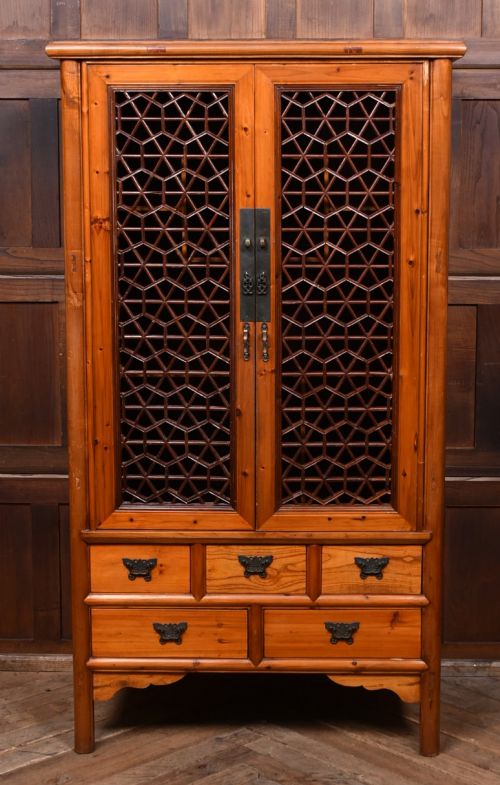


Oriental Wooden Cabinet
An oriental wooden cabinet brings distinct regional character to a room, offering practical storage through traditional craftsmanship.
Oriental Wooden Cabinet
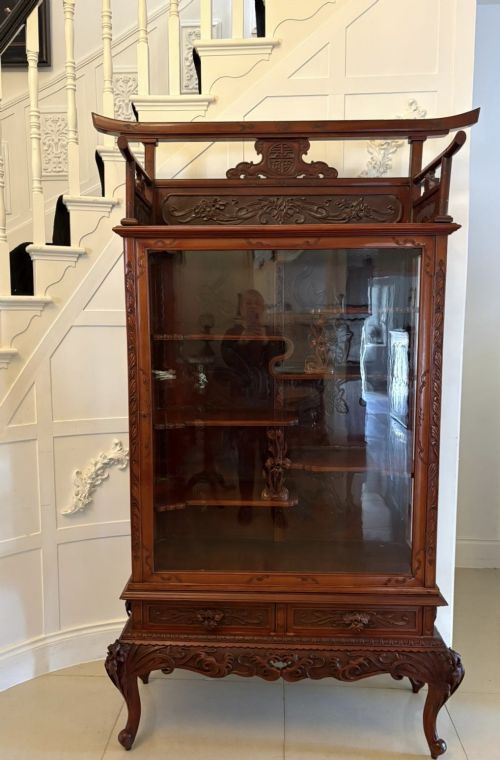
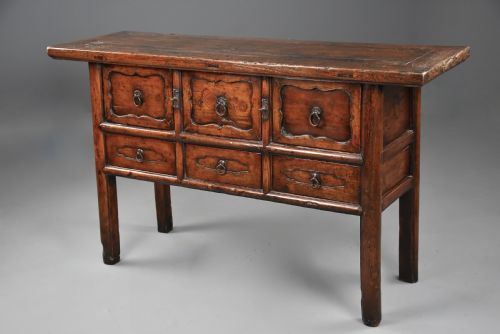
An oriental wooden cabinet encompasses storage pieces originating from various Asian regions, including Chinese, Japanese, and Korean workshops. Buyers searching for an oriental wooden cabinet encounter diverse forms ranging from large marriage cupboards to compact table cabinets.
The pieces span periods from the eighteenth century through the early twentieth century, showing regional styles such as Qing Dynasty, Japanese Meiji, and Korean Joseon. Elm, cedar, and lacquered wood appear frequently among the listings on this page.
Side cabinets, tansu chests, and display cabinets represent the primary configurations available to collectors. Each form serves specific domestic functions, from kitchen storage to ceremonial display.
Materials and construction
Cabinet makers utilised local timbers such as elm, cedar, camphor wood, and dense hardwoods like padauk. These woods provide the structural stability required for large storage chests and delicate display cabinets.
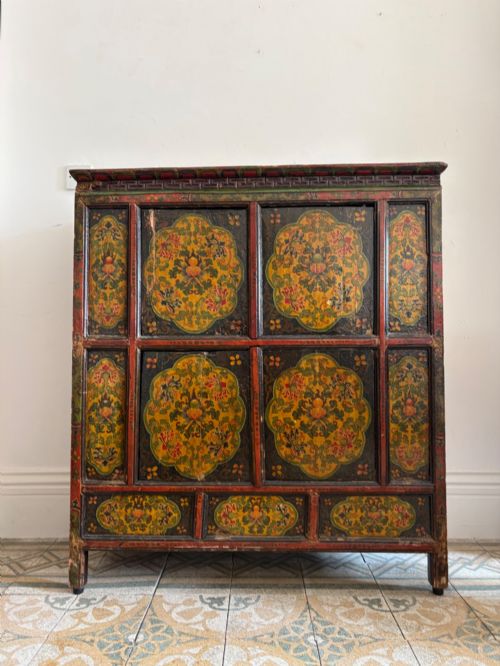
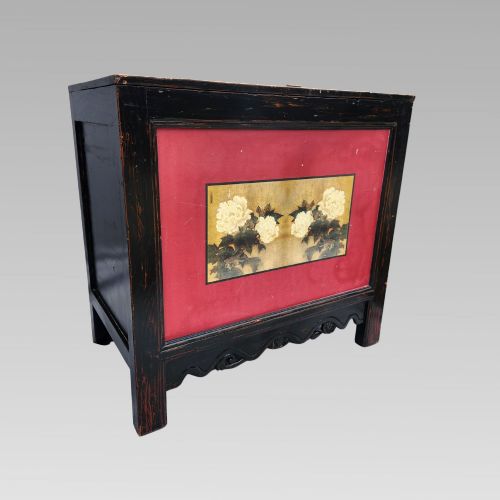
Surface decoration frequently involves layers of red or black lacquer, hand painting with floral motifs, and carving. Brass and iron hardware, including strap hinges and decorative lock plates, reinforce corners and secure doors.
Oriental Wooden Cabinet Retail Price Guide 2026
Typical asking prices for oriental wooden cabinet among the pieces listed under this phrase on Sellingantiques today, from the lower quarter to the upper quarter. They describe what is for sale here now, not the wider market.
Listings feature woods such as elm, cedar, camphor wood, and padauk alongside brass and iron hardware.
Distinguishing quality
The standard of execution in carving, lacquer work, and metal fittings dictates the grade of a piece. Finer examples display meticulous joinery and well-preserved original surface finishes without excessive restoration.
Proportion and the balance of hardware relative to the timber body separate standard utility items from masterwork pieces. Original hardware and undisturbed patination elevate the standing of an oriental wooden cabinet.
Gabriel Viardot
The Oriental Wooden Cabinet Glossary
- Tansu
- A traditional Japanese mobile storage chest built for various domestic tasks like storing clothing or kitchen utensils. These pieces often feature multiple drawers and sliding panels.
- Chinoiserie
- European artistic interpretation of Chinese and East Asian decorative styles, popular in furniture decoration. This style employs motifs of landscapes and figures rendered in lacquer or paint.
- Lacquer
- A durable natural varnish applied in multiple layers to wood and polished to a hard finish. It protects the timber while providing a smooth canvas for pigment and gilding.
- Hongmu
- A category of dense, heavy Chinese hardwoods prized for furniture making. The term translates to red wood and encompasses several distinct timber species.
- Padauk
- A heavy tropical hardwood valued for its rich reddish colour and strength. Cabinet makers utilise it for substantial sideboards and storage pieces.
Oriental Wooden Cabinet: Frequently Asked Questions
What is a tansu chest?
A tansu is a traditional Japanese mobile storage cabinet designed for domestic utility. These pieces incorporate drawers and compartments tailored for specific household items.
Craftsmen built them using timbers such as cedar and kiri wood, often fitted with robust iron hardware for security and transport.
How do I care for lacquered wood?
Lacquered surfaces require protection from direct sunlight and extreme humidity fluctuations to prevent cracking. Dust them gently with a soft, dry cloth without chemical polishes.
Maintaining stable environmental conditions preserves the integrity of the original finish and underlying timber.
What are wedding cabinets?
Chinese wedding cabinets served as traditional functional gifts for newly married couples, providing space for clothing and valuables. They typically feature two large doors and interior shelving.
Many examples exhibit red lacquer and gilt decoration symbolising prosperity and good fortune.
How do I identify Chinese elm?
Chinese elm displays a prominent grain pattern with distinct growth rings and a warm natural tone. Makers valued it for its strength and flexibility in domestic furniture.
Over time, old elm develops a deep patina that highlights the character of the wood.