

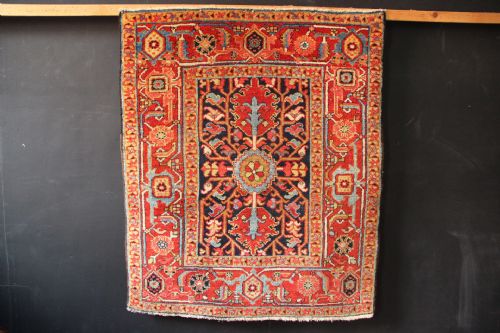
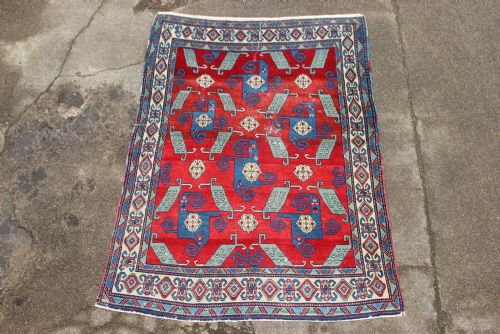
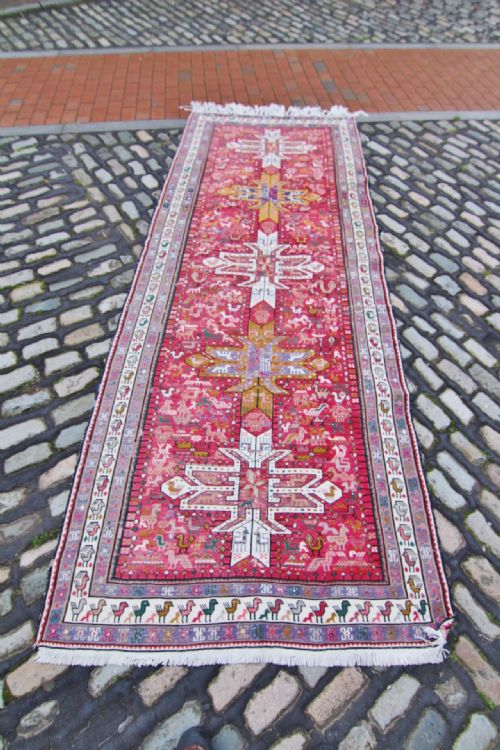
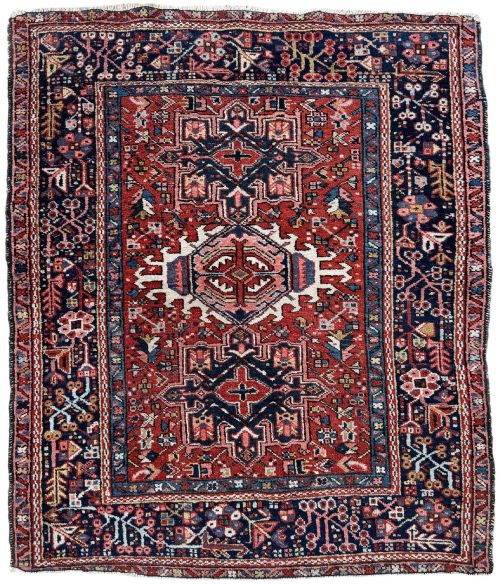




Oriental Village Rug
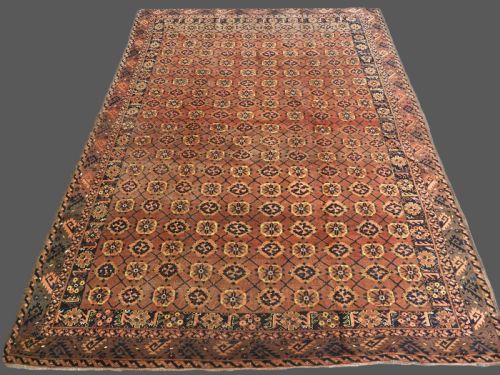
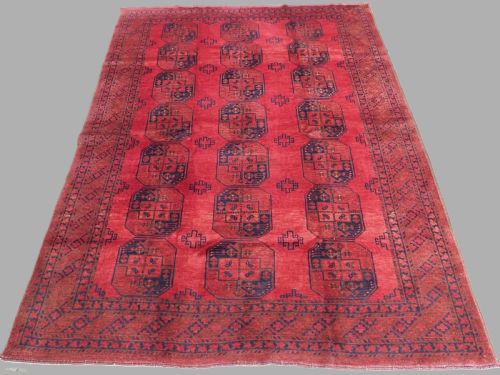
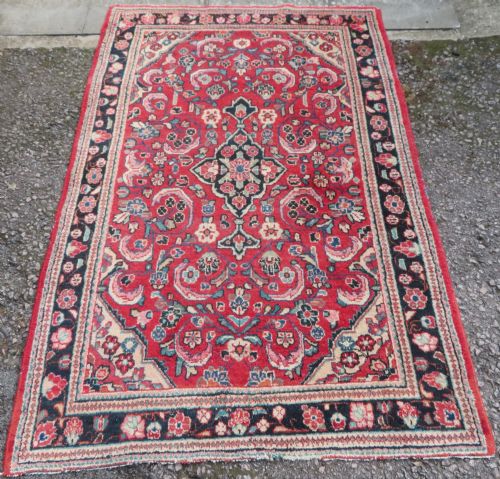
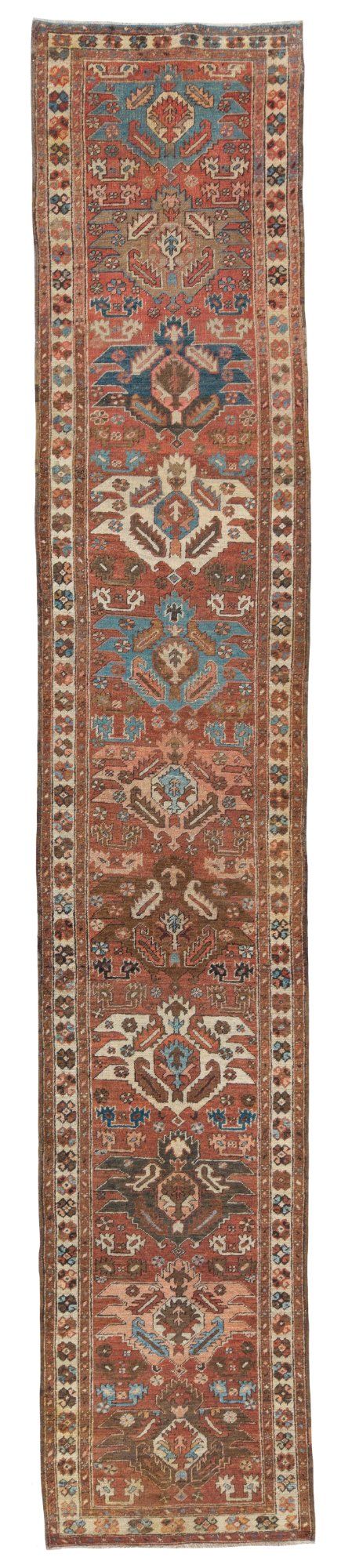
An oriental village rug brings the weathered geometry and rich vegetal tones of tribal weaving straight to the floor.
Oriental Village Rug
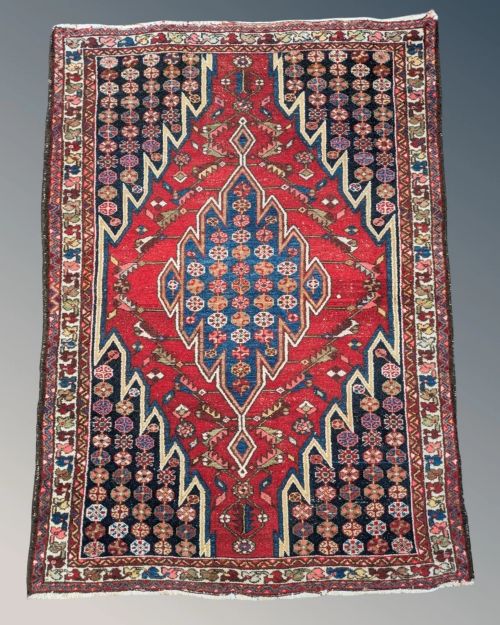
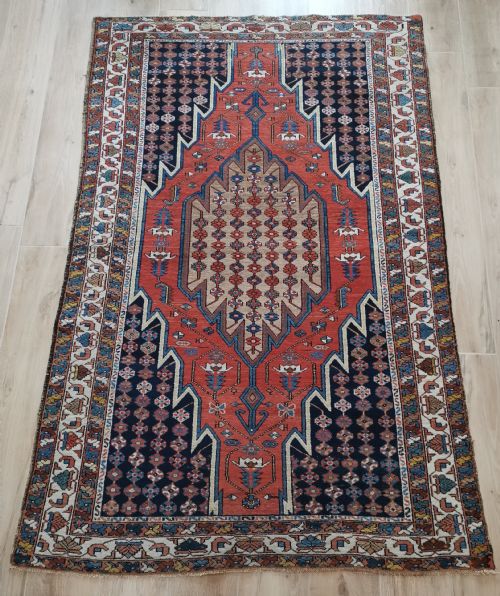
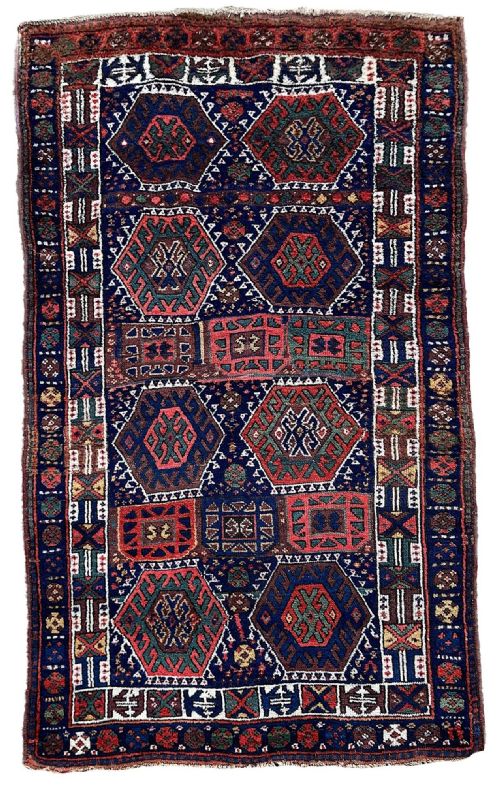
When you search for an oriental village rug, you encounter hand-knotted wool floor coverings originating from rural weaving communities across Persia, Afghanistan, the Caucasus, and Turkey. These pieces span production from the nineteenth century through the early twentieth century, including formats such as small area rugs, long runners, and prayer rugs.
The aesthetic is distinctly regional and tribal rather than courtly, featuring geometric medallions, repeated field motifs, and asymmetrical layouts woven by nomadic and village weavers. Common tribal identifiers in the evidence point towards Kurdish, Bakhtiar, Afghan, and Caucasian traditions alongside specific weaving towns like Mazlaghan, Malayer, and Hamadan.
Most examples available on this page date from the decades around nineteen hundred, representing a period when traditional vegetable dyes and hand-spun wool remained standard practice before synthetic colorants took over commercial production. The surviving specimens present practical dimensions for hallway runners, fireside rugs, and compact room centrepieces.
How they were made
Weavers relied almost exclusively on sheep wool for the pile and foundation, frequently utilising hand-spun wool alongside cotton warps for structural stability. This combination yields a dense, resilient handle that absorbs dye unevenly in a pleasing manner.
Colour comes from natural dyes derived from roots, insects, and plants, producing warm reds, deep indigos, and earthy secondary tones that mellow gracefully over decades of use.
Oriental Village Rug Retail Price Guide 2026
Typical asking prices for oriental village rug among the pieces listed under this phrase on Sellingantiques today, from the lower quarter to the upper quarter. They describe what is for sale here now, not the wider market.
Several village weavers tucked small asymmetrical amulets directly into the geometric borders to ward off bad luck.
What varies in quality
The primary distinction lies in the integrity of the wool and the depth of the palette, where saturated natural dyes and lustrous hand-spun fleece elevate a piece above standard commercial output. Knot density and the precision of the tribal drawing also dictate the overall refinement of the weaving.
Structural preservation plays a significant role, as surviving original kilim ends and intact selvedges indicate careful stewardship and greater longevity compared to heavily reduced examples.
The Oriental Village Rug Glossary
- Warp
- The vertical foundation threads stretched lengthwise on the loom before knotting begins. Cotton warps are common in many nineteenth and early twentieth-century village pieces.
- Weft
- The horizontal threads passed across the warp after each row of knots to bind the structure together. They are often beaten down firmly to create a stiff, durable fabric.
- Pile
- The upright ends of the knot yarn that form the soft surface of the rug. Thicker wool piles provide the cushion and warmth characteristic of traditional village weaving.
- Prayer rug
- A specialised format featuring a distinct niche or mihrab design at one end. Historically utilised for daily prayers by directing the apex toward Mecca.
- Natural dyes
- Organic colourants extracted from plants, insects, and minerals prior to the widespread introduction of synthetic aniline dyes. They produce the harmonious fading seen in older carpets.
Oriental Village Rug: Frequently Asked Questions
How do I clean an old village rug?
Vacuum gently without using a rotating brush bar to protect the aged wool pile from unnecessary friction and fibre loss.
For deeper cleaning, consult a professional specialist experienced in antique vegetable-dyed textiles rather than attempting chemical washing at home.
Can I place these rugs in high traffic areas?
Traditional village rugs were built for daily utility by nomadic and rural households using robust wool and sturdy foundations. They handle moderate foot traffic well in hallways and living spaces.
Consider adding a quality underlay beneath the rug to prevent slipping and reduce abrasion against hard flooring.
How do I identify the origin of a rug?
Examine the specific structural traits, such as the colour of the cotton warp threads, the weave density, and the styling of the geometric borders. Regional motifs like those found in Malayer, Hamadan, or Caucasian pieces offer clear clues.
Compare the colour palette and wool quality against known historical groups to narrow down the probable weaving district.
What does a distressed condition mean?
Distressed status indicates significant wear to the wool pile, low areas, or losses to the outer edges resulting from decades of genuine domestic use. Many collectors appreciate this aged character for its softened colours and relaxed aesthetic.
Check that the structural foundation remains stable despite the surface wear to ensure the piece is safe for placement.