




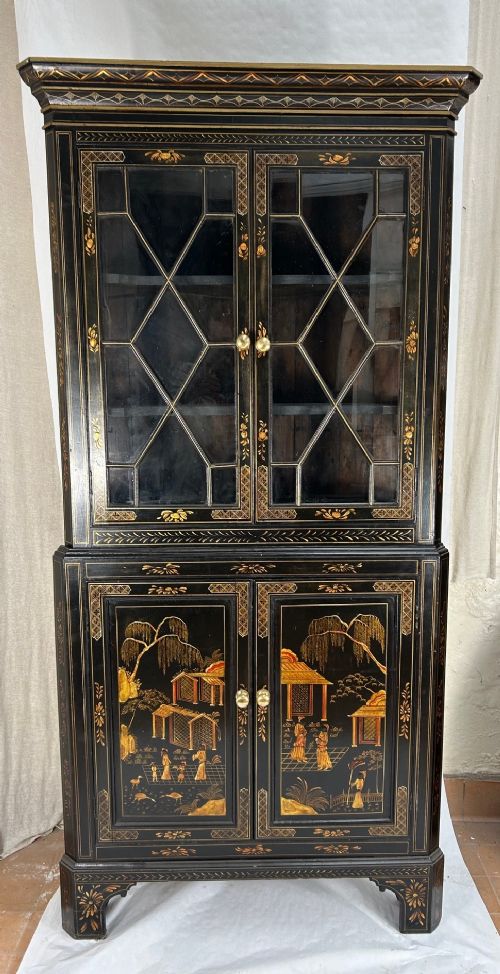
Oriental Styled Cabinet
An oriental styled cabinet brings the decorative arts of East Asia into a Western interior through rich lacquer, intricate inlay, and distinctive forms.
Oriental Styled Cabinet
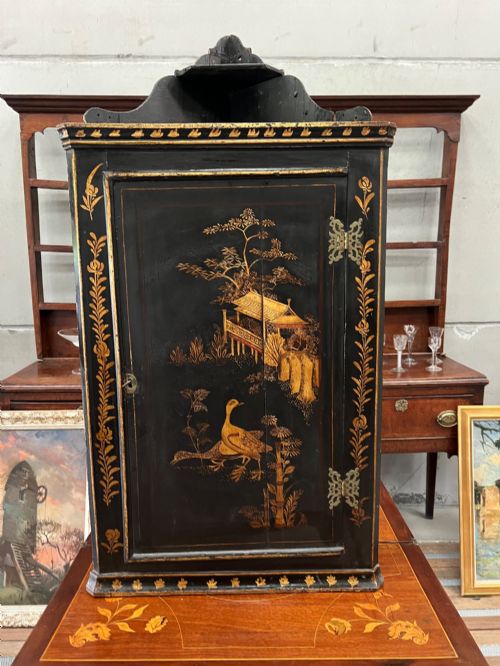
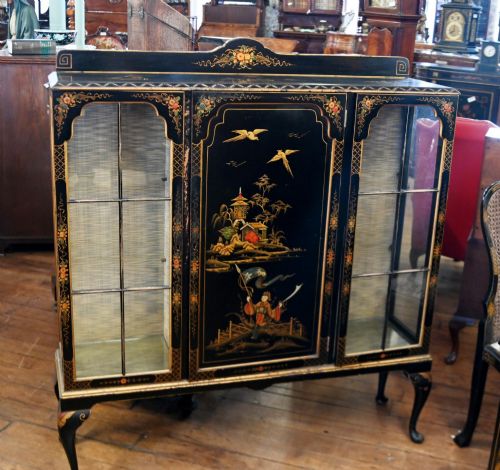
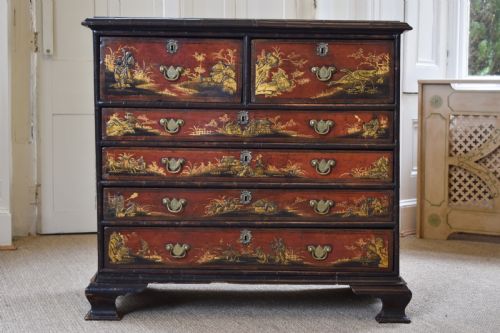
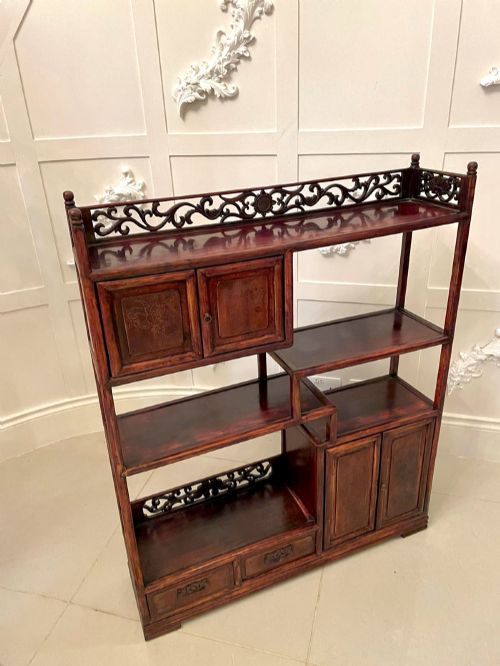
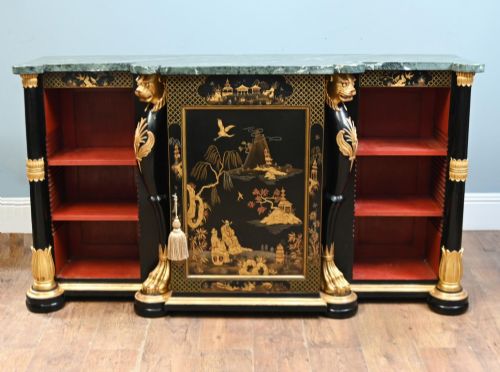
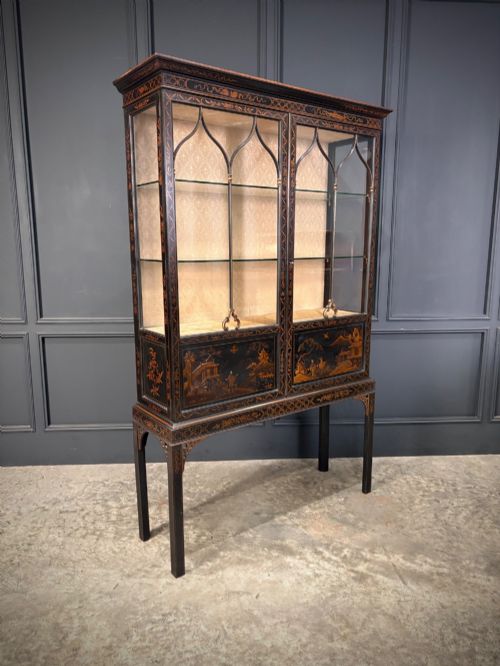
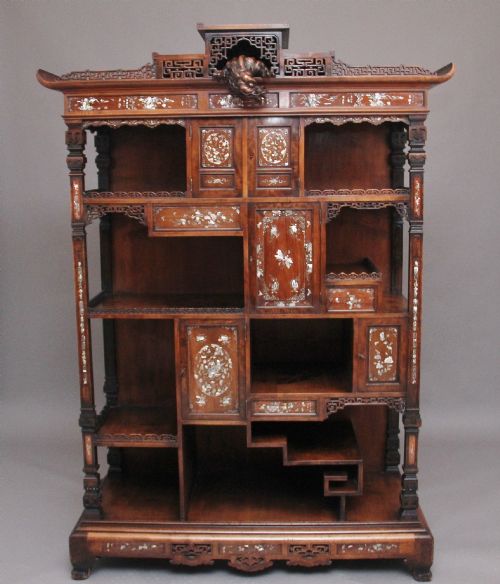
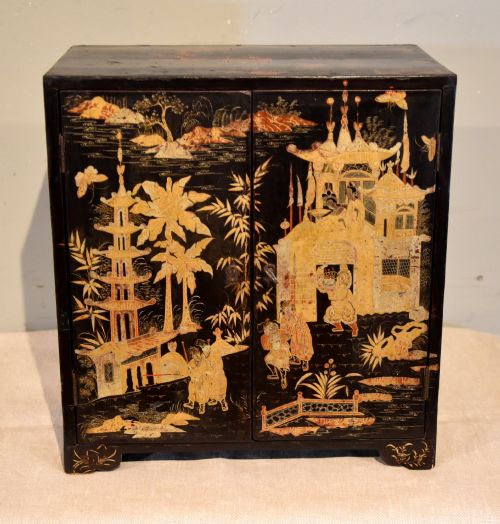
When you search for an oriental styled cabinet, you are looking at items spanning from the eighteenth century through the early twentieth century, taking the form of display cabinets, side cupboards, corner units, and chests. The pieces appearing most frequently on this page combine European furniture carcases with decorative schemes inspired by Chinese, Japanese, and Korean aesthetics.
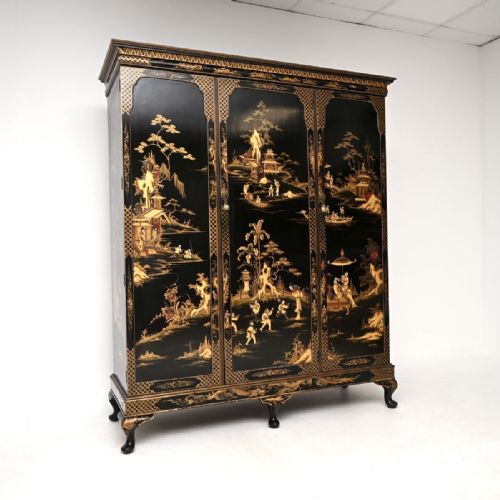
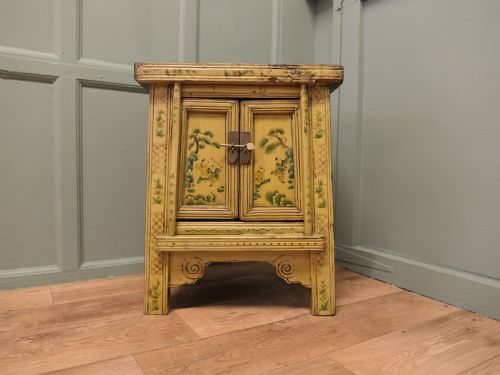
The objects range from large breakfront bookcases and wardrobes down to tabletop cabinets, bamboo sewing tables, and apothecary chests. Makers utilised various regional traditions, producing items shaped by Chinoiserie, Japonisme, and Aesthetic Movement tastes.
Materials and construction
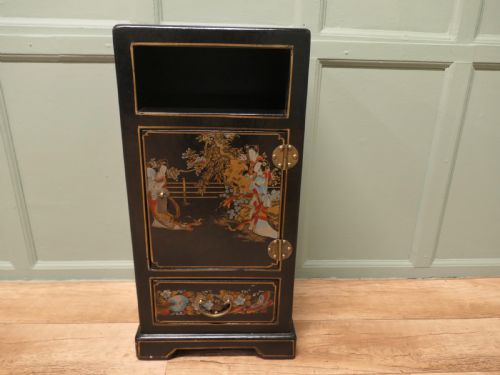
The makers built these pieces using native hardwoods such as elm and padouk, alongside softer timbers designated for lacquering. Surfaces received layers of black, red, or cream lacquer, often enriched with gold leaf and hand-painted figures, pagodas, or landscapes.
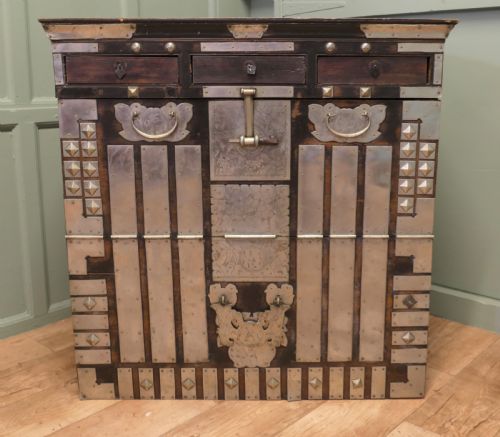
Detailing frequently involved mother of pearl inlay embedded into wood, joined by cast brass hardware, glass panel doors, and occasionally bamboo framing. Construction methods varied from traditional Chinese joinery to standard European cabinet-making techniques.
Oriental Styled Cabinet Retail Price Guide 2026
Typical asking prices for oriental styled cabinet among the pieces listed under this phrase on Sellingantiques today, from the lower quarter to the upper quarter. They describe what is for sale here now, not the wider market.
Listings feature items spanning the eighteenth, nineteenth, and early twentieth centuries, incorporating materials like brass, mother of pearl, and gold leaf.
Judging the standard
Quality rests primarily on the depth and execution of the surface decoration, distinguishing hand-painted lacquer and genuine mother of pearl inlay from simpler transfer prints. The finesse of the carving on stands, feet, and applied mouldings also separates standard production from finer workshop output.
The integrity of the timber carcase and the retention of original surface finishes dictate the standing of a piece within its period. Examples attributed to known makers or utilising superior materials command greater appreciation for their craftsmanship.
Hille for Harrods·Gabriel Viardot·Gabriel-Frederic Viardot
The Oriental Styled Cabinet Glossary
- Chinoiserie
- European artistic style reflecting Chinese motifs and decorative techniques, popular across various periods. It frequently appears on lacquered cabinets and bureaux.
- Japonisme
- Western fascination with Japanese art and culture, influencing late nineteenth-century design. This movement inspired asymmetric forms and naturalistic subjects on display furniture.
- Bandaji
- Traditional Korean storage chest, typically constructed from elm or other hardwoods with prominent iron or brass mounts. These trunks served for storing garments and household goods.
- Japanned
- European imitation of East Asian lacquerwork, created using successive coats of varnish heated and polished. This finish characterises many eighteenth and nineteenth-century corner cupboards.
- Shodona
- Japanese cabinet or shelving unit designed for displaying decorative objects. These pieces often feature tiered compartments and intricate woodwork.
Oriental Styled Cabinet: Frequently Asked Questions
What is an oriental styled cabinet?
An oriental styled cabinet is a storage or display piece incorporating East Asian decorative motifs, construction styles, or finishing techniques. These items range from European Chinoiserie furniture to authentic imported chests.
They serve both functional storage roles and decorative display purposes within domestic interiors.
How do I date an antique cabinet?
Dating relies on examining the underlying construction timber, the fixings, and the style of the lacquer or painted decoration. Secondary woods and hardware often reveal the manufacturing era.
Comparing the decorative motifs against known historical design periods helps narrow down the decade of production.
Where should I place a cabinet?
These pieces function well as focal points in living rooms, dining spaces, or hallways, depending on their scale. Corner units fit neatly into unused angles, while display cabinets suit rooms with good natural light.
Positioning them away from direct sunlight and heat sources protects delicate lacquer and inlay work.
How do I clean lacquered wood?
Dust surfaces gently with a soft, dry microfiber cloth to remove everyday particles. Avoid using modern chemical polishes, abrasive cloths, or excess water.
Maintaining a stable room humidity prevents the timber beneath the lacquer from expanding and cracking.