




Oriental Studio Ceramics
Oriental studio ceramics are distinctive vessels and decorative objects from East Asian traditions that bring rich sculptural detail and historic kiln mastery to a room.
Oriental Studio Ceramics
When you examine oriental studio ceramics, you encounter a range of forms including vases, brush washers, jars, and decorative bowls spanning from the seventeenth century through to the twentieth century. The selection leans heavily toward Japanese Meiji and Taisho-Showa studio pieces, alongside Qing dynasty Chinese porcelain and earthenware.
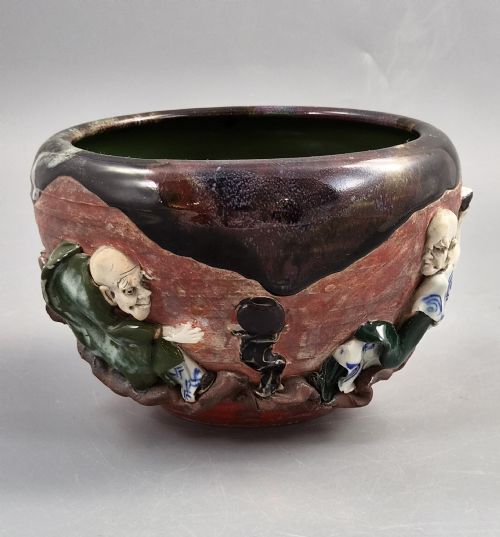
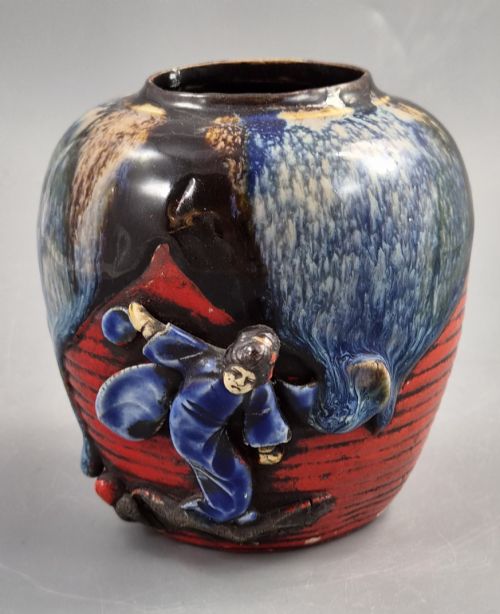
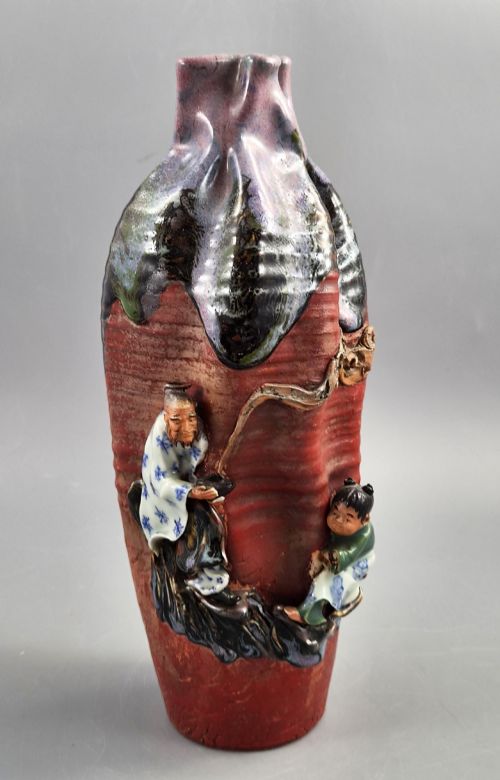
The objects serve both functional and ornamental purposes, historically utilised by scholars or placed within domestic interiors for visual impact. You will frequently find sculptural elements such as applied figures in relief, alongside traditional blue and white painting and rich monochrome glazes.
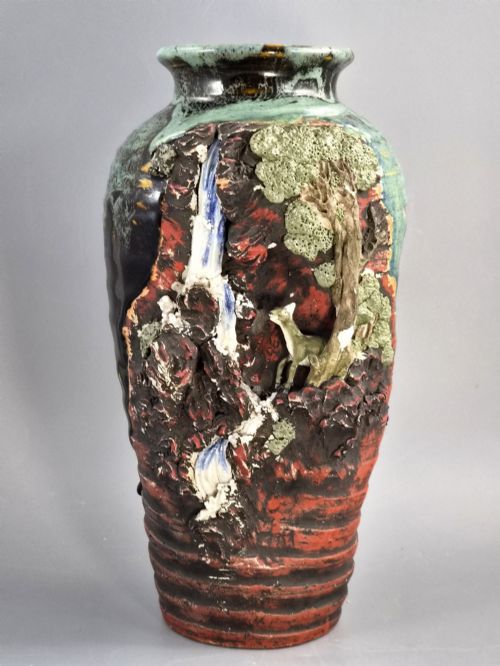
Vessels range from robust Sumida Gawa earthenware with heavily textured surfaces to finely potted Satsuma wares and imperial-style brush pots. Each piece carries the distinct aesthetic of its originating period, bridging utilitarian forms and high artistic expression.
Materials and Technique
Potters utilised earthenware, terracotta, and porcelain as the foundational bodies for these pieces, shaping them by hand or on the wheel before applying intricate surface decoration. The physical makeup of the clay body dictated the ultimate weight, texture, and resonance of each vessel.
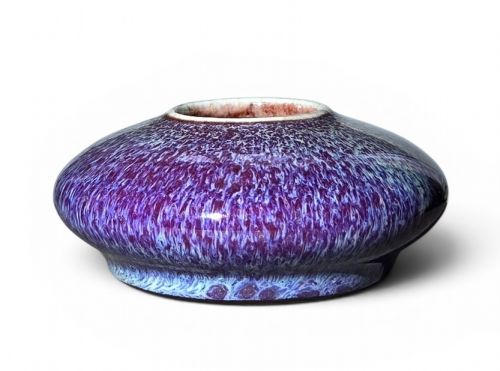
Glazes played a defining role, with artisans employing complex blue flambé, lavender flambé, and crackle 'Ge'-type finishes that shifted during the firing process. Enamel paints and gold leaf were frequently added over the glaze, alongside hand-painted blue and white pigments under the clear coat.
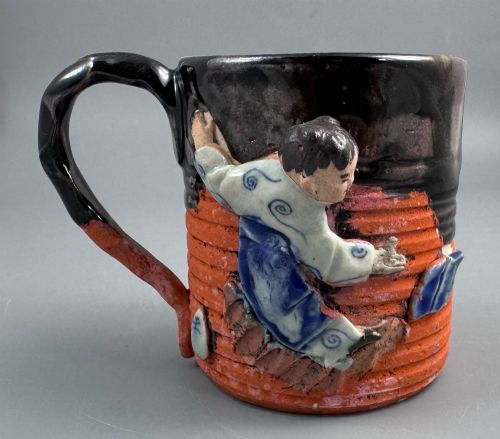
Sculptural additions such as climbing figures, sages, and karako were hand-modelled separately and applied directly to the damp clay body prior to firing. This combination of structural forming, glaze chemistry, and detailed surface modeling required precise kiln control.
Listings span centuries of kiln production, stretching from seventeenth-century Arita beaker vases to twentieth-century Japanese studio pieces.
Defining Quality
Quality rests upon the mastery of the kiln and the control of unpredictable glazes, where running flambé effects and crackle lines achieve a balanced visual depth rather than muddying the form. The ambition of the glaze work separates standard production pieces from those retaining scholarly or imperial importance.
The precision and vitality of hand-modelled relief figures determine the artistic merit of sculptural earthenware, distinguishing rigid applications from dynamic, lifelike compositions. Signatures from recognised studio potters or workshops add a layer of documented authorship that elevates the standing of a piece.
The harmony between the ceramic form and its decorative scheme dictates overall success, ensuring that applied elements, such as phoenix and peony motifs or scholar scenes, complement the underlying vessel rather than competing with it.
Inoue Ryōsai·Ban-ni·Makuzu Kozan·Kōko·Kinkozan·Shozan·Makuzu Kozan II·Kizan
The Oriental Studio Ceramics Glossary
- Flambé glaze
- A streaked or mottled high-fired glaze achieved through reduction firing, creating complex transitions of blue, purple, and lavender tones across the ceramic surface.
- Brush washer
- A small basin or vessel traditionally used by scholars in East Asian studies to rinse ink brushes during calligraphy and painting.
- Karako
- A traditional decorative motif depicting Chinese children at play, frequently rendered in relief or painted onto ceramics from the Meiji period onward.
- Imari palette
- A distinctive decorative style utilising underglaze blue, iron red, and gold, named after the port from which Japanese porcelains were historically shipped.
- Earthenware
- Porous pottery fired at lower temperatures, often finished with thick, textured glazes as seen in Sumida Gawa studio traditions.
Oriental Studio Ceramics: Frequently Asked Questions
What is a Sumida Gawa ceramic?
Sumida Gawa pottery originates from the banks of the Sumida River in Tokyo, characterised by heavy earthenware bodies and thick, dripping flambé glazes. Makers often applied highly tactile sculptural figures directly onto the surface of vases and bowls.
These pieces emerged strongly during the Meiji and Taisho periods, offering a stark contrast to the refined, smooth porcelain of earlier dynasties. Their raw, hand-modelled aesthetic makes them immediately recognizable among studio ceramics.
How do I identify Satsuma ware?
Satsuma ceramics typically feature a distinctive ivory-colored, crackle-glazed earthenware body painted with detailed enamel designs and often accented with gold leaf. They frequently bear signatures from specific Kyoto studios and master makers.
While originating in the Satsuma province, much of the finest export ware was produced in Kyoto by workshops such as Kinkozan. The decoration commonly showcases figures, flora, and intricate geometric patterns.
What defines Qing dynasty porcelain?
Qing dynasty porcelain is defined by exceptional technical refinement, encompassing vibrant Famille Rose enamels and deep underglaze blue painting. Imperial kilns maintained rigorous standards of potting and decoration.
Objects from this era, such as brush pots and vases, balance complex narrative scenes with precise symmetry. The materials display a fine, dense white body beneath controlled glazes.