



Oriental Silk Art
These pieces of oriental silk art span centuries of delicate needlework and painted textile traditions across Asia and the Middle East, offering a tangible connection to master craftspeople of the past.
Oriental Silk Art
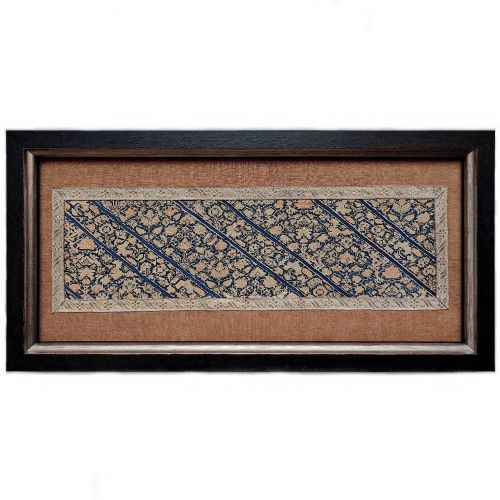
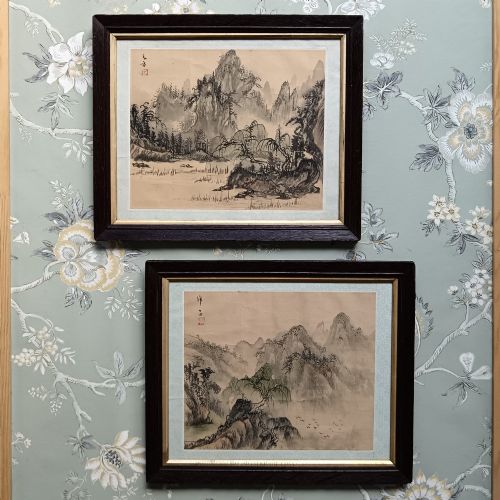
Oriental silk art encompasses a diverse range of framed embroideries, scroll paintings, and wall hangings originating from regions such as China, Japan, Turkey, and Central Asia. Collectors searching for oriental silk art frequently encounter 19th-century needlework, watercolour paintings on silk grounds, and woven textiles framed behind glass.
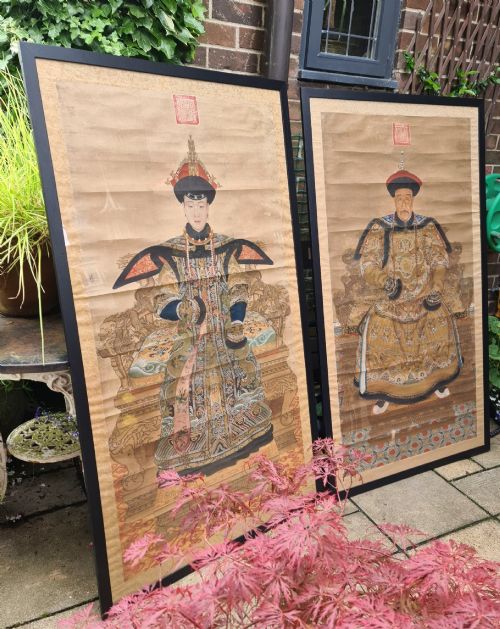
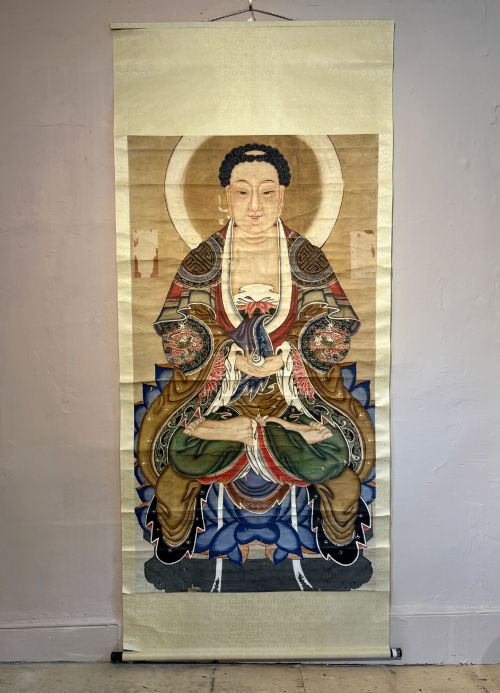
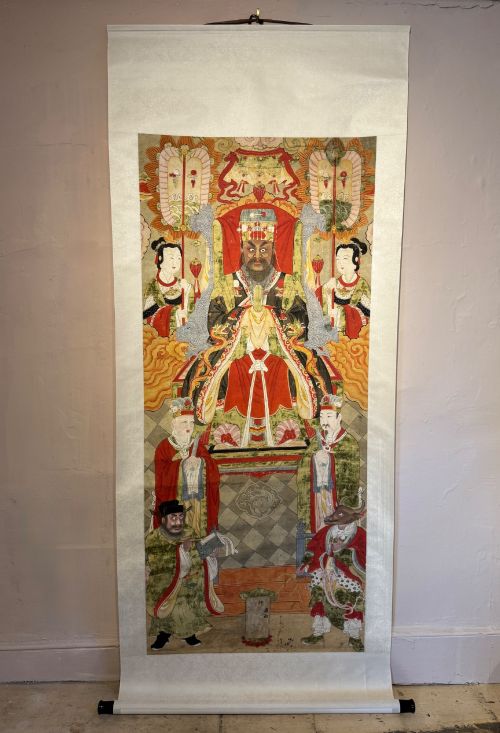
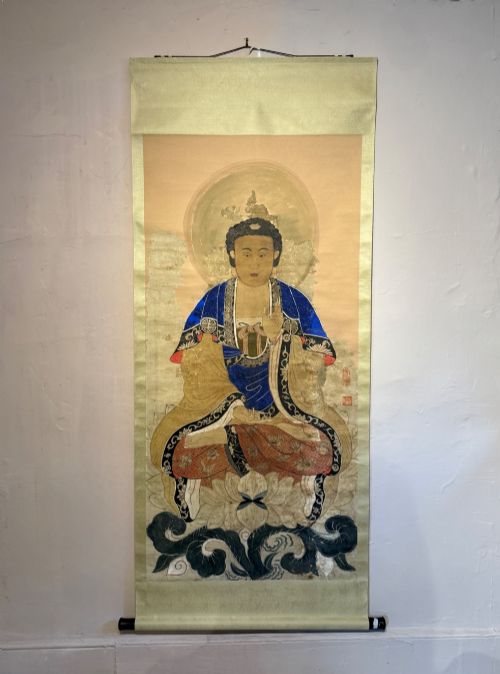
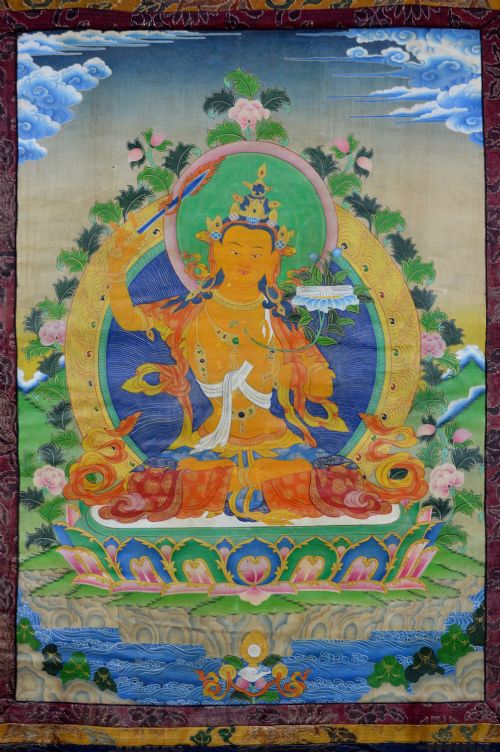
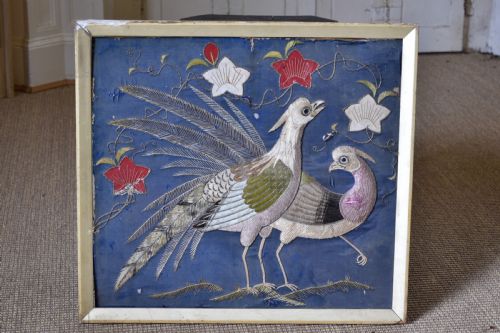
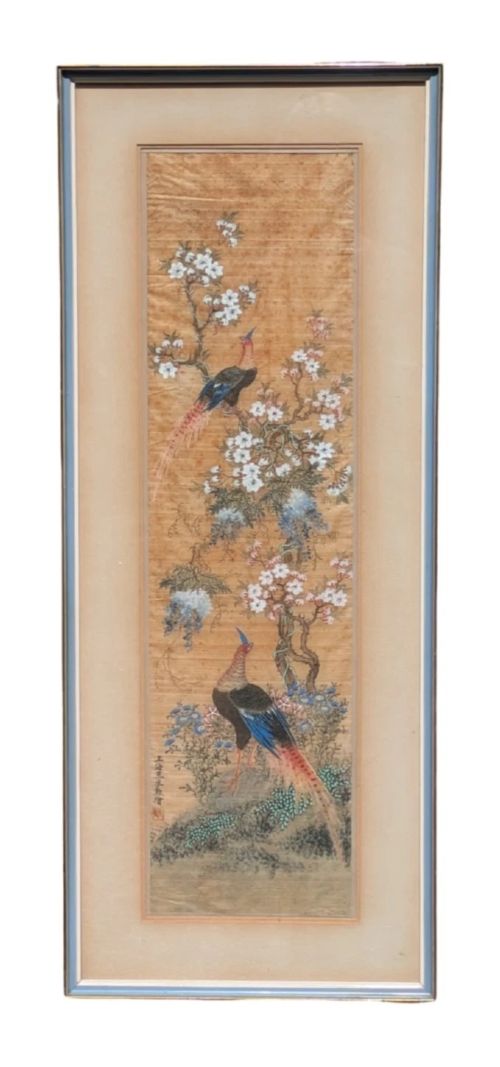
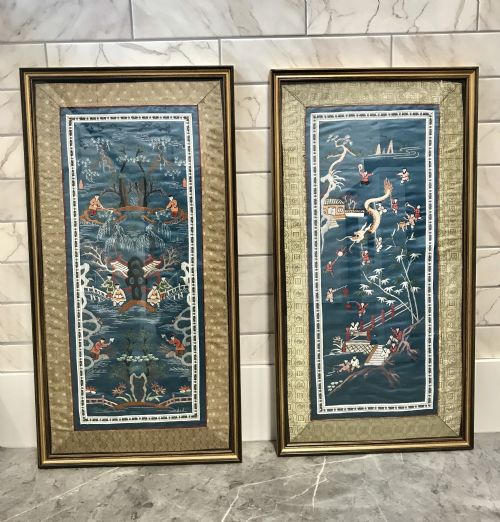
The selection includes ancestral portraits, depictions of deities, delicate bird and flower studies, and large embroidered panels featuring dragons or flora. These objects range from portable table screens and framed pictures to expansive wall hangings and garments repurposed for display.
Materials and construction
Makers utilised fine silk threads, natural pigments, gouache, and ink applied to silk, paper, or cotton grounds. Metallic threads frequently appear in needlework to highlight details on robes, panels, and hangings.
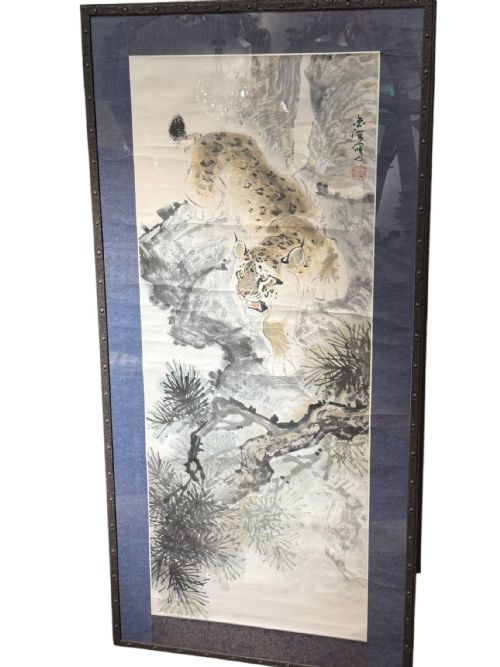
Substrates often feature wooden frames, glass protection, carved hardwood stands, or felt and cotton backings. Embroidery techniques combine hand-sewn stitching with appliqué work, while paintings employ traditional brushwork on delicate silk panels and scrolls.
Oriental Silk Art Retail Price Guide 2026
Typical asking prices for oriental silk art among the pieces listed under this phrase on Sellingantiques today, from the lower quarter to the upper quarter. They describe what is for sale here now, not the wider market.
Styles represented include Qing Dynasty, Meiji Period, Ottoman, Tibetan Buddhist Art, and Qajar traditions.
Quality and execution
Quality rests upon the precision of the hand-stitching or brushwork and the preservation of the delicate silk ground. Superior examples display intricate detail in figures, flora, and fauna without significant fraying or pigment loss.
The sophistication of the original framing, such as carved hardwood or original scrolls, distinguishes finer pieces. Depth of colour and the complexity of the composition also separate standard decorative works from master-level artistic achievements.
Iida Takashimaya Company
The Oriental Silk Art Glossary
- Shan Shui
- Traditional Chinese landscape painting style featuring natural scenery such as mountains, rivers, and waterfalls. These works are often executed in ink and wash on silk scrolls.
- Suzani
- Large, decorative embroidered tribal textiles originating from Central Asia. They are typically worked in silk on a cotton or linen ground with floral and geometric motifs.
- Ancestor Painting
- Formal portraiture commissioned to honour family forebears in East Asia. These pieces often depict seated figures in detailed traditional robes.
- Gouache
- An opaque water-based pigment used alongside watercolour on silk or paper. It provides rich, dense colour saturation in painted compositions.
- Brocade
- A class of richly decorative shuttle-woven fabrics, often featuring raised patterns created with metallic threads. It frequently serves as a mount for Japanese woodblock prints and scrolls.
Oriental Silk Art: Frequently Asked Questions
How should I hang oriental silk art?
Silk textiles and paintings require protection from direct sunlight to prevent fading of the natural dyes and pigments. Framing behind glass helps shield the delicate fibres from dust and atmospheric moisture.
Ensure pieces are mounted away from direct heat sources such as radiators. Stable indoor humidity levels will prevent the wooden frames and silk grounds from warping or becoming brittle.
What periods do these pieces come from?
The majority of pieces date from the nineteenth and early twentieth centuries, spanning the Qing Dynasty, Meiji period, and Ottoman eras. Traditional techniques persisted across these decades, making exact dating reliant on material wear and stylistic markers.
Earlier items often exhibit traditional motifs tied to specific dynastic rules or regional workshops. Mid-century examples also appear, reflecting continued revival of traditional craft methods.
How do I clean antique silk art?
Antique silk requires extreme caution and should generally be left untouched by amateur cleaning methods. Surface dust on glass can be gently wiped with a dry cloth, but the textile beneath must remain undisturbed.
Professional textile conservators should handle any structural repairs or deep cleaning. Attempting to wash or press antique silk panels risks tearing the aged fibres and dissolving water-soluble pigments.
Are these pieces signed by the artist?
Some paintings and embroideries bear artist signatures, seals, or stamps indicating their origin. These marks provide clues to the workshop or individual creator behind the work.
Many decorative panels and folk textiles remain unsigned, as they were produced within larger communal or commercial workshops. Unsigned pieces are judged entirely on their execution, materials, and artistic merit.