

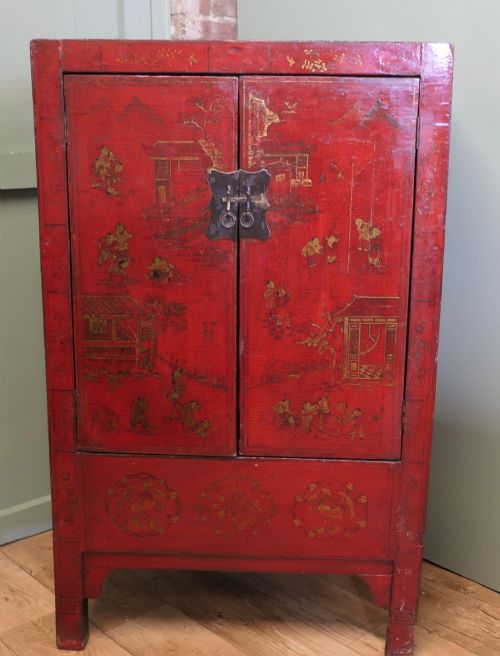
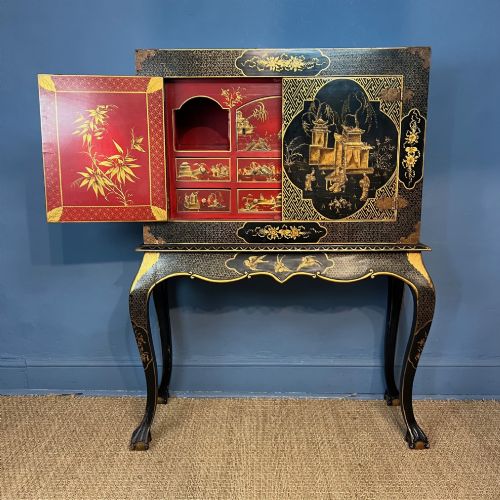
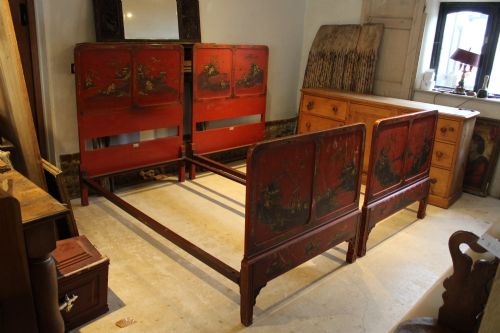
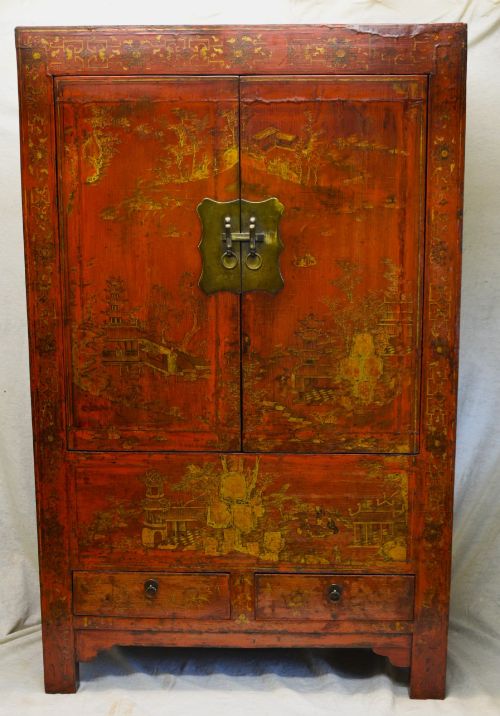


Oriental Red Furniture
Oriental red furniture brings bold colour and historical depth into a room through rich lacquer finishes on timber forms.
Oriental Red Furniture
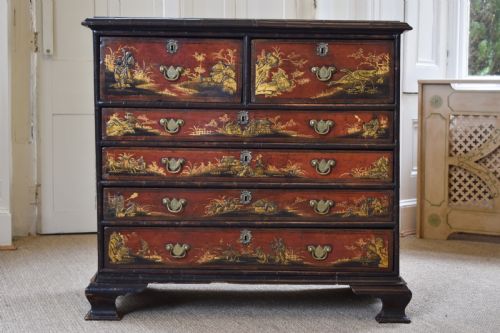
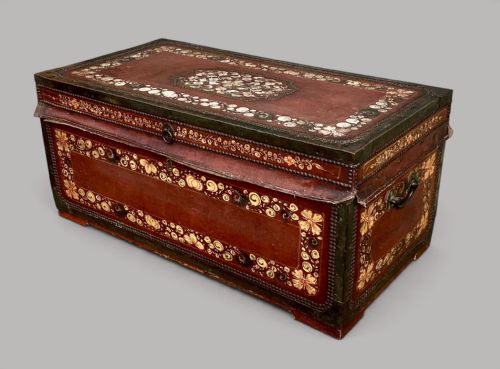
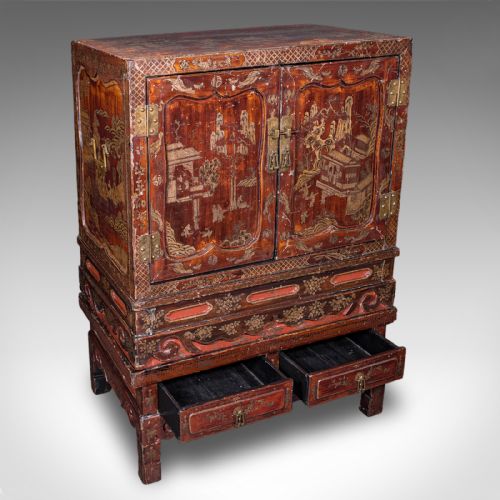
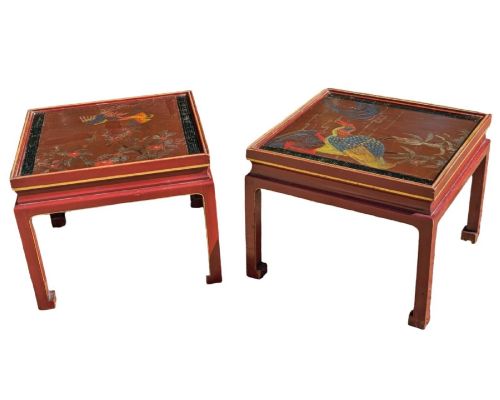
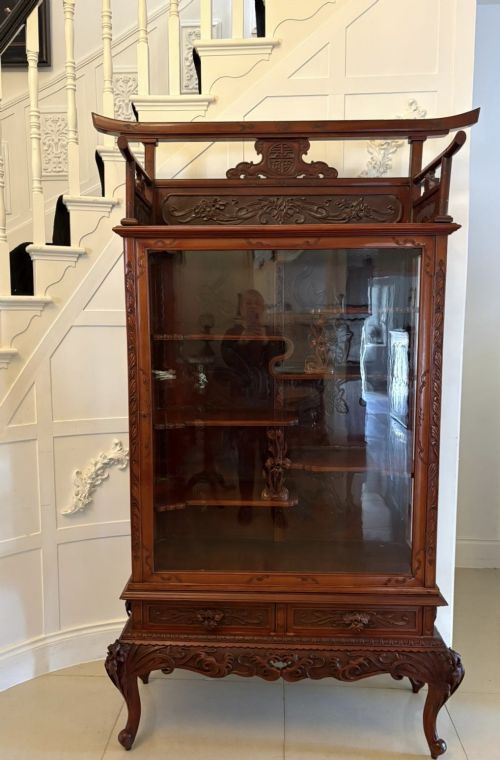
Oriental red furniture comprises storage pieces, seating, and tables shaped from timbers like elm, hardwood, and rosewood, finished in red lacquer. Buyers search for these items to anchor a room with a striking crimson surface and intricate painted or carved detailing.
The pieces appearing most frequently span the nineteenth century into the early twentieth century, originating from Chinese Qing Dynasty workshops, Japanese makers, Tibet, and English revival ateliers. Forms range from marriage cabinets and altar tables to side chairs, console tables, and apothecary chests.
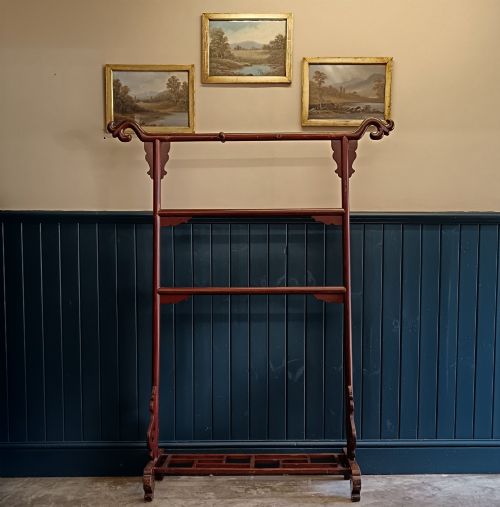
Domestic items such as clothes racks, robe stands, and nesting tables show how lacquer and paint were applied to everyday household utilities. Regional variations introduce black lacquer accents, floral decoration, and gilded relief carvings to standard timber frames.
Materials and construction
Wood serves as the core substrate, with elm, kiri, rosewood, and general hardwoods providing stability for large cabinets, tables, and seating. Carpenters joined these timbers using traditional joinery methods before applying surface coatings.
Red lacquer, derived from tree sap and pigmented with cinnabar or other colourants, builds up in multiple layers over the wood or fabric-reinforced base. Artisans then embellish the cured surface using gold leaf, hand painting, or carved relief work.
Brass and iron hardware, including hinges, corner plates, and lock plates, functionalise doors and drawers while contrasting with the red lacquer. Marble inserts occasionally top tables and plant stands, adding weight and a cool stone surface to the timber frame.
Oriental Red Furniture Retail Price Guide 2026
Typical asking prices for oriental red furniture among the pieces listed under this phrase on Sellingantiques today, from the lower quarter to the upper quarter. They describe what is for sale here now, not the wider market.
The furniture forms range widely from utilitarian opium beds and robe stands to decorative plant stands, nesting tables, and temple drums.
Judging the pieces
Quality rests upon the depth and resilience of the lacquer finish, alongside the crispness of any hand painting, gilding, or carved detail. Superior examples display smooth, even coats with harmonious pictorial scenes or floral motifs that remain clear across the surface.
Construction integrity distinguishes better items, evident in the tightness of joints, the smooth operation of cabinet doors and drawers, and the retention of original brass or iron hardware. The choice of underlying timber, such as dense rosewood or solid elm, dictates the weight and structural endurance.
Coherence of the design period matters, separating genuine nineteenth-century export and domestic pieces from later revival items. The integration of regional artistic traditions, whether Tibetan floral work or Qing Dynasty carving styles, shapes the artistic standing of each object.
The Oriental Red Furniture Glossary
- Lacquer
- A durable resin finish applied in successive coats to wood and polished to a smooth sheen. It protects the underlying timber while providing a vibrant ground for colour and decoration.
- Chinoiserie
- European artistic interpretation and imitation of Chinese and East Asian artistic traditions, popular in furniture decoration. This style appears on English mirrors and cabinets from later periods.
- Tansu
- Traditional Japanese mobile storage cabinetry constructed from wood with iron metalwork reinforcement. These chests were designed for versatility and everyday household organisation.
- Altar table
- A long, narrow table originating from ritual placement in temples or domestic halls, characterised by upturned flange ends. They function today as console or sofa tables.
- Jardiniere stand
- A tall, slender piece of furniture designed to elevate a plant pot or vase. They often incorporate marble tops and carved wood frames.
Oriental Red Furniture: Frequently Asked Questions
How do I use an apothecary cabinet at home?
These multi-drawer chests provide practical storage for small items while serving as striking focal points in a hallway or living room. Their compartmentalised front offers distinct visual texture against plain walls.
Place them on sideboards or use standalone floor models to anchor a corner, keeping the surrounding decor simple to let the red finish stand out.
What is a wedding cabinet used for?
Traditional Chinese wedding cabinets were given to couples as functional storage for garments and household linens. Their large interior cavities and removable shelves accommodate modern wardrobe needs.
In a contemporary home, they work well in bedrooms or living areas for storing bulky items while introducing a bold splash of red lacquer.
Where should I place an altar table?
Altar tables feature narrow proportions that suit hallways, entryways, or the back of a sofa. Their elongated surface holds lamps, books, or decorative objects without blocking foot traffic.
The distinct upturned ends frame the display neatly, drawing the eye along the length of the furniture.
How do I care for red lacquer furniture?
Keep lacquered pieces out of direct sunlight to prevent the red pigment from fading and the finish from drying out. Maintain a stable indoor humidity level to protect the underlying wood.
Dust gently with a soft, dry cloth and avoid chemical cleaning products that can strip the historic surface.
How do I identify a Meiji period piece?
Meiji period items originating from Japan often display precise craftsmanship in wood selection, such as kiri or hardwood. Look for structural elements specific to Japanese cabinetmaking, including tansu iron fittings.
Decorative motifs follow Japanese aesthetic traditions rather than strict Chinese Qing patterns, helping separate the regional origins.