

Oriental Papier Mache
Oriental papier mache pieces bring rich hand-painted pigment and lacquer into a room, offering functional items from the nineteenth and early twentieth centuries.
Oriental Papier Mache
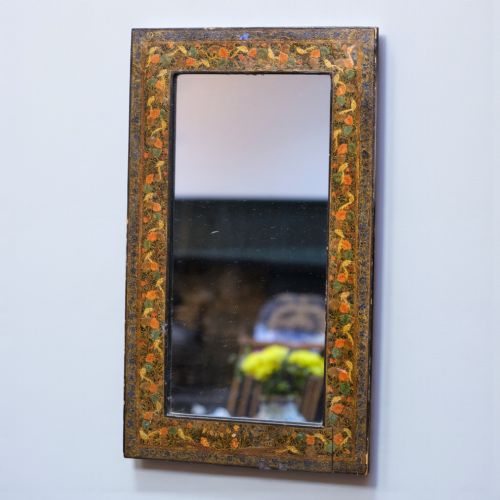
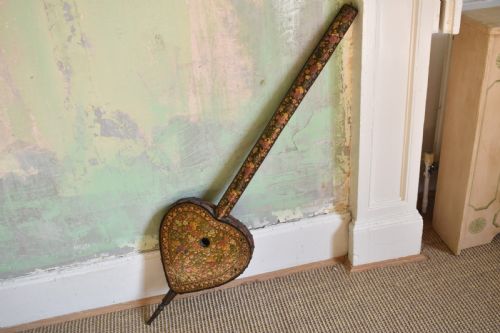
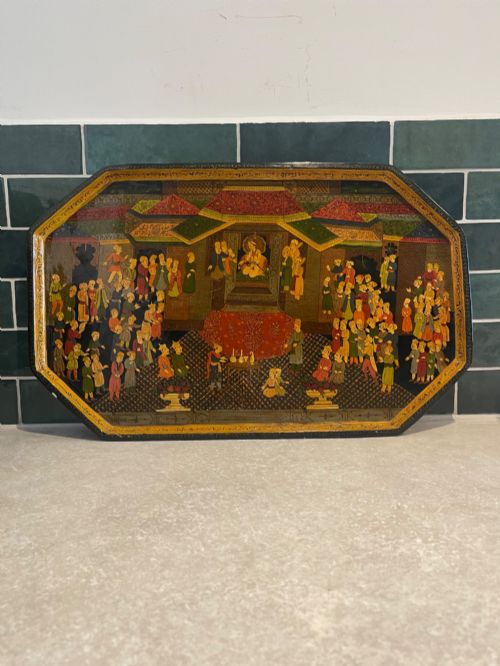
Oriental papier mache covers decorative and functional household items produced across various regions including Kashmir, Persia, and England during the nineteenth and early twentieth centuries. When searching for oriental papier mache, collectors encounter items ranging from small desk accessories and lidded pots to large folding dressing screens and tray tables.
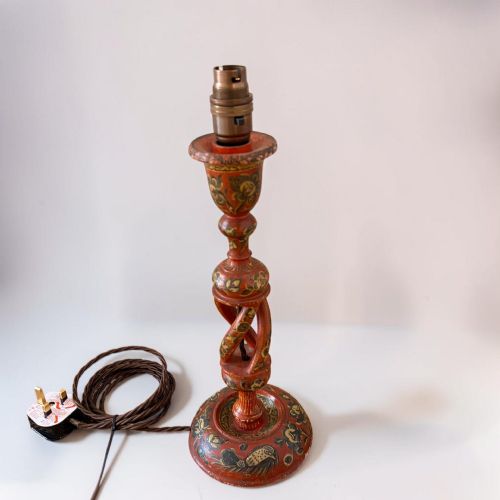
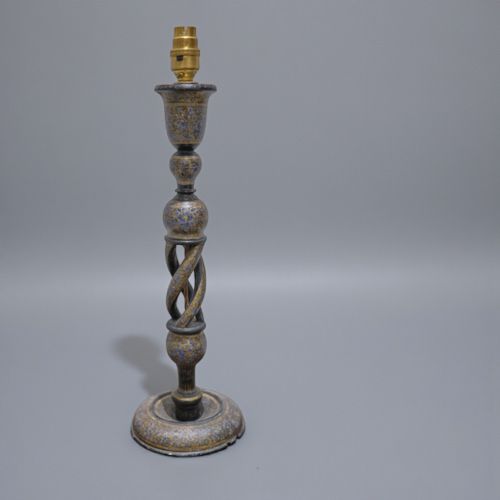
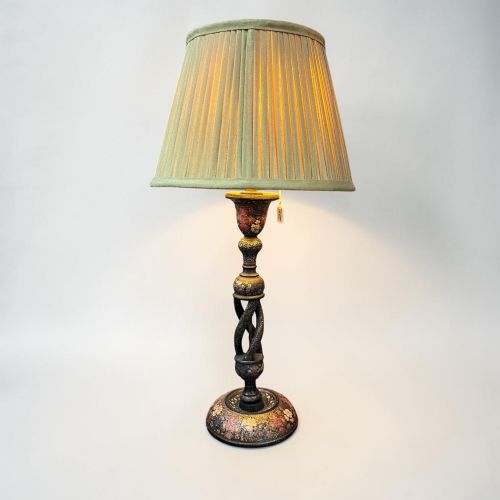
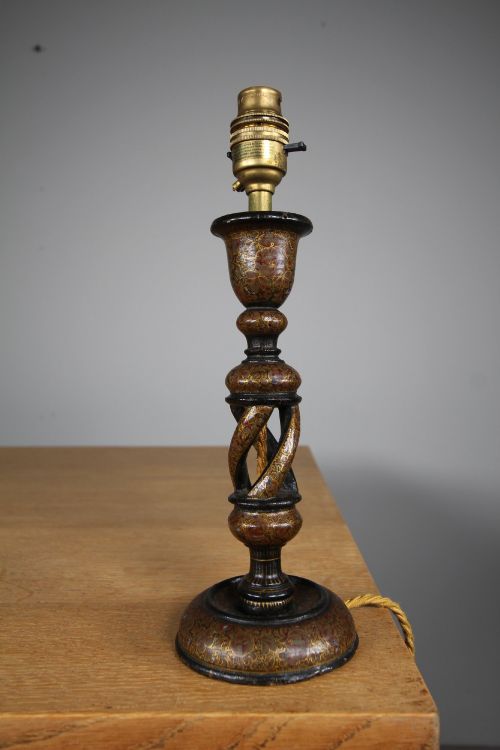
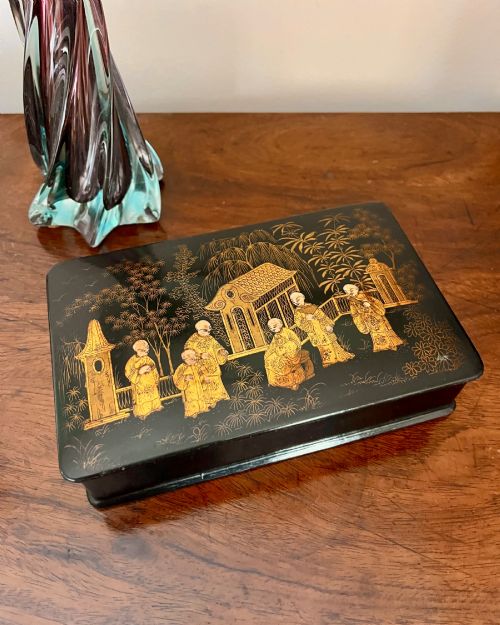
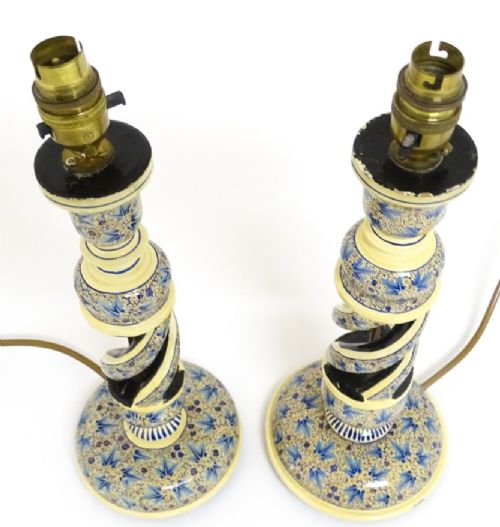
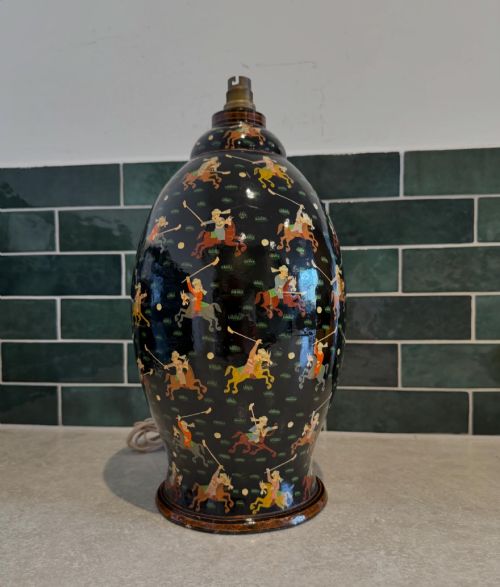
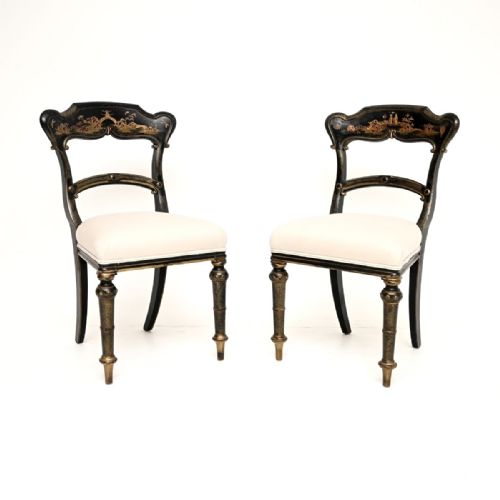
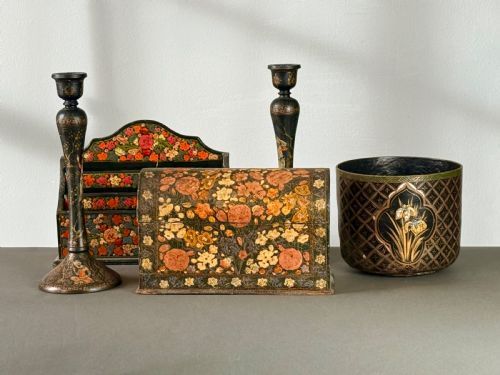
The material surface typically displays detailed Chinoiserie, Kashmiri, or Qajar Persian hand-painted motifs executed in gilt gold and bright pigments. Side chairs, table lamps, and nesting boxes represent the most common domestic forms found within this selection.
Pieces from this category draw upon diverse cultural traditions, blending indigenous Kashmiri craftsmanship with Victorian European tastes for exotic furnishings. Each object serves both a practical domestic function and a decorative role through its ornamented lacquer surface.
Materials and Construction
Construction relies upon layers of paper pulp or bonded paper combined with wood structures to form rigid cores for trays, boxes, and table bases. Artisans then applied coats of lacquer to seal the object and create a smooth ground for subsequent ornamentation.
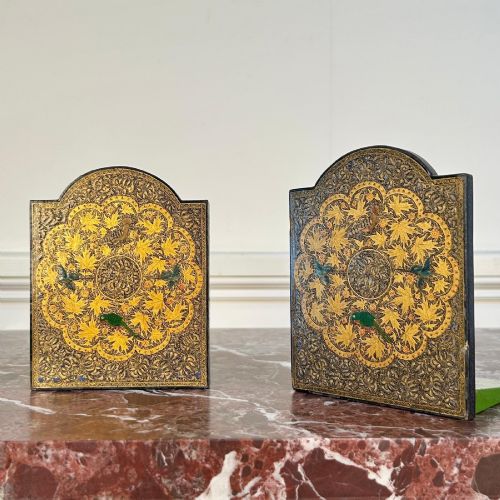
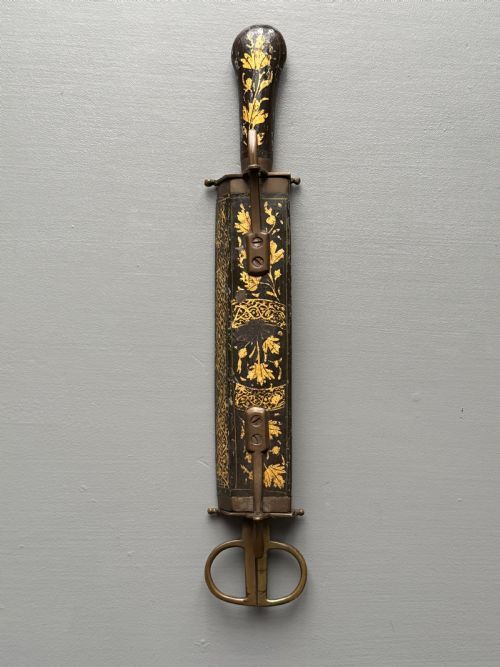
Decoration involved intricate hand-painted pigments finished with gilt gold highlights to produce motifs derived from traditional Kashmiri and Chinoiserie designs. Selected items incorporated additional elements such as brass fittings, mother-of-pearl inlays, and fabric linings.
Oriental Papier Mache Retail Price Guide 2026
Typical asking prices for oriental papier mache among the pieces listed under this phrase on Sellingantiques today, from the lower quarter to the upper quarter. They describe what is for sale here now, not the wider market.
Listings feature items from the nineteenth century up to the 1930s, constructed from papier-mache, wood, brass, and fabric.
Assessing Quality
Quality depends upon the intricacy and preservation of the hand-painted surface work, where finer brushwork and richer gilt detailing distinguish superior examples. The stability of the underlying papier-mache core and the integrity of the protective lacquer finish also determine the overall standard of a piece.
Proportion and decorative harmony separate standard utilitarian objects from exceptional furnishings such as large dressing screens or graduated box sets. Better pieces retain their original pigments and structural rigidity without heavy intervention from later restoration.
The Oriental Papier Mache Glossary
- Papier-mache
- A composite material consisting of paper pieces or pulp bound with an adhesive, moulded into shape, and dried before finishing. This substance forms the lightweight yet durable foundation for trays, boxes, and small furniture.
- Lacquer
- A clear or coloured varnish applied in multiple coats to produce a hard, glossy surface that protects the painted decoration underneath. It creates the smooth sheen characteristic of these decorative objects.
- Gilt
- A thin layer of gold applied to the surface of an object to highlight specific decorative details and motifs. This technique adds luminance against dark lacquer grounds.
Oriental Papier Mache: Frequently Asked Questions
How do I clean papier mache items?
Dust surfaces gently with a dry, soft cloth to prevent accumulation without disturbing the delicate lacquer and pigment layers.
Avoid using water, liquid cleaners, or chemical solvents, as moisture penetrates the papier-mache core and causes the painted decoration to lift.
Are these items suitable for daily use?
Most decorative boxes, trays, and desk accessories function well for light everyday tasks when handled with reasonable care.
Larger furniture items like tables and screens require placement away from direct sunlight and excessive humidity to protect the fragile lacquer finish.
How do I identify Kashmiri pieces?
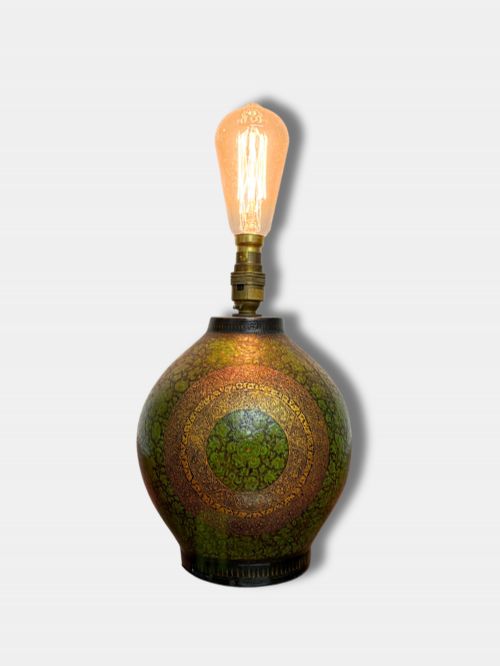
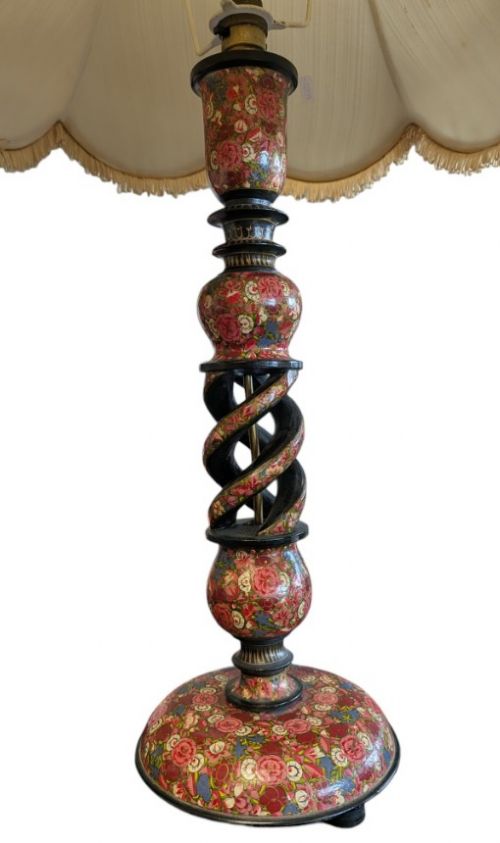
Kashmiri items often display dense floral motifs, paisley patterns, and bright green or gold pigments painted directly onto the lacquered body.
Many examples from this region take the form of table lamps, lidded pots, and nesting boxes dating from the late nineteenth and early twentieth centuries.
What is Victorian Chinoiserie?
Victorian Chinoiserie describes nineteenth-century British furnishings decorated with European interpretations of Asian artistic themes.
These pieces typically combine black lacquer grounds with raised gilt decoration on items such as side chairs, dressing screens, and tray tables.