



Oriental Motif Pottery
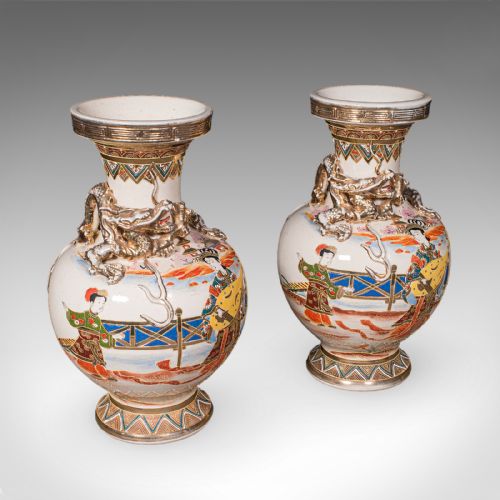
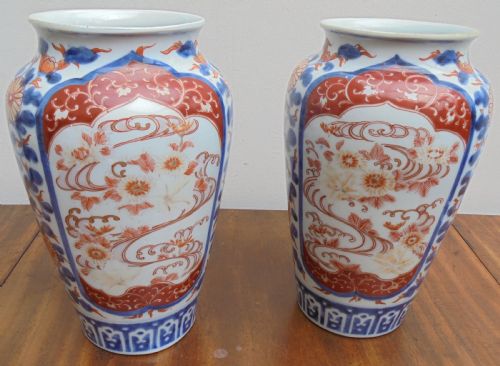
Oriental motif pottery brings together hand-painted Satsuma and Imari wares, offering striking displays of cobalt glaze, enamel, and gold leaf.
Oriental Motif Pottery
Oriental motif pottery encompasses Satsuma and Imari ceramics originating from Japan alongside British interpretations in ironstone. These pieces range from large decorative bowls and chargers to pairs of baluster vases produced across the Victorian era and the early twentieth century.
Buyers browsing this selection will frequently encounter nineteenth-century Japanese Satsuma and Imari works. Forms span plates, dishes, and vases, often featuring elaborate hand-painted decoration that reflects Meiji period aesthetics.
How oriental motif pottery was made
Potters shaped ceramic bodies from earthenware and porcelain before applying cobalt glaze or polychrome enamel. Skilled hands then added details in gold leaf to accentuate the rich surface designs.
Firing techniques varied from standard kiln processes to studio methods used for specialised earthenware. Artisans relied on traditional hand-painting to build intricate motifs across plates, bowls, and vases.
Oriental Motif Pottery Retail Price Guide 2026
Typical asking prices for oriental motif pottery among the pieces listed under this phrase on Sellingantiques today, from the lower quarter to the upper quarter. They describe what is for sale here now, not the wider market.
Dragons and samurai share shelf space with bamboo handles on these nineteenth-century export wares.
What varies in quality
The refinement of the hand-painting distinguishes finer examples from simpler production pieces, particularly in the precision of enamel work and gold leaf application. Finer Satsuma and Imari wares display exceptional control over cobalt glaze and detailed figurative or floral motifs.
Form and scale also influence distinction among these ceramics, with unusual shapes like bamboo-handle forms or large chargers demonstrating greater ambition by the maker or pottery. The clarity of the ceramic body and the depth of the glaze further separate standard items from superior specimens.
Ryuzan·Kinkozan·Makuzu Kozan II·Mason's Ironstone
The Oriental Motif Pottery Glossary
- Satsuma
- A type of Japanese earthenware featuring a crackle-glaze finish, typically decorated with polychrome enamels and gold leaf. It originated in the Satsuma Province and gained immense popularity for export during the Meiji period.
- Imari
- Japanese porcelain decorated in underglaze blue and overglaze iron red, gold, and green. This palette originated in Arita and was widely shipped through the port of Imari.
- Meiji Period
- The era of Japanese history lasting from 1868 to 1912, marked by the opening of trade with the West. Ceramics from this time often combined traditional motifs with ambitious decorative techniques.
- Cobalt Glaze
- A deep blue mineral pigment applied beneath the transparent glaze of ceramics. It withstands high firing temperatures without losing intensity.
- Charger
- A large decorative plate intended for display rather than dining. These pieces often feature complex central motifs and ornamental borders.
Oriental Motif Pottery: Frequently Asked Questions
What is Satsuma pottery?
Satsuma pottery is a distinct type of Japanese earthenware characterised by a pale, ivory-coloured body covered in a fine crackle glaze. Artisans decorated these surfaces using rich polychrome enamels and raised gold leaf.
These pieces were produced in large quantities for the Western export market during the nineteenth century, particularly in the Meiji period. Common forms include vases, bowls, and intricate decorative objects featuring figures and landscapes.
How do I identify Imari ware?
Imari ware is traditionally recognised by its distinctive palette of underglaze cobalt blue, iron red, and abundant gold leaf accents. The designs often incorporate floral and geometric panels arranged symmetrically across the ceramic surface.
Originally produced in Japan during the Edo period, the style proved so popular that European potteries later created their own interpretations. These pieces function primarily as decorative plates, chargers, and vases.
How were these ceramics used?
Oriental motif pottery served largely as decorative art within nineteenth-century interiors, responding to a strong Western appetite for Japanese design. Vases, chargers, and bowls were displayed on mantels, sideboards, and wall brackets to showcase exotic craftsmanship.
While some items like plates and dishes had functional origins, larger chargers and Satsuma vases were intended purely for visual display. Their intricate hand-painted scenes offered a focal point for Victorian drawing rooms.
How should I care for antique pottery?
Antique ceramics require gentle handling and stable environmental conditions to protect their delicate glazes and gold leaf. Keep them away from direct sunlight and moisture to prevent deterioration of the enamel and earthenware bodies.
Dusting should be performed softly with a dry, lint-free cloth rather than liquid cleaners. Avoid submerging antique pieces in water, particularly earthenware with crackle glazes that can absorb moisture.