

Oriental Mother of Pearl
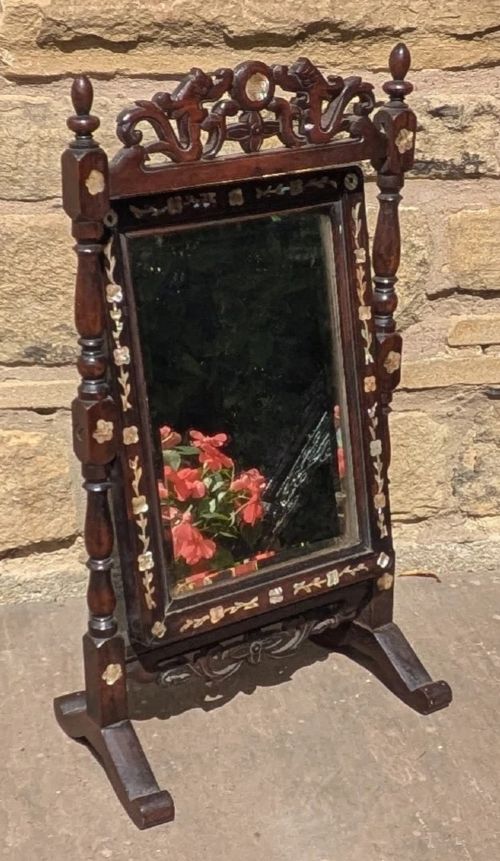
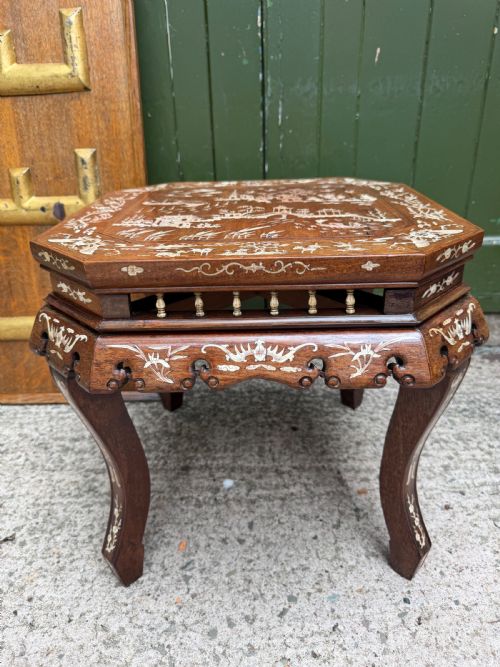
Oriental mother of pearl pieces bring intricate nacre inlay and carved lustre to nineteenth-century furniture, display cabinets, and decorative boxes.
Oriental Mother of Pearl
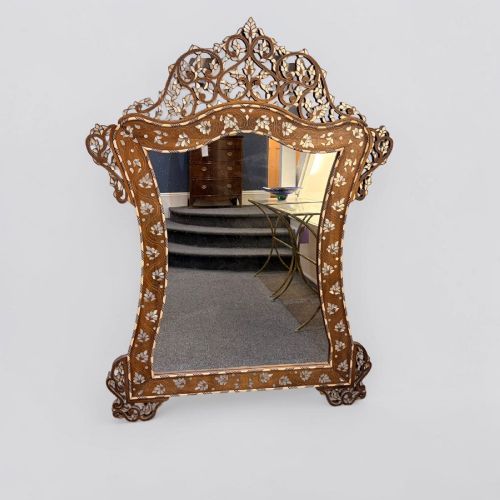
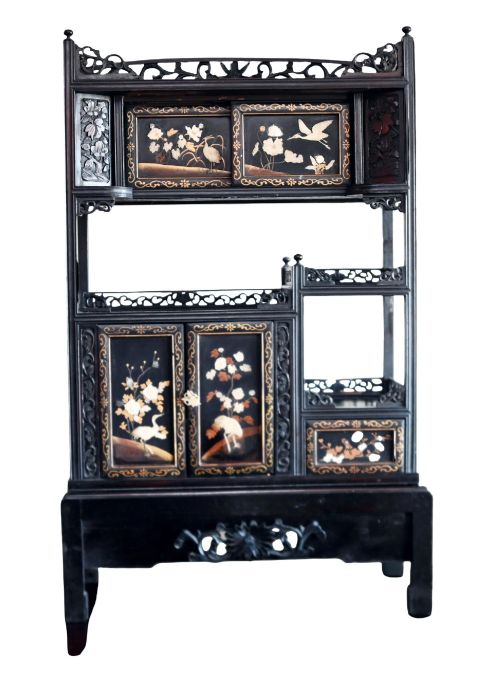
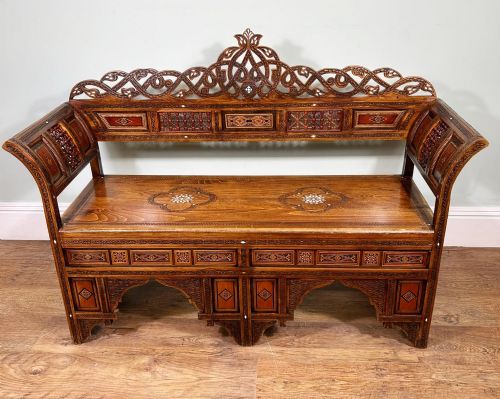
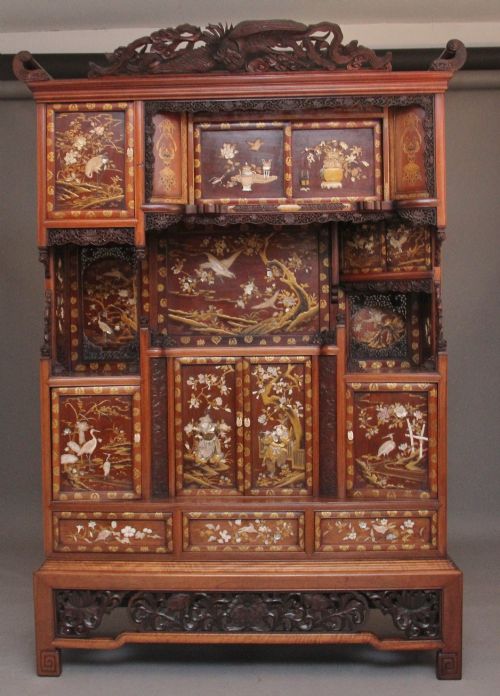
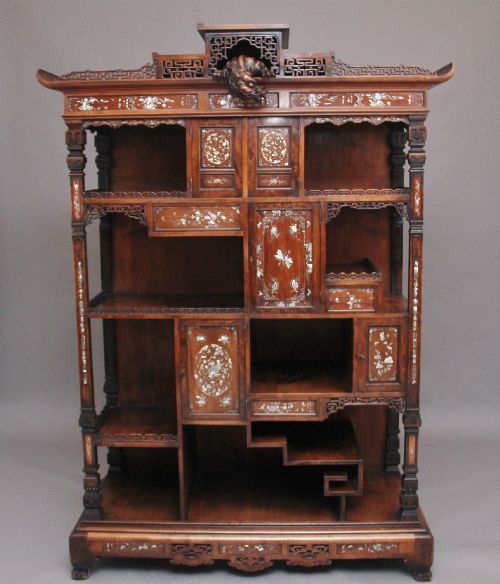
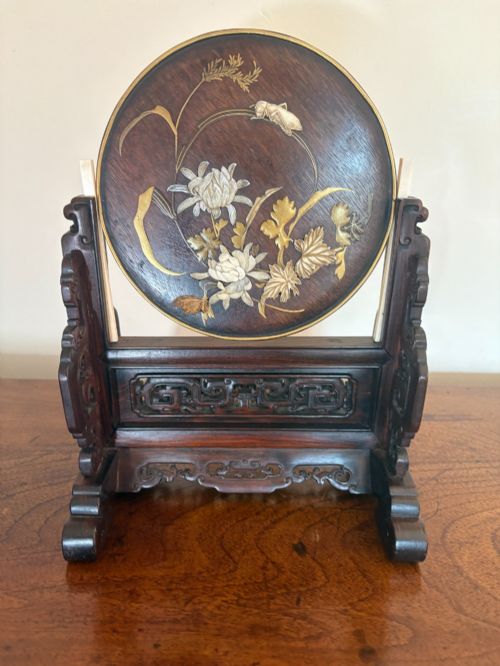
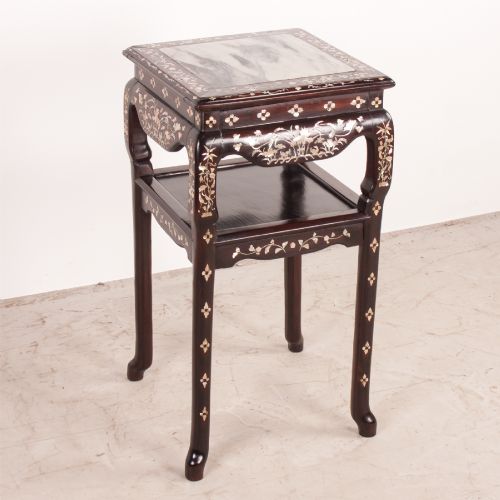
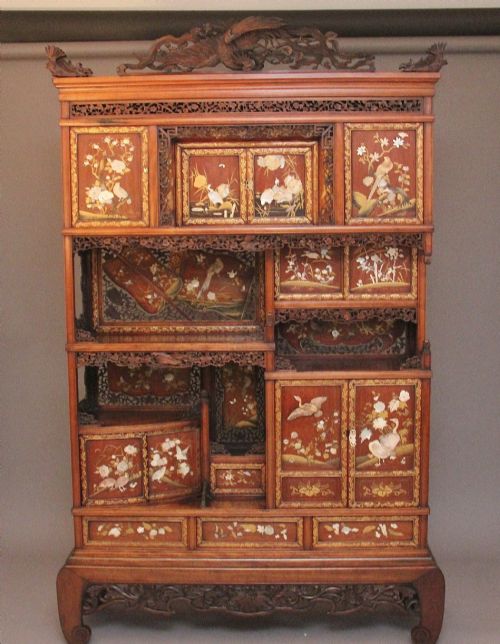
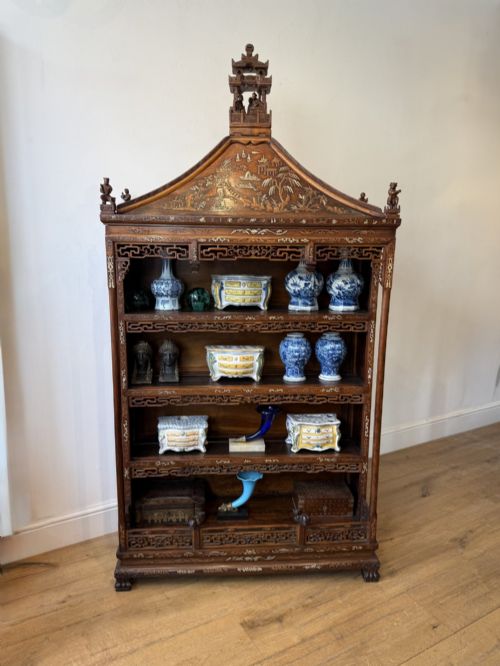
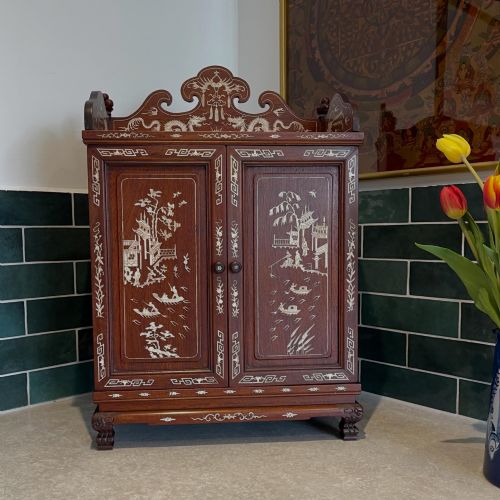
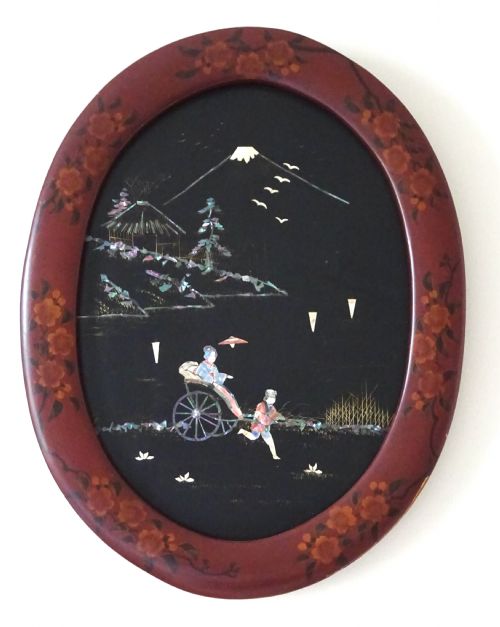
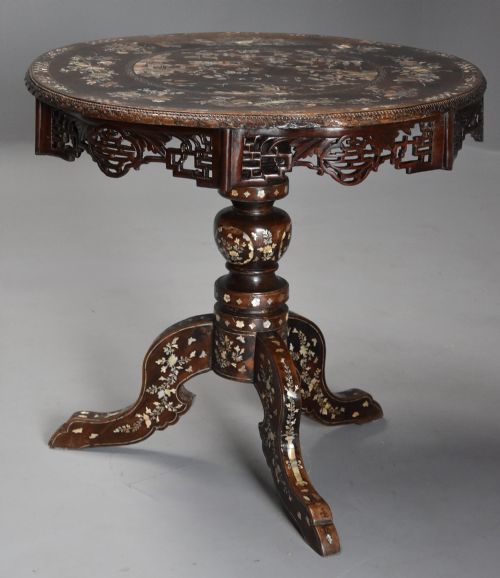
Oriental mother of pearl encompasses items where iridescent shell forms the primary decorative element, spanning Qing Dynasty, Meiji Period, and Ottoman examples. Buyers seek objects ranging from large hardwood shodana display cabinets and centre tables to smaller decorative boxes, wall plaques, and folding screens.
The selection frequently includes Chinese export items, Japanese lacquerwork, and Middle Eastern or Indo-Persian firearms and tables. Pieces predominantly date from the nineteenth century into the early twentieth century, reflecting diverse global workshops utilising shimmering nacre.
Materials and technique
Maker craftsmanship relies on combining mother-of-pearl and abalone inlay with dark substrates such as hardwood, rosewood, walnut, and red lacquer. Artisans cut thin sections of shell to form detailed pictorial motifs of birds, foliage, and geometric patterns, pressing them flush into carved wooden recesses.
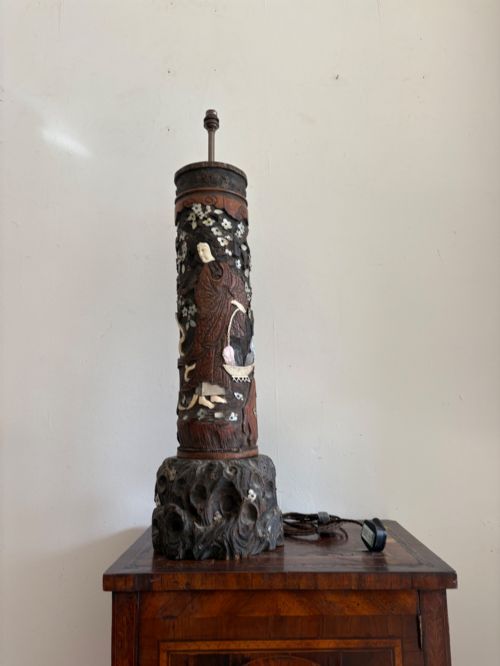
Secondary materials like bone, brass mountings, and foilage accents often complement the shell work, particularly on Indo-Persian matchlock muskets, Syrian tables, and Japanese Shibayama panels. The resulting surfaces balance smooth polished lustre with deeply carved wood grain.
A carp swims forever across a Meiji lacquer okimono, caught mid-dash in shell and wood.
Craftsmanship and preservation
Excellence rests in the precision of the inlay work and the complexity of the carved details across panels, cabinets, and screens. Superior examples maintain every tiny piece of nacre flush within the surrounding wood or lacquer without modern adhesive replacements.
Depth of carving and the natural iridescence of selected shell sections distinguish finer items from simpler production. Preservation of delicate lacquer surfaces and intact structural joinery further determines the standing of individual pieces.
Haruyama Shunzan
The Oriental Mother of Pearl Glossary
- Shodana
- A Japanese multi-shelf display cabinet featuring staggered compartments and often decorated with lacquer and inlay. These storage items showcase intricate craftsmanship designed for ornamental display.
- Shibayama
- A Japanese decorative technique utilising inlay of shell, ivory, and coral on wood or lacquer bases. Pieces using this method display microscopic precision in creating pictorial scenes.
- Nacre
- The iridescent internal layer of mollusc shells utilised for inlay work. This organic material provides the shimmering tonal shifts characteristic of the category.
- Okimono
- A Japanese standalone decorative carving intended for display on a shelf or tabletop. These small sculptures often depict animals or figures carved from wood or bone.
- Chinoiserie
- European decorative style reflecting Chinese artistic motifs and techniques. Items adopting this aesthetic often incorporate black lacquer and shell decoration.
Oriental Mother of Pearl: Frequently Asked Questions
How do I clean mother of pearl inlay safely?
Dust surfaces gently with a dry microfibre cloth to prevent scratching the delicate nacre and surrounding wood.
Avoid liquid cleaners, chemical polishes, or soaking, as moisture can loosen the historic adhesives holding the inlay in place.
Where were most of these inlaid cabinets made?
Many items originate from Chinese export workshops and Japanese Meiji period studios, alongside Middle Eastern and Ottoman centres.
Craftsmen in these regions utilised local hardwoods and imported shell to satisfy international demand for decorative furnishings.
What is the difference between mother of pearl and abalone?
Mother of pearl typically exhibits a silvery, white iridescent sheen sourced from pearl oyster or freshwater pearl mussel shells.
Abalone displays deeper greens, blues, and pinks with a more dramatic colour play, often used alongside standard nacre for highlights.
Can these antique tables be used daily?
Historic tables and stands function well for gentle display use, provided they are protected from heavy knocks and excessive weight.
Placing coasters underneath items prevents scratching the polished lacquer and inlaid surfaces during regular use.