
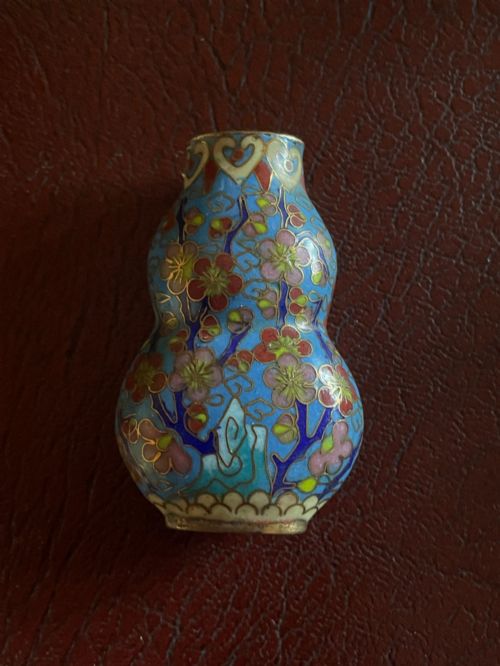
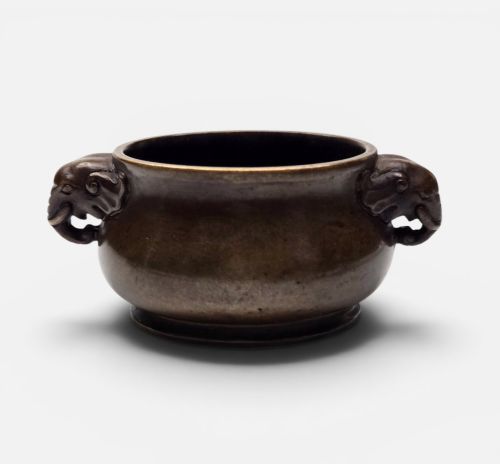


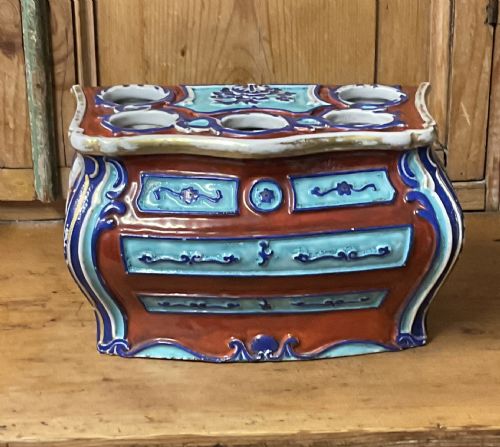
Oriental Miniature Vessel
These oriental miniature vessel examples span centuries of skilled craftsmanship, offering small-scale elegance for discerning collectors.
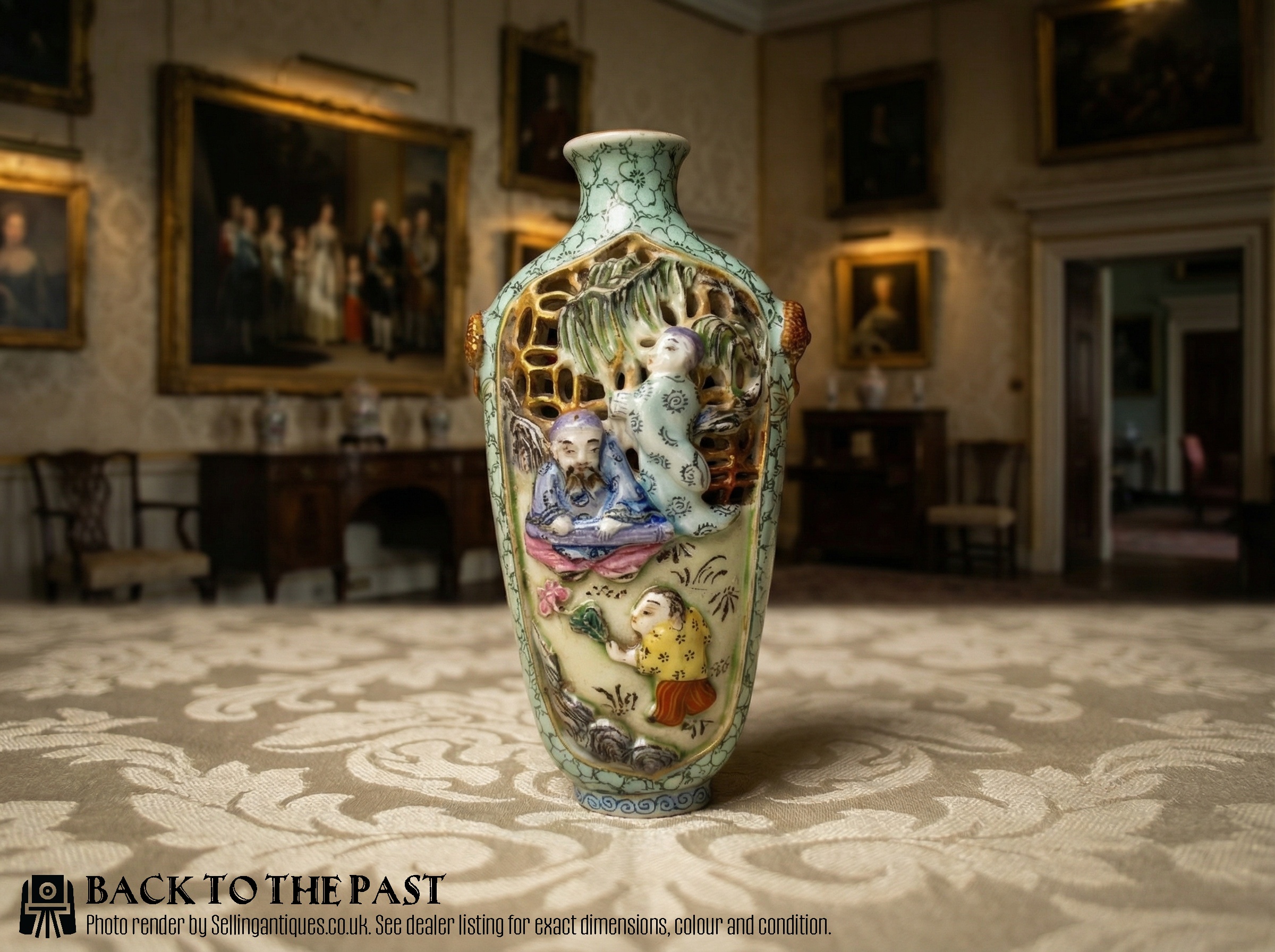
Oriental Miniature Vessel
The selections available include bronze censers, porcelain vases, and earthenware items such as satsuma or imari wares. Many date from the nineteenth century, reflecting periods like the Meiji or Qing dynasties.
Scholar's items form a significant portion of these small antiques, including tiny planters and incense burners intended for refined studio use. They offer intimacy of scale alongside intricate decorative detail.
Materials and techniques
Metals such as bronze and copper provide weight and structure for cast censers and miniature planters, often finished with detailed patination or gilt highlights. Cloisonné utilises enamel wirework to create vibrant patterned surfaces across metallic foundations.
Ceramic pieces rely on porcelain, earthenware, and pottery bodies shaped into vases and bough pots, frequently decorated with hand-painted figural scenes or rich cobalt glazes. Gold leaf and fine pigments finish many satsuma and imari examples.
Organic materials also appear in specific forms, notably carved coral shaped into delicate snuff bottles with fitted stoppers.
Periods represented range from the seventeenth-century Ming era through the eighteenth-century Qing dynasty into the Meiji period.
Quality variations
The refinement of surface detail separates standard production from superior examples, particularly visible in the precision of hand-painted figural processions and enamel work. Crisp casting marks and heavy bronze patination indicate superior workshop output.
Signatures from recognised makers add distinction to individual pieces, such as specific Kyoto artists working during the Meiji period. Overall preservation of delicate gilt highlights and enamel integrity determines the standing of each antique.
Chosei·Kotobuki-do
The Oriental Miniature Vessel Glossary
- Censer
- A vessel used for burning incense, commonly found in bronze among scholar's objects. These often feature tripod bases and pierced lids.
- Satsuma
- A type of Japanese earthenware featuring a crackle-glaze finish painted with polychrome enamels and gilt. It originated in the Satsuma Province.
- Imari
- Japanese porcelain decorated in underglaze blue, iron red, and gold. This style became prominent for export markets.
- Cloisonné
- An enamelling technique where metal wires form compartments on a vessel body to hold coloured paste. Firing produces a smooth, patterned surface.
- Snuff Bottle
- A small container designed to hold powdered tobacco. Chinese examples frequently display intricate carving or painted interior designs.
Oriental Miniature Vessel: Frequently Asked Questions
What is an oriental miniature vessel used for?
These small pieces served various historical functions, from burning incense in scholar's studios to holding snuff or simply displaying fine artistry on a desk.
Today, they function primarily as cabinet antiques, allowing collectors to appreciate dense decorative detail and fine craftsmanship within a confined footprint.
How do I date a miniature bronze censer?
Dating relies on stylistic markers, casting techniques, and the nature of the surface patina developed over centuries of handling.
Scholar's pieces from the Ming or Qing periods exhibit specific metallurgical qualities and decorative motifs distinct from later nineteenth-century manufacturing.
What distinguishes Satsuma ware?
Satsuma ceramics are characterised by a distinctive cream-colored, crackled earthenware body decorated with detailed hand-painted scenes.
Fine examples incorporate raised enamel work and generous applications of gold leaf, often bearing artist signatures on the base.
How should I display miniature vessels safely?
Because of their small scale and delicate materials like enamel, thin porcelain, or carved coral, stable placement away from heavy traffic is essential.
Enclosed cabinets with glass shelving protect them from dust while permitting close inspection of their intricate painted and patinated surfaces.