





Oriental Metalwork Planter
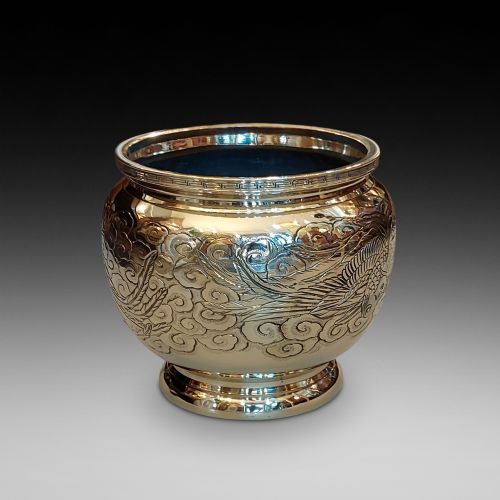
An oriental metalwork planter brings sculptural weight and intricate casting from the nineteenth and early twentieth centuries into a room.
Oriental Metalwork Planter
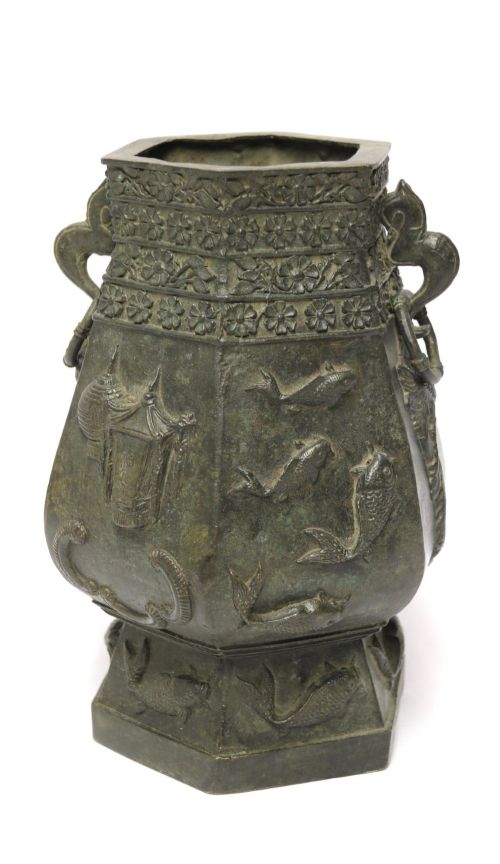
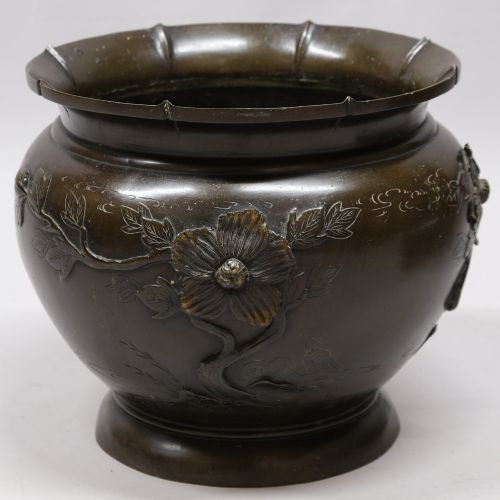
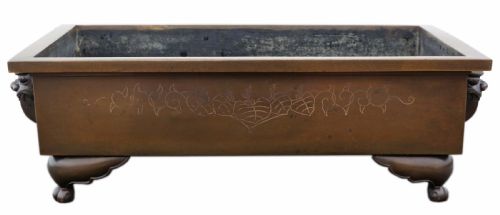
When you search for an oriental metalwork planter, you are looking at substantial vessels designed to hold plants or stand as decorative pieces, predominantly originating from Japanese Meiji, Edo, and Showa periods alongside Qing Dynasty China. The versions most commonly met on this page take the form of heavy bronze or brass jardinieres, bowls, and urns shaped in hexagonal or circular profiles.
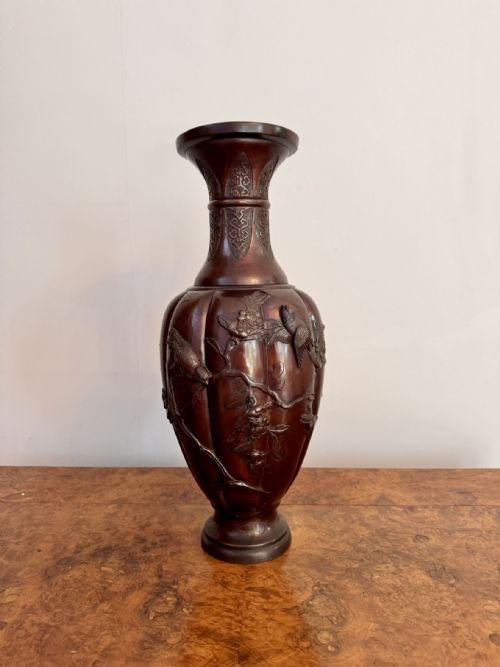
These items span periods from the mid-nineteenth century up to the early twentieth century, reflecting distinct phases of Asian metalworking exported to or collected in the West during the Victorian era. The forms range from wide bowl planters suited for water or greenery to tall decorative vases and Suiban Ikebana vessels intended for floral arrangement.
Materials and technique
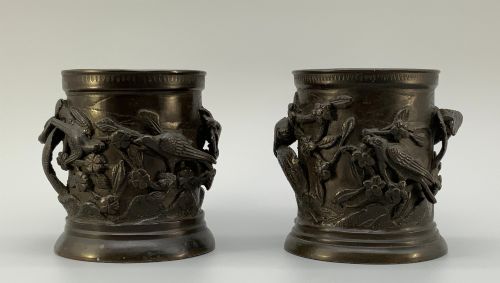
The objects seen here are constructed from solid bronze, patinated bronze, and brass, often cast with significant heft to ensure stability as containers. Makers employed traditional casting techniques to achieve intricate surface details, depicting motifs such as birds and blossoms.
Surface treatment plays a primary role in the finish, utilising patination processes to alter the tone and texture of the bronze. This chemical or natural darkening highlights the relief work and provides the characteristic aged appearance seen across the selection.
Oriental Metalwork Planter Retail Price Guide 2026
Typical asking prices for oriental metalwork planter among the pieces listed under this phrase on Sellingantiques today, from the lower quarter to the upper quarter. They describe what is for sale here now, not the wider market.
Recorded forms include hexagonal vessels, Suiban Ikebana basins, and traditional jardinieres originating from Japan and China.
Distinctions in quality
Quality in these metalwork pieces rests upon the crispness of the casting and the depth of the chased or applied decoration. Superior examples display sharply rendered motifs, balanced proportions, and careful finishing to the interior and exterior surfaces.
Weight and metal density further differentiate the range, with heavier vessels indicating a more substantial use of material. The sophistication of the patination and the subtlety of the artistic composition separate standard decorative items from finer works of the period.
The Oriental Metalwork Planter Glossary
- Jardiniere
- A decorative pot or stand designed to hold a plant or floral arrangement. These vessels are typically wider than they are tall and sit directly on tabletops or floors.
- Meiji Period
- The era in Japanese history spanning from 1868 to 1912, marked by the modernization of the country and a surge in export art that included fine bronze casting.
- Patinated Bronze
- Bronze that has been treated with chemical solutions or heat to produce a specific surface colour or aged finish. This process enhances the visual depth of chased details.
- Suiban Ikebana
- A shallow basin or tray utilised in traditional Japanese flower arrangement for holding water and supporting stems. They frequently appear in bronze among nineteenth-century exports.
- Edo Period
- The period in Japanese history lasting from 1603 to 1867, preceding the Meiji era and known for established artisanal traditions in metalwork.
Oriental Metalwork Planter: Frequently Asked Questions
How were these planters originally used?
These vessels served primarily as decorative jardinieres to hold potted plants or as water basins for traditional floral displays like Ikebana.
Many were also kept simply as ornamental urns or bowls within nineteenth-century interiors to display the metalworker's craft.
What metals are these pieces made from?
The listings consist entirely of bronze, patinated bronze, and brass objects.
These materials provided the durability and weight necessary for holding soil, water, and heavy botanical arrangements.
How do I care for a bronze planter?
Dust the surface gently with a dry, soft cloth and avoid using chemical cleaning agents or metal polishes that can strip the historic patina.
If used to hold live plants, place a waterproof liner inside the vessel to protect the interior metal from moisture damage.
How can I tell the period?
Dating relies on stylistic indicators linked to historical Japanese and Chinese eras, such as the Meiji or Edo periods, alongside Victorian import markers.
Form, casting style, and the character of the patination help narrow down the decade of manufacture.