




Oriental Lidded Porcelain Jar
An oriental lidded porcelain jar brings hand-painted colour and domestic history to a room.
Oriental Lidded Porcelain Jar
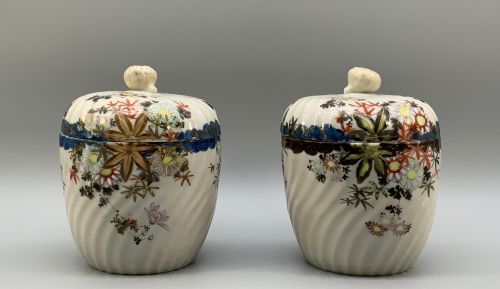
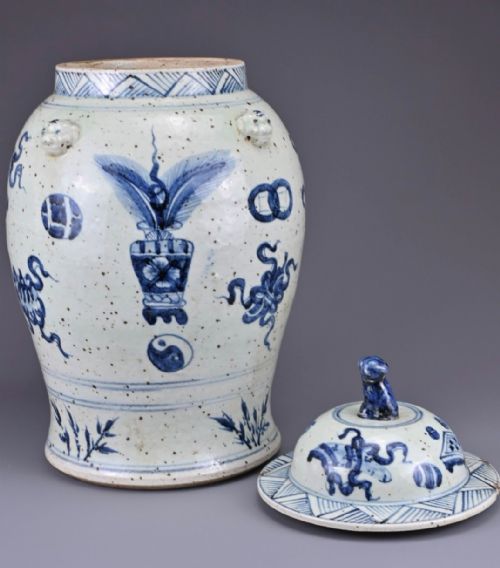
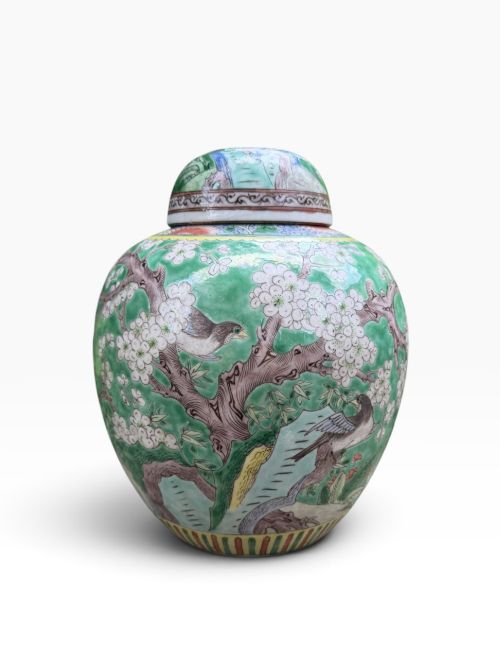
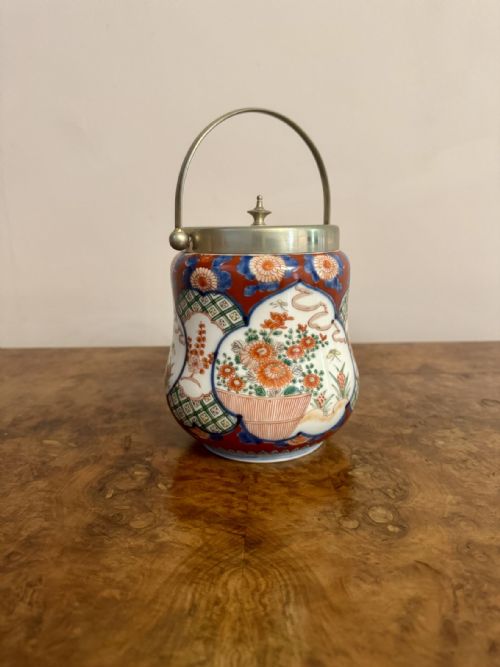
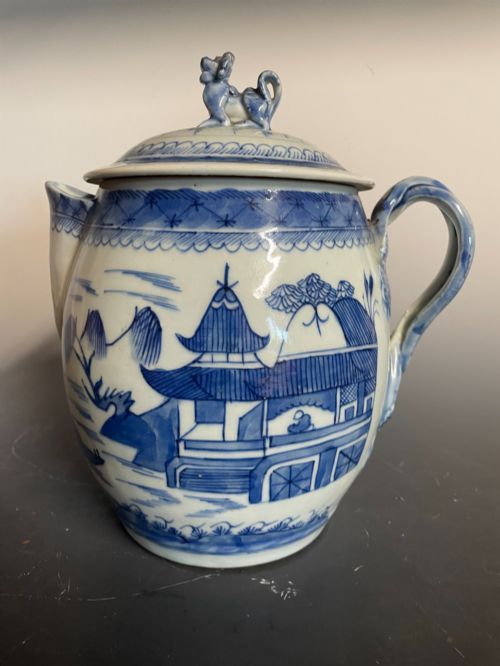
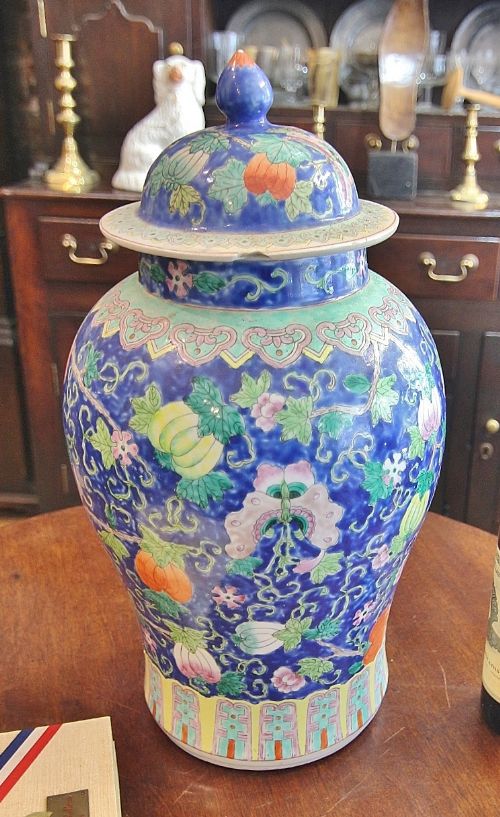
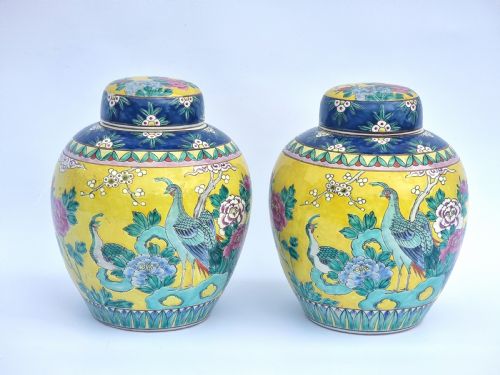
When you search for an oriental lidded porcelain jar, you encounter covered vessels originating from Japanese and Chinese kilns, spanning centuries of ceramic production. The form ranges from ginger jars and tea caddies to large baluster vases and biscuit barrels complete with matching covers.
The version you are most likely to meet on this page dates from the nineteenth century, reflecting the Meiji period in Japan and the Qing Dynasty in China. These pieces frequently showcase traditional East Asian motifs executed in rich palettes.
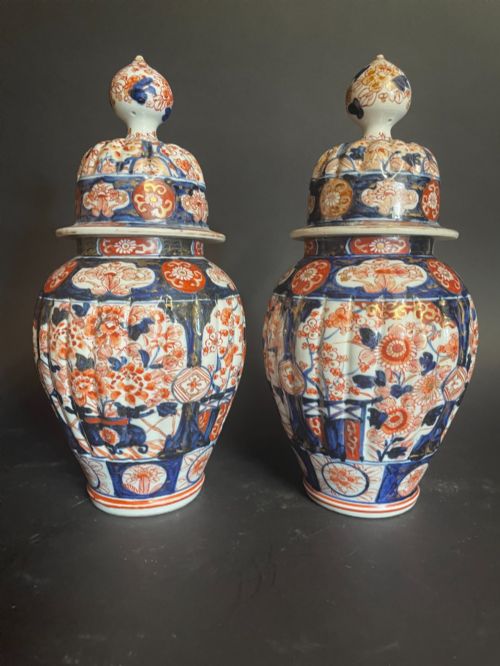
Japanese examples lean heavily towards Imari, Satsuma, and Kutani styles, whilst Chinese pieces commonly display blue and white decoration or elaborate enamel work such as Rose Mandarin and Famille Rose.
Materials and methods of construction
Potters shaped fine clay into body forms before applying cobalt glaze beneath a clear coat for blue and white pieces, or firing the glazed ceramic multiple times for enamel designs. Artisans then added gold leaf, gilding, and intricate overglaze enamels by hand.
Kiln workers utilised wood-fired kilns to achieve the vitrified porcelain body characteristic of these covered jars, ensuring durability alongside translucency. Covers were thrown to fit snugly over the rim of each vessel, maintaining the continuous lines of the design.
Listings feature porcelain pieces spanning the eighteenth, nineteenth, and twentieth centuries, alongside Victorian interpretations.
Distinguishing quality in porcelain jars
The upper tier of these vessels reveals itself through precision of hand-painted brushwork, where linework remains crisp and pigments retain depth across the entire surface. Superior pieces demonstrate careful symmetry in the thrown body and accurate registration of the cover to the base.
Standard or commercial production often displays hurried enamel application, muted gilding, and minor kiln imperfections in the glaze. The presence of finely detailed figural scenes or complex floral brocade work typically separates exceptional examples from ordinary wares.
Shozan
The Oriental Lidded Porcelain Jar Glossary
- Imari
- A style of Japanese porcelain originating from Arita, characterised by a distinctive palette of underglaze blue, iron red, and gilt highlights. These wares were heavily exported to Europe from the seventeenth century onwards.
- Satsuma
- Earthenware and porcelain from Japan decorated with fine crackle glaze, detailed polychrome enamels, and heavy gilding. Much of this work was produced for the export market during the Meiji period.
- Ginger jar
- A storage vessel featuring a broad shoulders, a short neck, and a fitted lid, originally used in China for packing spices and oil. Later examples served purely decorative functions in Western interiors.
- Famille Rose
- A palette of Chinese porcelain enamels dominated by an opaque pink or purple colour derived from colloidal gold. This style developed during the Qing Dynasty and gained immense popularity globally.
- Baluster
- A vase form characterised by a rounded body that tapers toward the base and swells near the shoulder. This shape provides a stable and expansive canvas for intricate painted scenes.
Oriental Lidded Porcelain Jar: Frequently Asked Questions
What were oriental lidded porcelain jars used for?
These vessels originally served practical domestic and commercial functions, storing dry goods, tea leaves, spices, and ginger within merchant households and trading vessels.
Over time, they transitioned into purely decorative interior objects, displayed on mantelpieces and side tables to demonstrate taste and worldly acquisition.
How should I clean my lidded porcelain jar?
Dust the exterior gently with a dry, soft microfibre cloth to remove surface particles without disturbing fragile overglaze enamels or aged gilding.
Avoid immersing antique pieces in water or using chemical cleaning agents, as moisture can penetrate hairline cracks and weaken historical repairs.
How do I date a nineteenth-century porcelain jar?
Examine the foot ring, glaze consistency, and hand-painted pigments under a strong light to identify the manufacturing characteristics of the period.
Reference the reigning dynasty, such as the Qing Dynasty, or stylistic eras like the Meiji period recorded on the specific piece.