




Oriental Jar Lamps
Oriental jar lamps bring striking ceramic bodies and rich historical palettes into modern rooms, turning antique vessels into practical illumination.
Oriental Jar Lamps
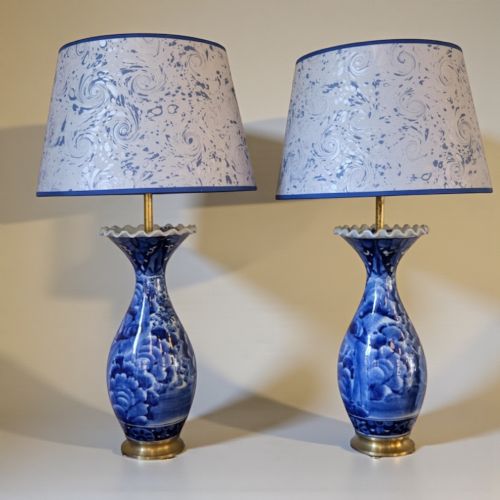
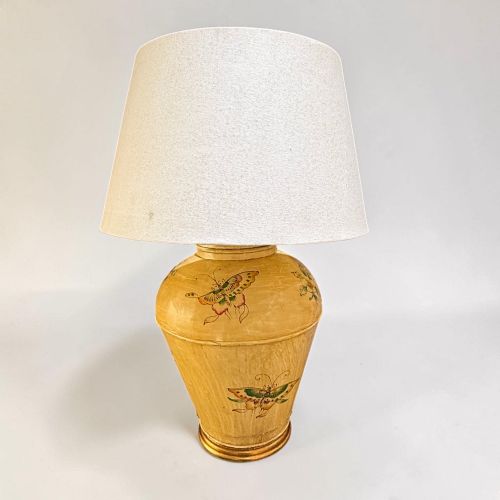
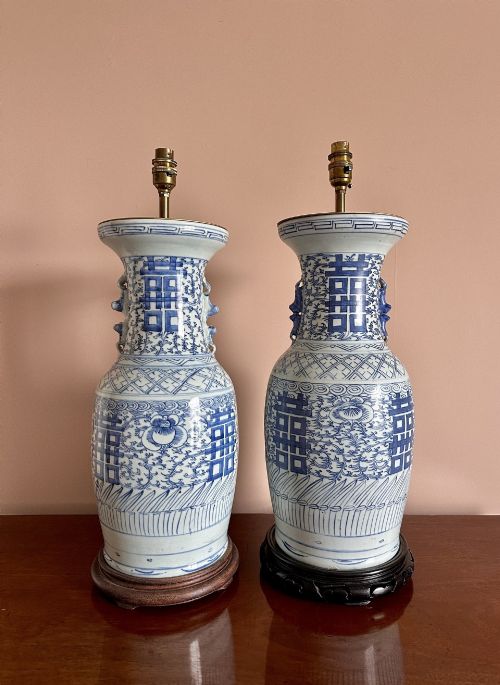
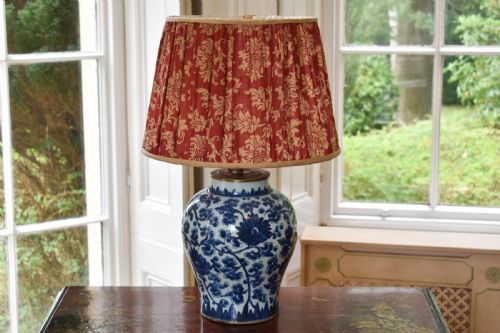
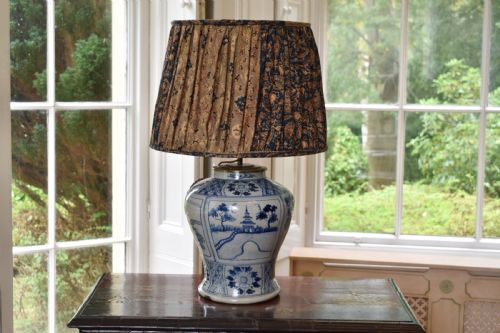
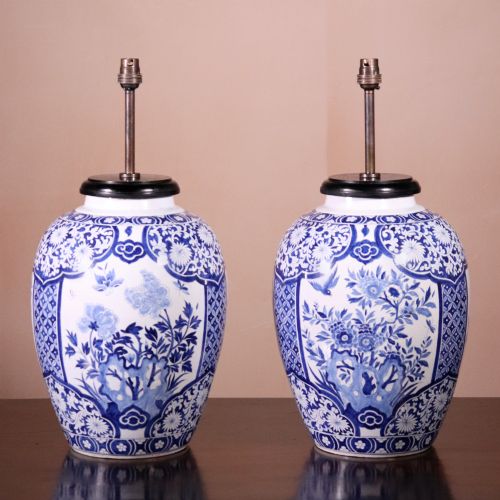
Oriental jar lamps consist of ceramic vases and ginger jars adapted into table lamps, drawing primarily from nineteenth-century Chinese export wares and Japanese production. The forms span from blue and white ginger jars to large celadon and polychrome vessels mounted for electrical use.
The body of the lamp typically retains its original hand-painted decoration, depicting floral motifs, prunus blossoms, or traditional landscapes. Brass and ormolu mounts frequently secure the ceramic base and electrical fittings.
Materials and construction
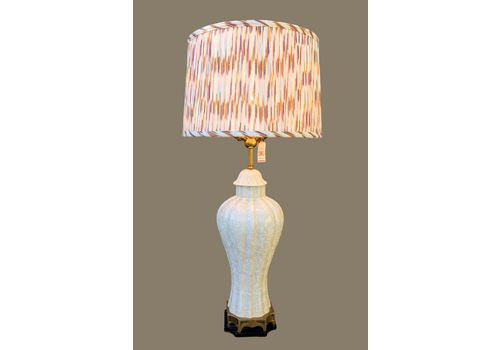
Porcelain serves as the primary medium for these vessels, shaped and fired in kilns across China and Japan before later conversion into lighting. Crackleware finishes, powder blue glazes, and gold leaf additions demonstrate the high degree of technical skill achieved by period potters.
Metal components such as brass and ormolu are frequently added to the base and collar of the vase to provide stability and mount the electrical hardware. Fabric and silk shades are subsequently paired with the ceramic bodies to complete the table lamps.
Oriental Jar Lamps Retail Price Guide 2026
Typical asking prices for oriental jar lamps among the pieces listed under this phrase on Sellingantiques today, from the lower quarter to the upper quarter. They describe what is for sale here now, not the wider market.
Factors of quality
Quality rests significantly on the crispness of the hand-painted ceramic decoration and the depth of the porcelain glaze. Pieces displaying finely rendered details in Famille Rose or blue and white pigments stand apart from simpler iterations.
The integration of metal mounts, such as cast ormolu collars and solid brass fittings, distinguishes superior conversions. Harmony between the scale of the ceramic jar and its supporting hardware dictates the overall visual balance.
The Oriental Jar Lamps Glossary
- Ormolu
- Gilded bronze mounts applied to furniture and ceramics. This decorative metalwork provides structural support and ornamentation to nineteenth-century lamp bases.
- Famille Rose
- A polychrome ceramic palette dominated by opaque pink enamel. Introduced in the Qing dynasty, this colour scheme decorates many ginger jar lamps.
- Imari
- Japanese export porcelain decorated in underglaze blue, iron red, and gold. These wares display complex panel designs often adapted into table lamps.
- Ginger Jar
- A high-shouldered ceramic storage vessel with a domed lid. These utilitarian jars form the primary body shape for this category of lighting.
- Crackware
- A ceramic glaze featuring a network of fine intentional cracks across the surface. This textural finish appears on numerous nineteenth-century Chinese vases.
Oriental Jar Lamps: Frequently Asked Questions
What is an oriental jar lamp?
An oriental jar lamp is a table lamp created by mounting a traditional Asian ceramic vase or ginger jar onto a stable base and adding electrical fittings.
These pieces combine antique porcelain bodies with modern lighting elements to function as decorative room illumination.
How do I date these lamps?
Dating relies upon examining the ceramic body, glaze characteristics, and any associated metal mounts or factory marks.
Nineteenth-century pieces often display hand-painted blue and white or polychrome designs typical of the Qing dynasty and Meiji period.
Where should I place them?
These lamps suit side tables, credenzas, and entrance halls where their vibrant ceramic glazes can act as focal points.
They pair well with traditional and eclectic interiors, providing ambient light while showcasing historic craftsmanship.
Are the shades original?
The fabric and silk shades found on these lamps are generally later additions chosen to complement the antique ceramic bases.
Original electrical wiring and shades are rarely retained from the nineteenth century due to safety standards and wear.