





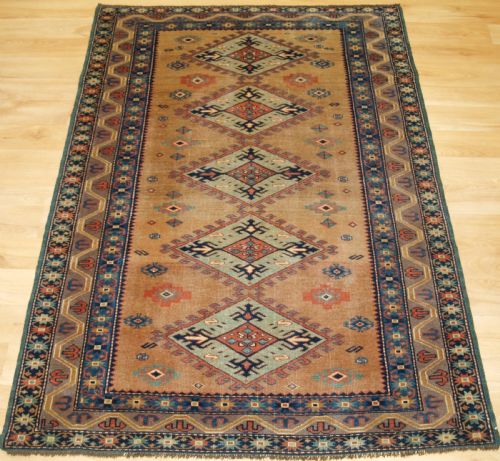


Oriental Flat Weave
An oriental flat weave brings texture and geometric pattern into a room through traditional nomadic and village craftsmanship.
Oriental Flat Weave
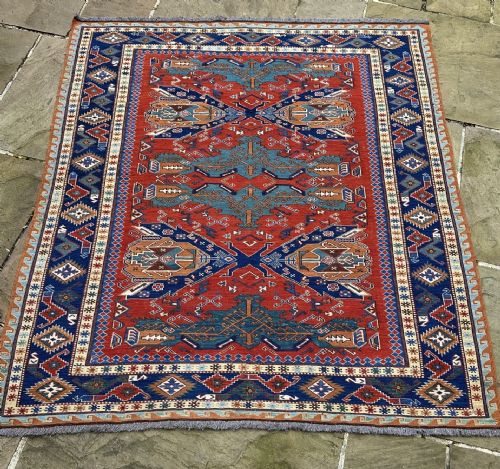
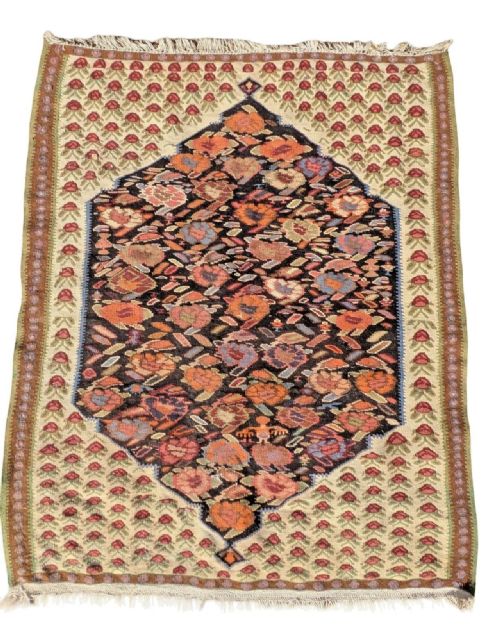
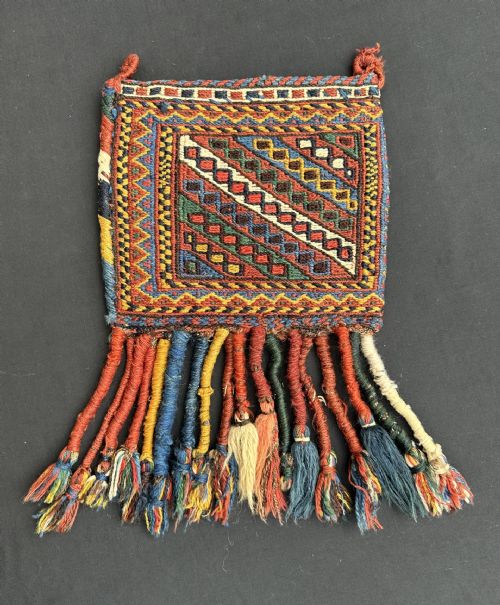
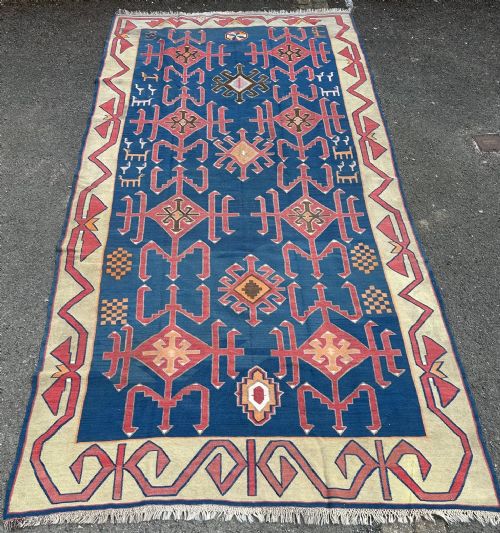
Buyers will encounter various regional styles, from banded Shirvan and Pirot designs to repeating medallions on Senneh and Kayseri kilims. Smaller formats like cushions and bag faces also appear, repurposed from larger textiles or woven independently by tribal groups. These items lack a pile, relying instead on interlocking weft techniques that produce a flat, durable fabric suitable for floors and walls.
How they were made
The construction relies on hand-spun wool and cotton, worked by hand to create sturdy tapestries and Soumak weaves without a knotted pile. Artisans utilised natural dyes to colour the wool, yielding softer palettes and banded designs that settle into gentle patinas over decades of light exposure. Certain pieces employ specific structural methods, such as being woven in two separate parts and joined down the centre.
Nomadic weavers incorporated traditional motifs unique to their regions, ranging from eye-dazzler geometric patterns to intricate prayer niches. The tension of the weave and the quality of the wool determine the weight and drape of each rug, runner, or storage pouch.
Oriental Flat Weave Retail Price Guide 2026
Typical asking prices for oriental flat weave among the pieces listed under this phrase on Sellingantiques today, from the lower quarter to the upper quarter. They describe what is for sale here now, not the wider market.
What varies in quality
The fineness of the weave separates standard utility items from exceptionally accomplished tribal works, with tighter thread counts allowing for sharper geometric lines. The complexity and clarity of the design also set pieces apart, distinguishing repeating medallions and scarce banded layouts from simpler village productions.
The condition of the wool and the preservation of natural dye colours influence the visual strength of a textile. Original finishes, such as intact kilim ends or well-preserved Soumak wrapping, add considerable character to mid-nineteenth to early-twentieth-century examples.
The Oriental Flat Weave Glossary
- Kilim
- A flat-woven carpet or rug produced without a pile by tightly interweaving warp and weft strands. This technique creates a lightweight textile with identical patterns visible on both sides.
- Soumak
- A brocade-like flat-weave technique where extra weft threads are wrapped around the warp threads before being bound. This method provides a heavier structure and a textured surface.
- Khorjin
- A traditional tribal saddlebag woven to carry possessions during nomadic migrations. Surviving examples often appear as complete pairs or individual bag faces used for decorative display or cushions.
- Prayer Rug
- A textile featuring a Mihrab or niche design indicating the direction of prayer. These pieces were utilised personally by villagers and nomads.
- Warp
- The stationary vertical threads stretched onto a loom that form the structural foundation of the textile. Weft threads are passed horizontally through these foundational strands.
Oriental Flat Weave: Frequently Asked Questions
What is an oriental flat weave?
An oriental flat weave is a pileless textile produced by tribal and village weavers in regions such as the Caucasus, Anatolia, and Persia.
These pieces include utilitarian items like carpets, runners, and storage pouches constructed using tapestry or Soumak techniques.
How were flat weaves used originally?
Nomadic and village communities utilised these textiles on floors, as tent dividers, and for transporting belongings during seasonal migrations.
Pouches and half-saddlebags served practical storage functions before surviving as decorative furnishings today.
How do I care for a vintage kilim?
Protect the flat weave by placing an appropriate underlay beneath it to prevent slipping and reduce friction against hard flooring.
Vacuum gently using a suction-only attachment without a rotating brush bar to preserve the hand-spun wool fibres.
How do I identify different regional styles?
Regional styles are distinguished by specific colour palettes, geometric motifs, and weaving structures native to areas like Shirvan, Senneh, or Pirot.
Examining the border designs and the specific shade of natural dyes helps determine the likely origin of the textile.