






Oriental Export Chest
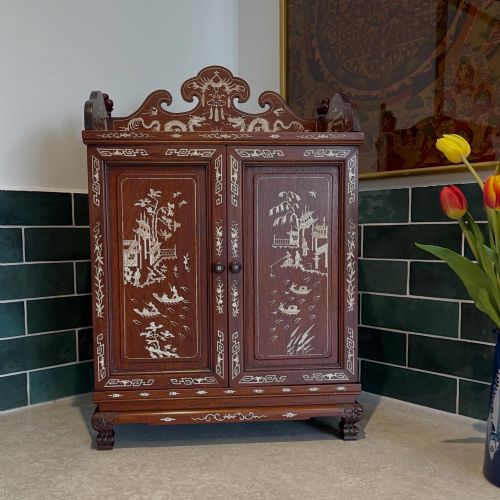
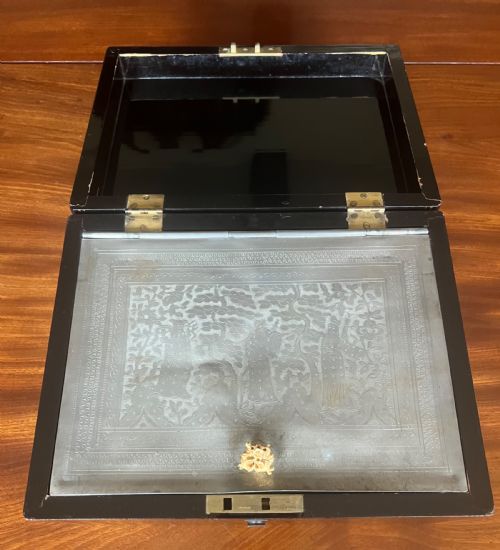
An oriental export chest is a sturdy trunk or cabinet made for trade, prized for its aromatic camphor wood and decorative lacquer surfaces.
Oriental Export Chest
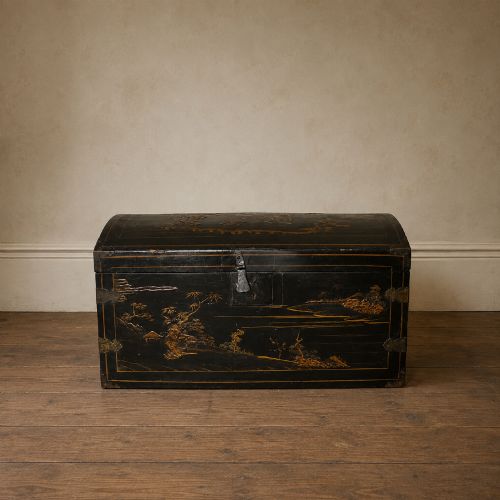
When you search for an oriental export chest, you encounter large trunks, compact table cabinets, and elaborate coffers made for the international market. These pieces bridge Eastern craftsmanship with Western utility, serving as travel luggage, tea storage, or household storage.
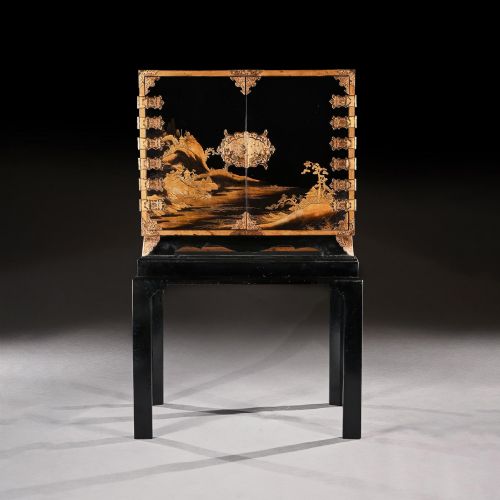
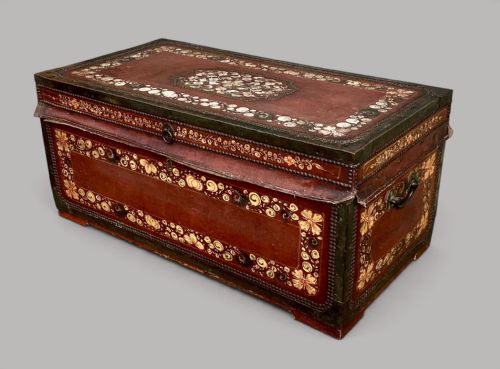
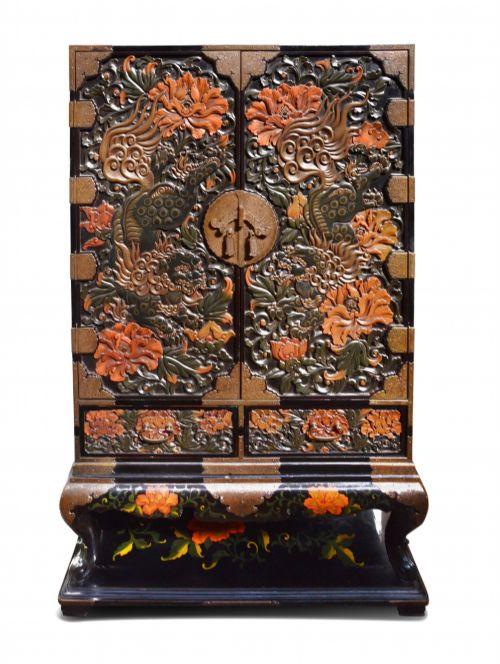
The most common examples on this page are nineteenth century camphor wood trunks and leather-covered chests adorned with brass binding. You also find lacquered cabinets on stands originating from periods spanning the seventeenth to the twentieth century.
Originating primarily from China and Japan under trade systems such as the China Trade, these items reflect specific cultural periods including the Qing Dynasty, Edo Period, and Japanese Meiji era.
Materials and Construction
Cabinet makers utilised durable timbers like camphor wood, renowned for repelling insects, alongside general hardwoods for structural frames. These surfaces were frequently finished with black or red lacquer, pig skin, or leather.
Decoration relied on applied techniques including gold leaf, gilt ornamentation, hand carving, and polychrome painting. Brass binding, corners, and mounts provided both reinforcement for long-distance shipping and striking visual contrast.
Oriental Export Chest Retail Price Guide 2026
Typical asking prices for oriental export chest among the pieces listed under this phrase on Sellingantiques today, from the lower quarter to the upper quarter. They describe what is for sale here now, not the wider market.
Several chests double as robust coffee tables, proving that historical luggage makes exceptionally sturdy household furniture.
Assessing Quality and Execution
Quality rests in the depth and precision of the carved details on camphor wood and the execution of the gilt decoration on lacquered surfaces. Superior examples display crisp handling of motifs and meticulous application of gold leaf.
Structural integrity depends on the quality of the brass mounts and the preservation of the original leather or lacquer finishes. Pieces retaining their fitted interior compartments or original stands command greater interest among collectors.
The Oriental Export Chest Glossary
- Camphor Wood
- A fragrant timber native to Asia, traditionally selected for trunks and chests because its natural scent protects stored textiles from moths.
- China Trade
- The commerce between China and Western nations, particularly active during the eighteenth and nineteenth centuries, producing goods tailored for European and American markets.
- Edo Period
- The period in Japanese history lasting from 1603 to 1868, known for fine lacquerware and cabinet making.
- Meiji Period
- The era in Japan spanning from 1868 to 1912, characterised by opening trade and distinctive decorative arts.
- Cofer
- A large strongbox or chest used historically for storing valuables, travelling, or keeping garments.
- Chinoiserie
- European artistic style reflecting Chinese motifs and techniques, though export pieces were made directly in Asia for export.
Oriental Export Chest: Frequently Asked Questions
What is an oriental export chest?
An oriental export chest is a trunk, box, or cabinet made in Asia for export to Western markets during past centuries. They were built for travel, trade, and domestic storage.
These pieces combine utilitarian construction with decorative finishes like lacquer, brass binding, and hand-carved wood.
How were camphor wood trunks used?
Camphor wood trunks served as travel luggage for merchants and officers moving goods across oceans. The natural aroma of the timber kept insects away from stored clothing.
Today, they function as decorative coffee tables, blanket boxes, and bedroom storage chests.
What is the difference between a chest and a cabinet?
Chests are typically lidded trunks designed for bulk storage of textiles and personal possessions. Cabinets feature doors, drawers, and sometimes dedicated stands for displaying objects or storing smaller items.
Table cabinets and cabinets on stands offer tiered storage compared to the open interior of a standard trunk.
How do I identify the period of a trunk?
Dating relies on materials, construction methods, and stylistic markers such as Qing Dynasty or Meiji Period aesthetics. Brass mounts, lock plates, and painted lacquer details often indicate the manufacturing era.
Earlier pieces from the seventeenth and eighteenth centuries show distinct construction techniques compared to mass-produced items from the twentieth century.