


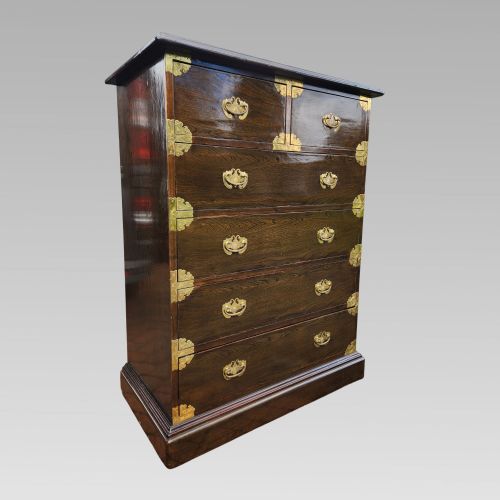


Oriental Drawer Chest
These oriental drawer chest pieces combine traditional storage with striking decorative finishes.
Oriental Drawer Chest
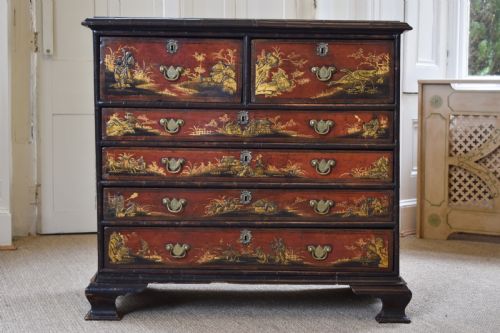
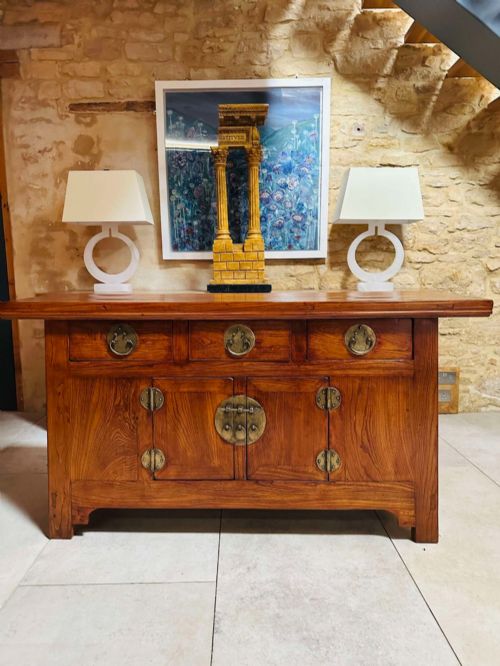
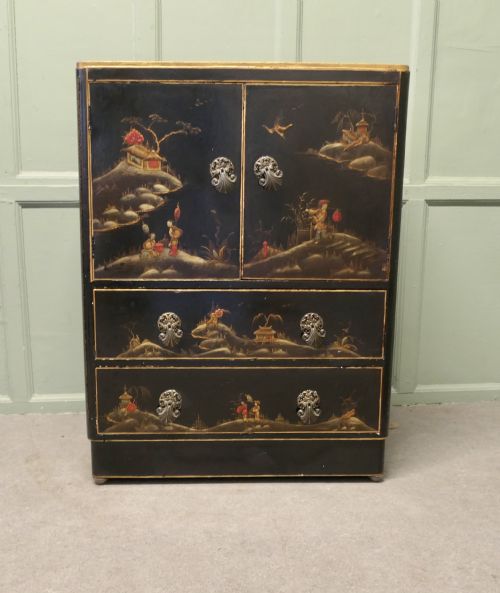
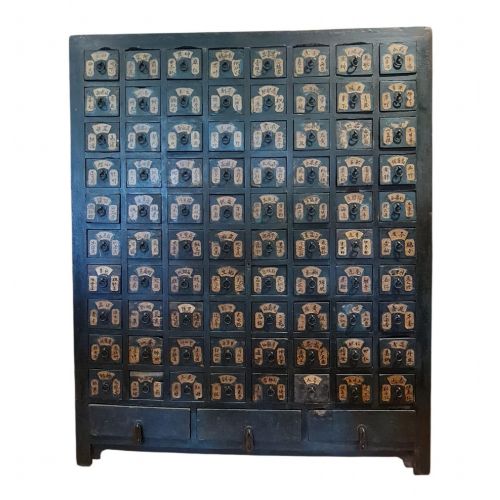
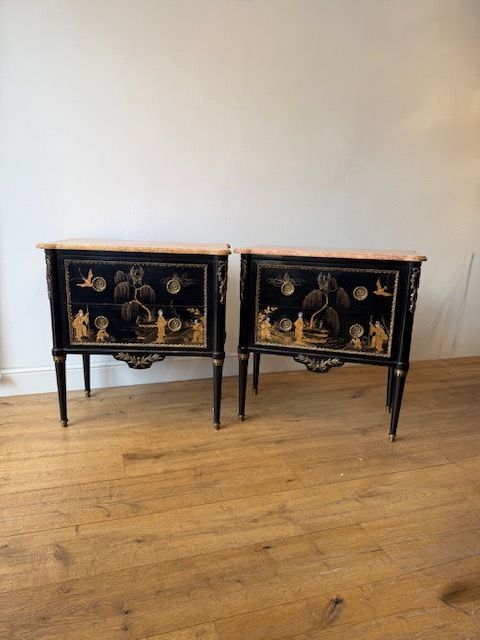
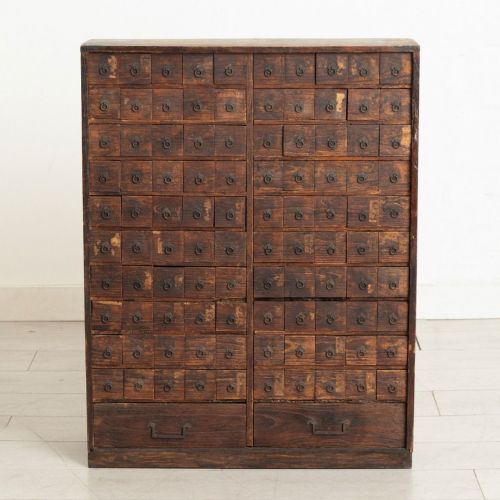
When you search for an oriental drawer chest, you encounter a diverse range of multi-drawer storage pieces spanning centuries. The selection includes Chinese elm apothecary chests, Japanese tansu cabinets, and European pieces decorated in the chinoiserie taste.
Elm, cedar, and lacquered wood form the physical basis for many of the Chinese and Japanese pieces seen here. Apothecary chests with numerous small drawers and portable table cabinets appear frequently alongside larger bedroom and storage formats.
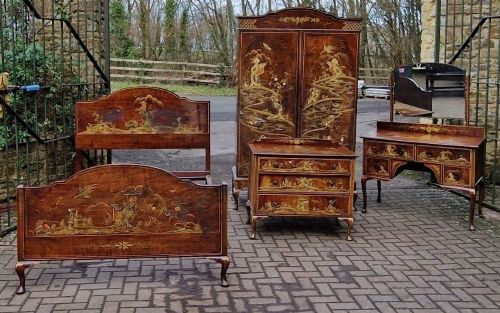
The aesthetic reaches from provincial 18th century examples to refined 19th century Meiji period works and early 20th century interpretations. Buyers find everything from utilitarian kitchen tansu to decorative lacquered commodes and storage chests.
Materials and Construction
Makers utilised native hardwoods such as elm, cedar, and zelkova, often pairing them with iron or brass hardware for structural reinforcement and visual contrast. Elm and cedar provide sturdy carcasses that support heavy usage while allowing for fine grain definition.
Surface finishes rely heavily on black, red, or multi-coloured lacquer applied over wood substrates, sometimes combined with japanning or hand-painted chinoiserie scenes. Metal mounts, hinges, and drawer pulls in iron and brass secure the joints and punctuate the dark lacquer surfaces.
Oriental Drawer Chest Retail Price Guide 2026
Typical asking prices for oriental drawer chest among the pieces listed under this phrase on Sellingantiques today, from the lower quarter to the upper quarter. They describe what is for sale here now, not the wider market.
One Japanese cabinet travels ready for action on its own wheels.
Quality and Execution
Superior examples demonstrate precision in the joinery of numerous small drawers, particularly in apothecary cabinets and tansu chests where fitting many compartments requires exact woodworking. The stability of the underlying elm or cedar carcass and the crispness of the metal fittings distinguish finer pieces.
The depth and preservation of the lacquer or japanning determine visual success, with better pieces showing minimal loss to hand-painted details or pigmented finishes. Original hardware and undisturbed surface patination elevate a piece above later restorations.
The Oriental Drawer Chest Glossary
- Tansu
- Traditional Japanese mobile storage cabinetry, often constructed from cedar or elm with iron mounts. These pieces range from kitchen units to multi-drawer merchant chests.
- Chinoiserie
- European theatrical interpretation of Chinese and East Asian artistic styles, popular in furniture decoration during the 18th and early 20th centuries.
- Apothecary chest
- Cabinet featuring numerous small drawers designed for storing medicinal herbs, spices, or specimens. Examples in this category often originate from Shanxi province.
- Japanning
- European imitation of East Asian lacquerwork, built up in layers of varnish and heat-cured before decoration. It frequently appears on 18th century chests on stands.
- Kodansu
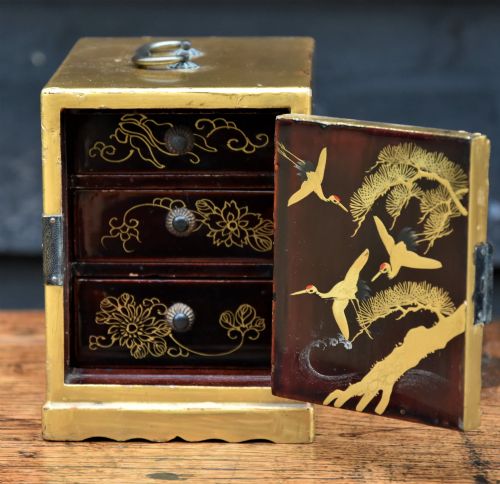
- Small Japanese table-top cabinet featuring internal drawers or compartments for precious items. These miniature storage pieces often incorporate elaborate metalwork.
Oriental Drawer Chest: Frequently Asked Questions
What is a tansu chest?
A tansu is a traditional Japanese mobile storage cabinet built from woods like cedar and elm.
These pieces feature robust iron handles and mounts designed for portability and daily utility.
How are apothecary cabinets used?
Chinese apothecary chests contain dozens of small drawers originally intended for medicinal herbs and dried ingredients.
Modern interiors utilise them as statement storage for small collections, desk supplies, or tabletop organisation.
What distinguishes chinoiserie furniture?
Chinoiserie describes European decorative arts inspired by Chinese design motifs and lacquer techniques.
Items often display painted oriental scenes, figures, and landscapes rendered in gold and colour over black or dark lacquer.
How do I identify a Meiji period piece?
Meiji period items date from the late 19th to early 20th centuries in Japan, a time of exceptional craftsmanship.
These pieces frequently combine dense hardwoods with intricate bronze animal decoration or refined lacquered finishes.