
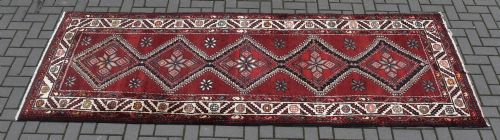


Oriental Diamond Medallion Rug
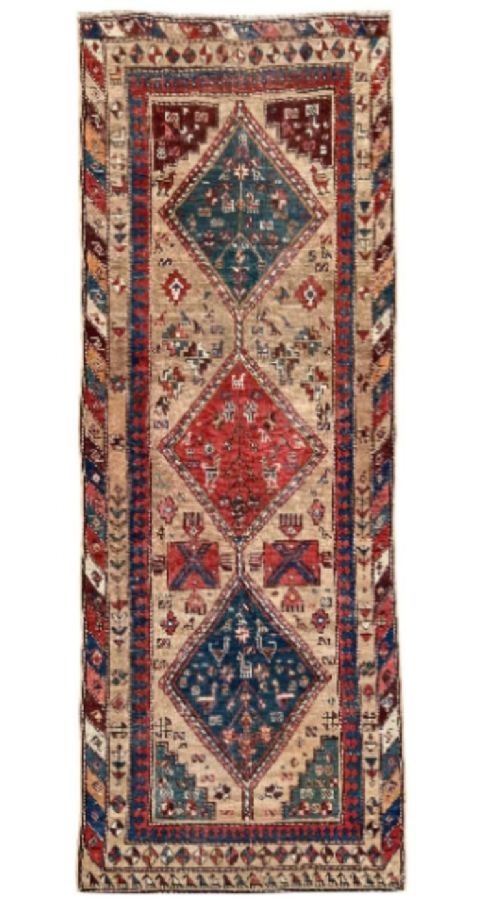
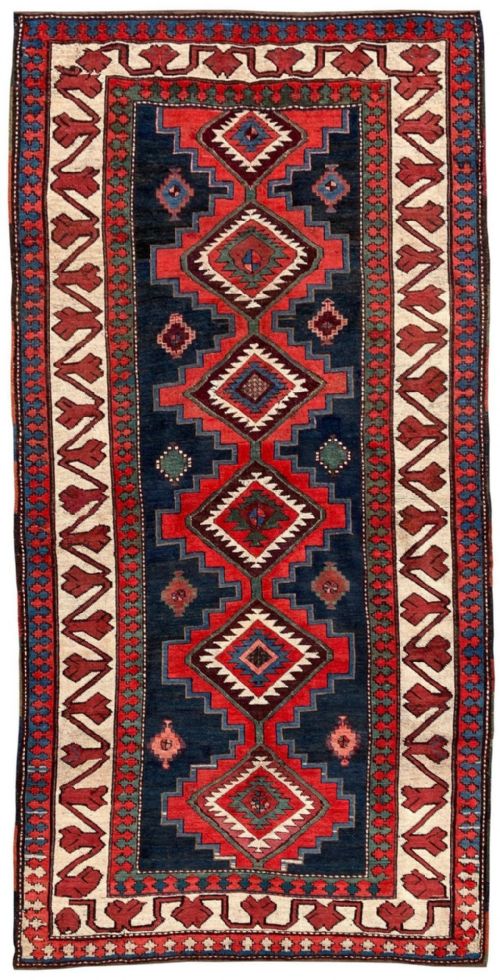
An oriental diamond medallion rug brings tribal geometry and saturated wool into a room with the grounded authority of the nineteenth and early twentieth centuries.
Oriental Diamond Medallion Rug
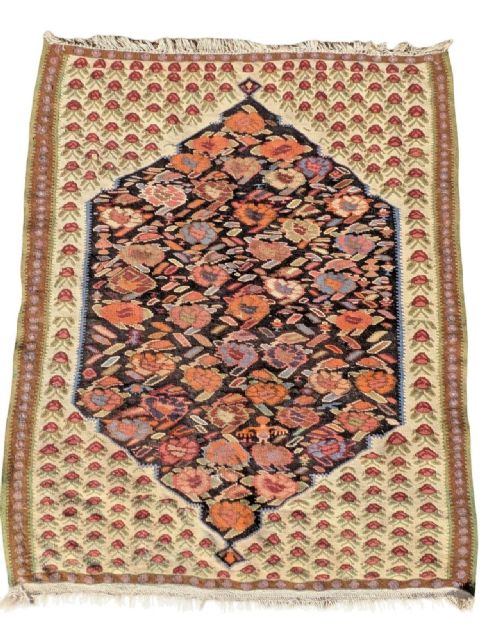
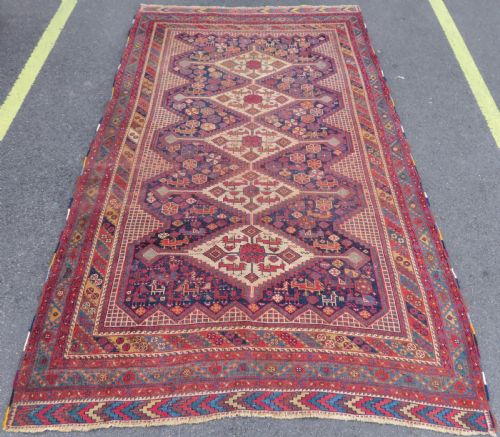
An oriental diamond medallion rug groups woven floor coverings from Persian, Caucasian, and Anatolian traditions that share a central geometric focus.
The selections found here span from the nineteenth century into the 1940s, taking the form of area rugs, long runners for hallways, and room-sized carpets.
Village and tribal weavers created these pieces using traditional methods, resulting in sturdy floor coverings filled with repeating motifs, birds, and animals.
Assessing the grade
Knot density and the precision of the geometric layout dictate the formal discipline of the weaving.
The vibrancy and depth of the natural dyes separate standard village pieces from exceptional tribal examples.
The Oriental Diamond Medallion Rug Glossary
- Medallion
- A central ornamental motif, often diamond-shaped, set into the field of the rug. It forms the primary focal point of the design.
- Kilim
- A flat-woven carpet or rug made without a pile. These pieces utilise slit-weave techniques to create sharp geometric patterns.
- Runner
- A long, narrow carpet format designed specifically for hallways and corridors. They guide movement through domestic spaces.
- Boteh
- A traditional teardrop or paisley motif representing a floral spray or cypress tree. It appears frequently in tribal borders and fields.
- Kazak
- A style of Caucasian rug known for bold geometric medallions and primary saturated colours. They originate from nineteenth-century weaving traditions.
Oriental Diamond Medallion Rug: Frequently Asked Questions
How do I clean an antique rug?
Gentle surface brushing and professional specialist washing maintain the wool fibres without disturbing the natural dyes. Avoid harsh chemical detergents and excessive water.
Allow the piece to dry flat in a shaded area. Regular rotation prevents uneven wear patterns across high-traffic zones.
Can I place these rugs in hallways?
Runner formats suit narrow spaces and hallways perfectly when paired with a quality underlay. The robust wool construction handles daily foot traffic effectively.
Ensure the rug is secured to prevent slipping on smooth wooden or tiled floors.
What causes colour variations in wool?
Natural dyes react differently to individual batches of wool, producing subtle tonal shifts known as abrash across the field. This variation confirms the use of traditional dyeing methods.
Over decades, sunlight and gentle wear soften these tones into a unified patina.
How are different regional styles identified?
Caucasian pieces tend to feature sharp, angular geometry and primary colour palettes. Persian and Anatolian village rugs often incorporate softer curves alongside animal and floral motifs.
Border designs and structural density provide further clues to the specific tribal origin.