





Oriental Ceramic Holder
An oriental ceramic holder is a vessel made for scholars or display, and these pieces bring hand-painted pigments and sculpted forms into a room.
Oriental Ceramic Holder
An oriental ceramic holder encompasses items designed to store scholar's tools, burn incense, or contain umbrellas and plants. The selection includes brush pots, incense burners, vases, and umbrella stands originating from various periods and traditions.
The pieces on this page span from the seventeenth century through to the early twentieth century, showing influences from the Qing Dynasty, Meiji Period, and Chinese Export styles. Forms range from cylindrical bitong vessels to larger umbrella stands and intricate tulipieres.
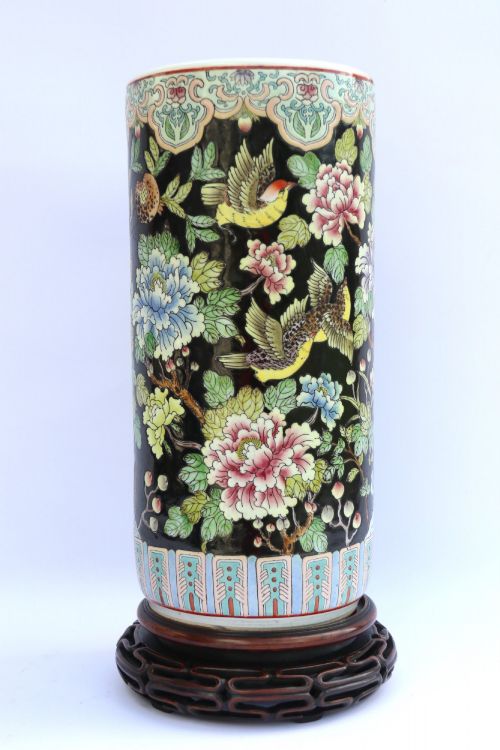
Buyers seeking an oriental ceramic holder will encounter earthenware and porcelain bodies decorated with enamel, glaze, and gilt. Many items reflect specific stylistic traditions such as famille rose, famille noire, and powder-blue glazes.
How they were made
The makers utilised ceramic, porcelain, and earthenware as the primary bodies for these vessels, often shaping them on the wheel or in moulds before firing. Surfaces were then finished with enamel, glaze, or gilt to add colour and texture.
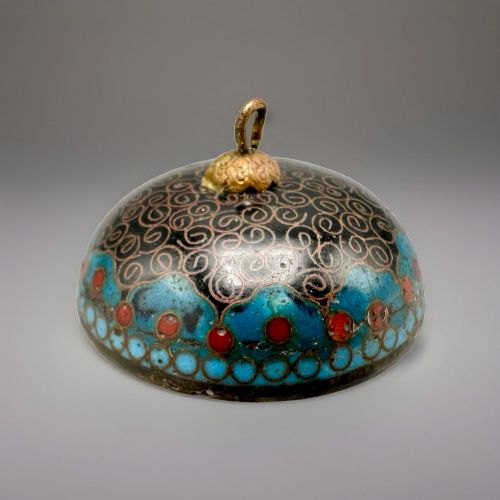
Decoration techniques involved hand-painted enamel scenes depicting scholars, figures, dragons, and floral motifs, alongside powdered blue or yellow ground applications. Some items combined ceramic bodies with bronze mounts or cloisonne enamel work.
Oriental Ceramic Holder Retail Price Guide 2026
Typical asking prices for oriental ceramic holder among the pieces listed under this phrase on Sellingantiques today, from the lower quarter to the upper quarter. They describe what is for sale here now, not the wider market.
A smiling ceramic boy sits quietly on an incense holder, keeping watch over the smoke.
What varies in quality
The quality of an oriental ceramic holder depends upon the precision of the brushwork and the depth of the glaze. Finer examples display crisply rendered figures and controlled pigment application rather than hasty washes.
Materials and marks also distinguish the pieces, with well-executed Qianlong marks or specific period glazes elevating a work. The integration of original stands or mounts contributes to the overall integrity of the object.
The Oriental Ceramic Holder Glossary
- Bitong
- A cylindrical brush pot used by scholars in East Asian traditions to hold writing brushes. These vessels are typically made from porcelain or ceramic.
- Famille Rose
- A palette of opaque rose-pink enamel introduced in Chinese porcelain decoration during the eighteenth century. It allows for subtle gradations of tone in floral and figural scenes.
- Famille Noire
- A ceramic decoration style defined by a black enamel ground, often contrasted with green, yellow, and aubergine pigments on floral or figurative motifs.
- Cloisonne Enamel
- A metalwork technique where enamel paste is applied within compartments formed by soldered wire strips. The piece is then fired and polished smooth.
- Tulipiere
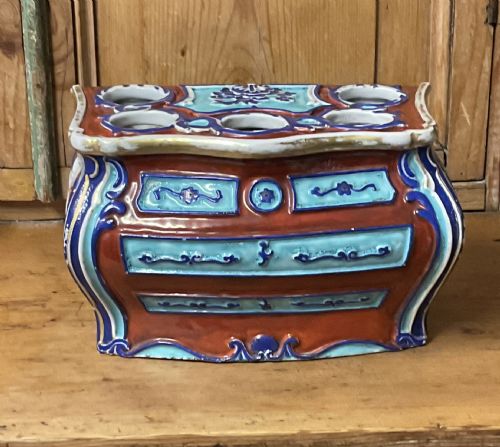
- A vessel with multiple spouts designed to hold individual flower stems, adapted in various ceramic traditions. They often feature moulded details and distinct glazes.
Oriental Ceramic Holder: Frequently Asked Questions
What is a bitong?
A bitong is a cylindrical vessel traditionally used by scholars to hold writing brushes. They are commonly found in porcelain and ceramic with painted decoration.
These pieces sat on scholar's desks and formed part of the essential equipment for writing and painting in historical households.
How were incense holders used?
Incense holders and burners were utilised to hold burning incense sticks or cones during quiet contemplation, ceremonies, or to scent a room. Their forms allowed ash to be contained safely.
Many examples take sculptural shapes, such as figures or animals, blending practical function with decorative display.
How do I identify a Qing Dynasty piece?
Qing Dynasty items often display specific stylistic traits such as famille rose or famille noire enamel palettes, alongside cyclical or reign marks. The weight and finish of the porcelain provide further clues.
Examining the base and the style of the hand-painted figures helps distinguish these works from later revival pieces.
Where were umbrella stands placed?
Large ceramic umbrella stands and stick stands were designed for hallways and entranceways to hold walking sticks, canes, and umbrellas. Their heavy ceramic bodies provided stability.
These functional objects allowed households to display large-scale painted or glazed ceramics in high-traffic domestic spaces.