

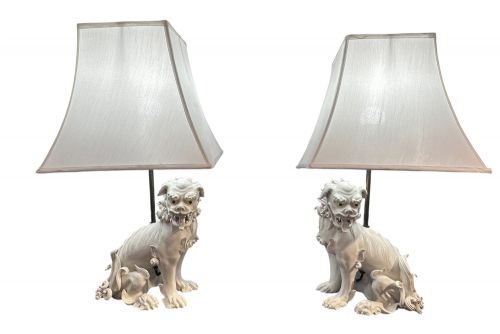


Oriental Ceramic Desk Lamp
An oriental ceramic desk lamp brings centuries of Far Eastern craftsmanship directly onto a writing table, offering both ambient illumination and historic weight.
Oriental Ceramic Desk Lamp
When searching for an oriental ceramic desk lamp, buyers encounter antique vessels transformed into functional lighting through careful mounting. These pieces originate primarily from Chinese and Japanese kilns, spanning periods from the late seventeenth century through the Victorian era and the early twentieth century.
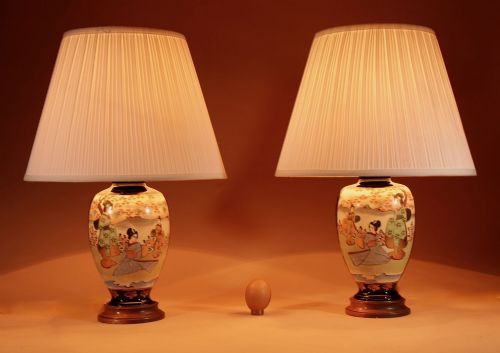
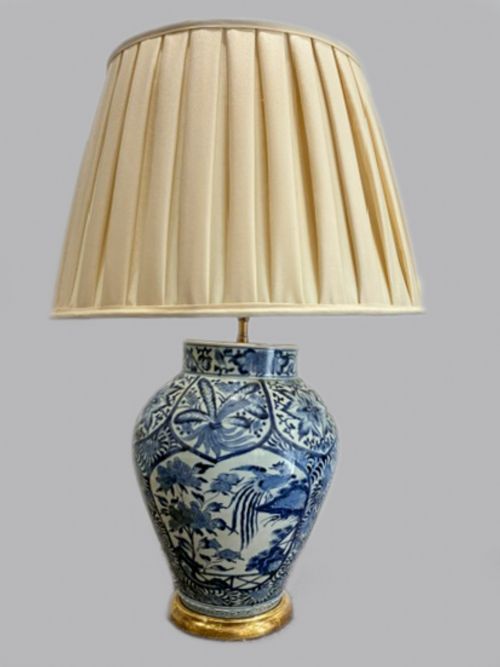
The common form on this page is the table or desk lamp created from a converted vase, ginger jar, or spill vase. Common examples include blue and white porcelain, Satsuma ware, and Imari pieces paired with brass, wood, or fabric shades.
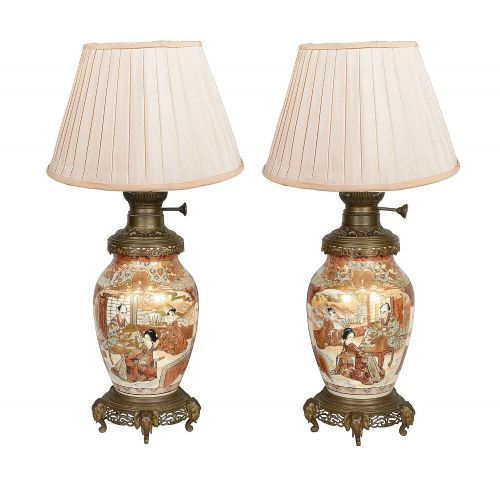
Originating as decorative vessels, these objects gain a second life on desks and sideboards. The conversion respects the ceramic body, often integrating ormolu mounts to secure the electrical fittings.
Materials and Conversion Techniques
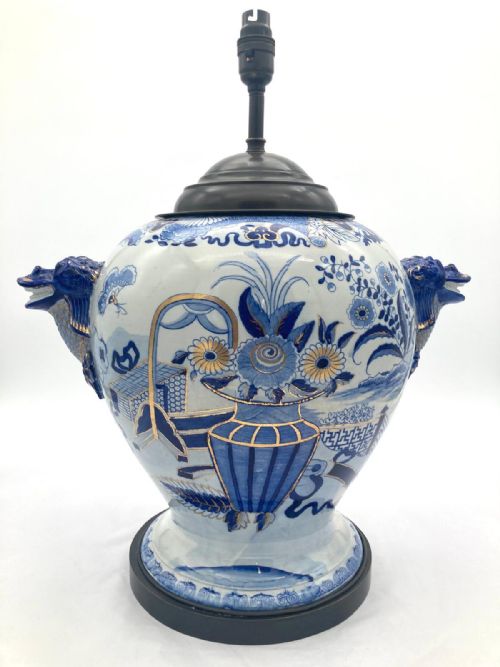
Makers utilised porcelain, earthenware, and ironstone shaped into baluster, ginger jar, and vase forms. These ceramic bodies received hand-painted glazes, including famille verte, famille rose, celadon, and blue and white designs.
Conversion into lighting required mounting the ceramic base to materials such as brass, wood, or gilt bronze. Silk and fabric shades completed the assembly, while some pieces incorporated ormolu mounts to bridge the antique vessel and the modern electrical hardware.
Listings feature porcelain and earthenware bodies spanning the seventeenth to the early twentieth century, including Chinese blue and white and Japanese Satsuma.
Distinctions in Quality
Quality rests upon the preservation of the original ceramic body and the historical harmony of the conversion. Vases retaining crisp hand-painted glazes without heavy restoration stand apart from routine examples.
The execution of the mounting separates superior pieces from basic alterations. Solid brass or ormolu mounts that complement the period of the ceramic indicate a higher standard of workshop practice.
Hicks and Meigh·Samson
The Oriental Ceramic Desk Lamp Glossary
- Satsuma
- Earthenware from the Satsuma province in Japan, characterised by an ivory crackle-glaze and detailed polychrome enamel painting.
- Famille Verte
- A porcelain palette dominated by green enamels, developed during the Qing Dynasty and popular across the nineteenth century.
- Ormolu
- Gilt bronze mounts applied to furniture and ceramics, providing decorative stability and aesthetic enhancement.
- Imari
- Japanese porcelain featuring a distinct colour scheme of underglaze blue, iron red, and gilt, produced for export.
- Celadon
- Pale green jade-like glaze applied to stoneware and porcelain, prized for its subtle tone and antiquity.
Oriental Ceramic Desk Lamp: Frequently Asked Questions
Are these lamps converted from real antiques?
Many lamps on this page utilise authentic nineteenth-century or earlier ceramic vessels that were adapted for electrical use.
Conversion methods vary, but the ceramic bodies retain their historic glazes and origins from Chinese and Japanese kilns.
How do I identify Satsuma ware?
Satsuma ceramics display a characteristic cream-coloured earthenware body with a fine network of crackled glaze.
Painters decorated these surfaces with dense enamel patterns, often depicting figures or floral motifs in raised gold.
What is the difference between Famille Rose and Famille Verte?
Famille Verte relies primarily on a green enamel palette combined with iron red and other colours, originating in the seventeenth century.
Famille Rose, emerging later, introduces an opaque pink enamel derived from colloidal gold, shifting the tonal range.
Can these lamps be safely used on a desk?
These pieces function effectively as desk or table lighting when wired to modern electrical safety standards.
Buyers should inspect the cord and fitting while appreciating the historic ceramic body that forms the base.