

Oriental Ceramic Bowl
An oriental ceramic bowl brings centuries of East Asian artistry into daily surroundings through hand-painted scenes and traditional forms.
Oriental Ceramic Bowl
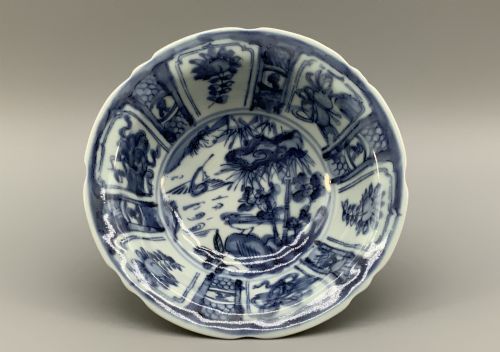
When you search for an oriental ceramic bowl, you encounter vessels originating from China and Japan across multiple centuries, including pieces from the Kangxi period and the Meiji period. These items range from small tea cups and stem cups to large punch bowls, jardinieres, and decorative dishes.
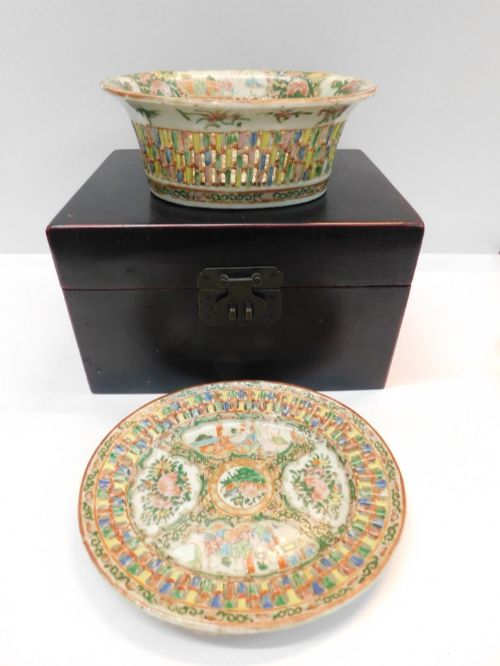
The specimens met most frequently on this page belong to the nineteenth century, alongside earlier eighteenth-century examples and productions from around nineteen hundred. Forms vary from simple lobed and scalloped shapes to chamfered square vessels and reticulated chestnut baskets.
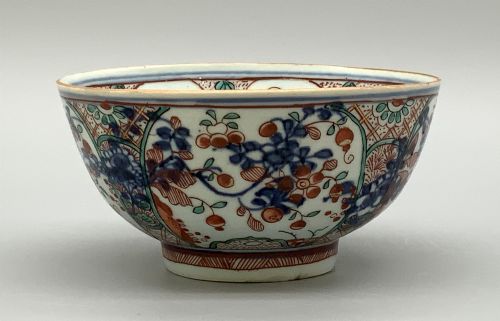
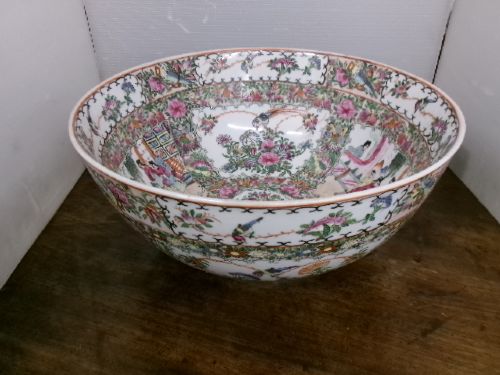
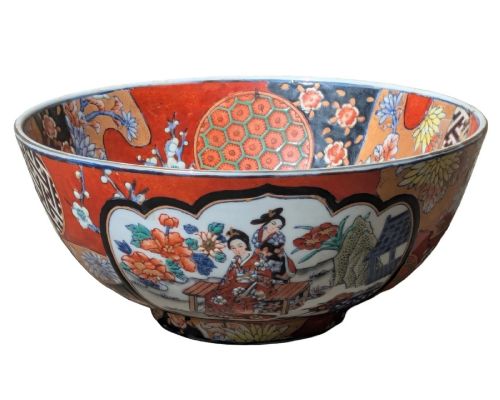
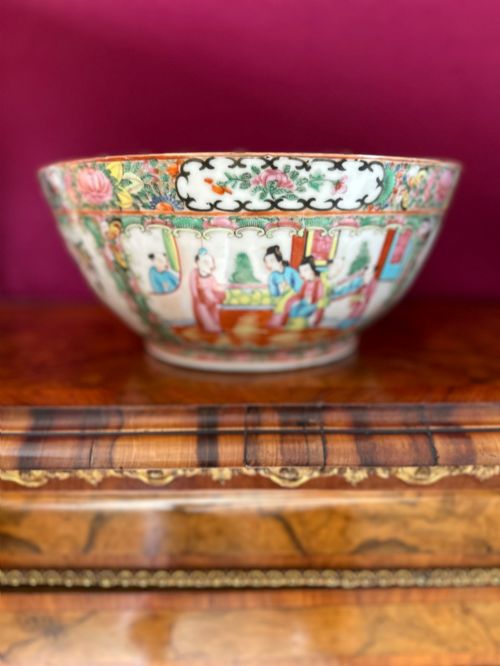
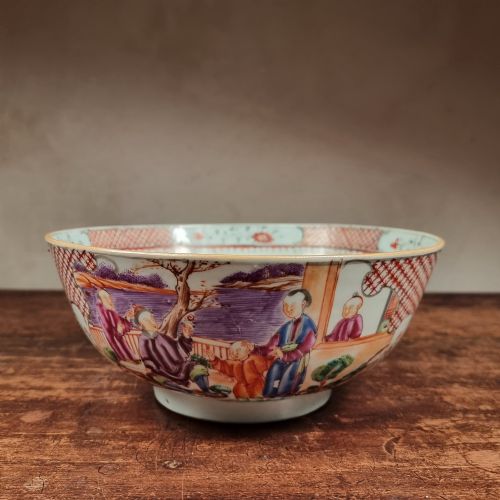
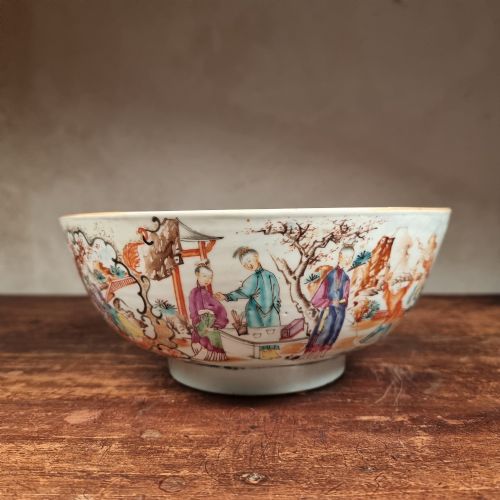
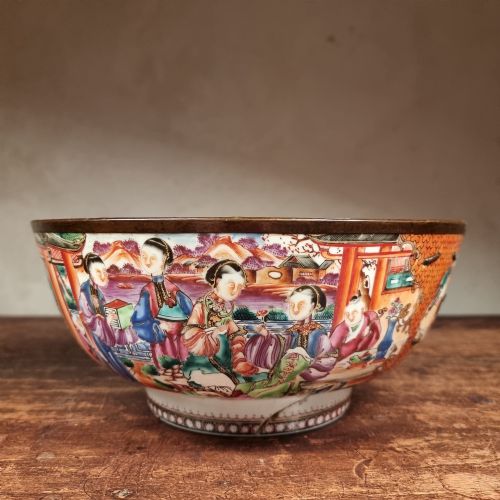
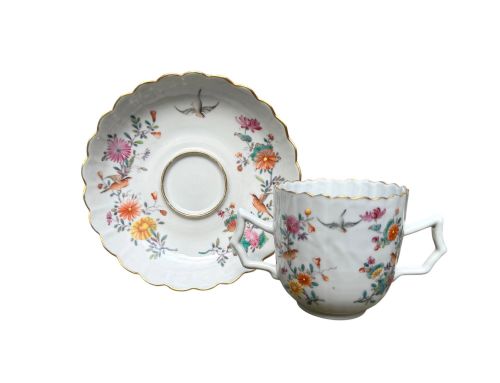
Chinese and Japanese workshops produced these wares for both domestic use and export markets, utilising distinctive regional palettes and motifs. Buyers find provincial porcelain bowls next to finely painted Canton famille rose centrepieces and Japanese Imari display dishes.
Materials and construction methods
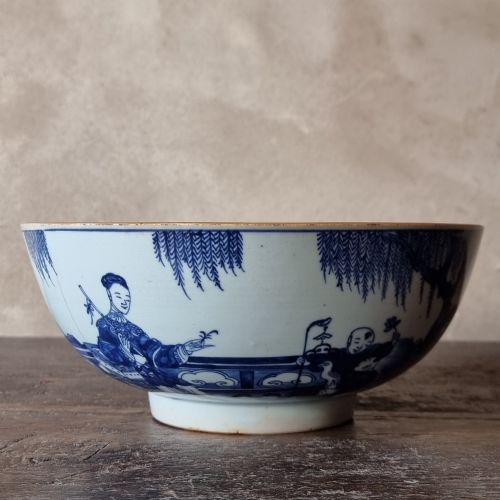
Potters relied primarily on porcelain and earthenware bodies, decorated with cobalt underglaze, cobalt glaze, or polychrome enamels. Artisans frequently applied gold leaf highlights to enhance specific design elements on Japanese Satsuma and Chinese export wares.
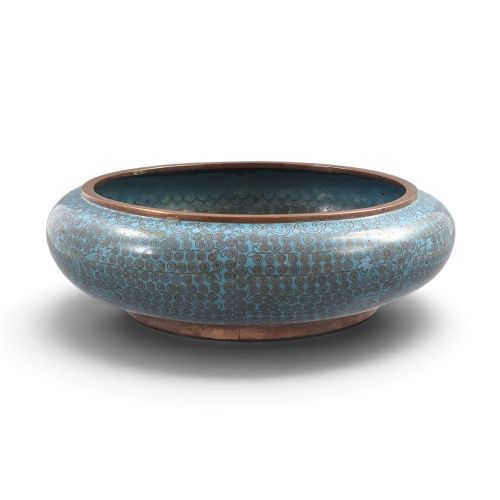
Techniques involved hand painting intricate figurative scenes, floral patterns, and script directly onto the ceramic surface before or after firing. Cloisonné enamel methods also appear on specific scholar's items, integrating metalwork boundaries with coloured vitreous pastes.
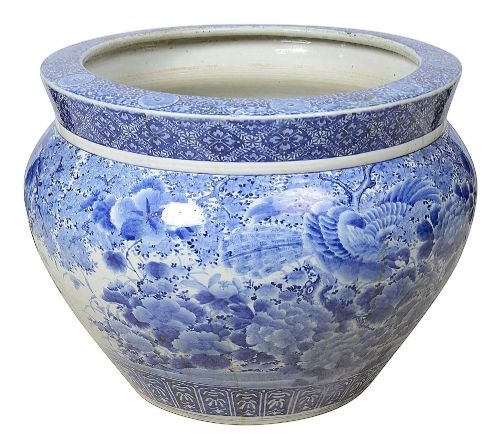
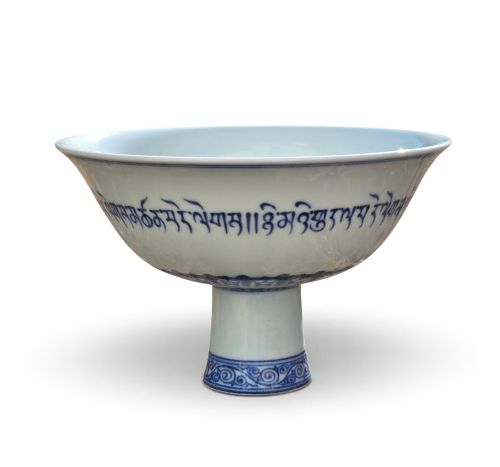
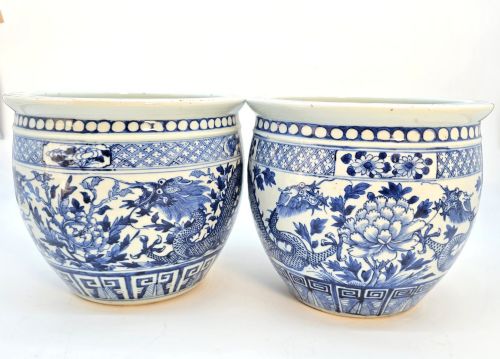
Object forms include punch bowls, stem cups, jardinieres, and reticulated chestnut baskets from Chinese and Japanese traditions.
Distinctions in craftsmanship
The distinction between standard commercial output and superior examples lies in the precision of the hand-painted brushwork and the complexity of the glaze composition. Master artisans executed fine facial expressions and detailed architectural backgrounds with immense control.
The weight and refinement of the porcelain body, combined with the depth of the cobalt underglaze or the vibrancy of the famille rose enamel palette, determine the tier of the piece. Signed works by recognised makers demonstrate a higher level of individual artistic ambition.
Inoue Ryōsai·Gyokkō·Kozan·Shizan·Ginshōtei Gyokushi
The Oriental Ceramic Bowl Glossary
- Famille rose
- A major palette of Chinese ceramic enamels introduced in the eighteenth century, dominated by opaque pink or rose colours.
- Imari
- A type of Japanese porcelain decorated in underglaze blue, iron red, and gold, originating from the area around Arita.
- Jardinerie
- A large ornamental pot or stand designed to hold a live plant or floral arrangement.
- Stem cup
- A ceramic vessel raised upon a tall foot or pedestal, frequently associated with ritual or scholar uses.
- Doucai
- A Chinese porcelain technique combining underglaze blue outlines with overglaze enamel infill colours.
Oriental Ceramic Bowl: Frequently Asked Questions
How do I date an oriental ceramic bowl?
Dating relies on stylistic markers, reign marks, and the specific characteristics of the glaze and paste. Examining the foot ring and the manner of the hand-painted decoration often reveals the period of manufacture.
Evidence across these listings spans from the early eighteenth century through the Meiji period and into the twentieth century. Comparing baseline motifs helps narrow down whether a vessel belongs to the Kangxi era or later Victorian export periods.
What is the difference between Chinese and Japanese bowls?
Chinese and Japanese ceramics diverge in their historical painting styles, regional palettes, and clay bodies. Chinese exports frequently feature famille rose or blue and white designs, whereas Japanese wares often showcase Imari brocade patterns or Satsuma crackle glazes.
Workshop traditions also influenced the choice of forms, with Japanese makers producing distinct scalloped edge dishes and specific tea ceremony vessels. Understanding these origins clarifies the visual vocabulary of each piece.
Were these bowls meant for daily use?
Many oriental ceramic bowls served practical functions in dining, tea preparation, or the display of botanicals. Punch bowls held beverages at gatherings, while smaller sencha cups accommodated specific tea traditions.
Other forms, such as large jardinieres and reticulated chestnut baskets, fulfilled decorative or container roles within grand interiors. Over time, collectors transitioned many of these items into dedicated display pieces.
How should I clean my antique ceramic bowl?
Antique ceramics require gentle maintenance using warm water and a mild, non-abrasive soap when cleaning is strictly necessary. Harsh chemical cleaners and scrubbing brushes can damage delicate enamel decoration and gold leaf.
Avoiding sudden temperature changes prevents thermal shock to older porcelain bodies. Patting the surface dry with a soft lint-free cloth preserves the historic glaze.