



Oriental Carved Panel
An oriental carved panel brings rich texture and intricate relief work into a room, spanning folding screens, wall plaques and temple pediments.
Oriental Carved Panel
An oriental carved panel encompasses wall plaques, temple pediments and decorative inserts drawn from diverse Asian traditions. Buyers searching for an oriental carved panel frequently encounter hardwood wall art, framed sections, and architectural fragments.
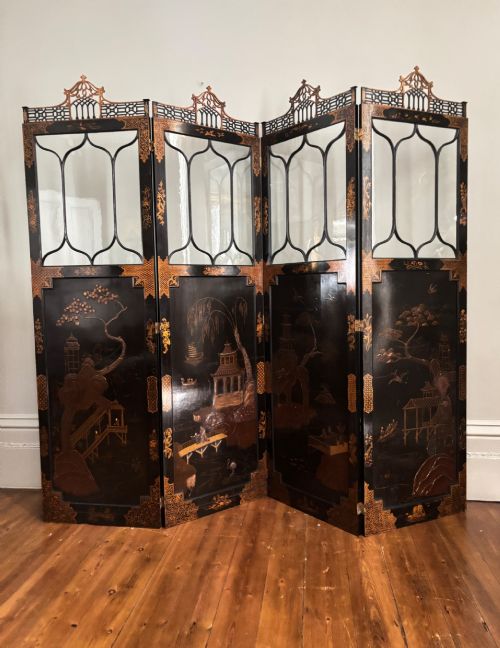
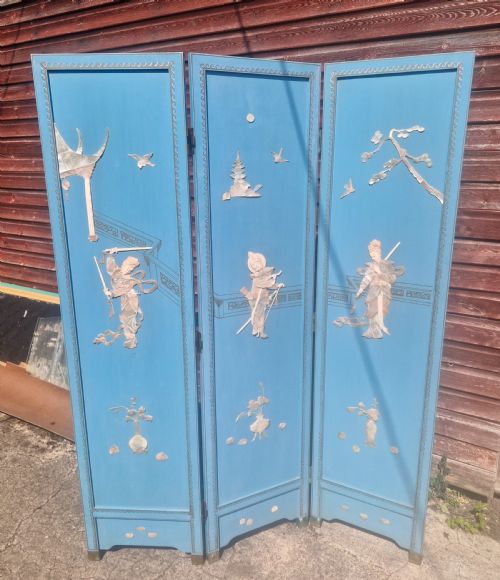
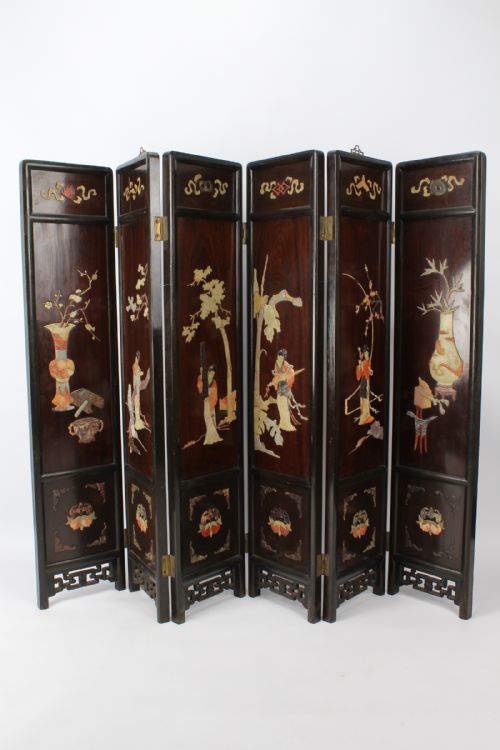
The selections on this page bridge multiple periods, stretching from the eighteenth century through the nineteenth century and into the early twentieth century. Common formats include folding screens, room dividers and tabletop screens originating from Chinese Qing Dynasty, Japanese Meiji and Burmese workshops.
Makers utilised various formats, adapting freestanding screens, wall panels and storage trunk lids into decorative elements. Hardwood, lacquer and gilt wood dominate the physical forms seen across these listings.
How They Were Made
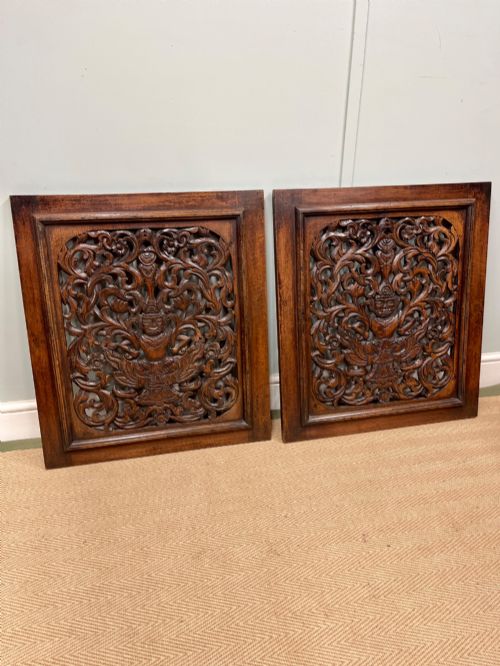
Artisans carved dense hardwoods, teak and general wood bases using hand chisels to achieve deep relief work and delicate fretwork patterns. Many panels incorporate layers of black or coloured lacquer applied over wood, sometimes finished with gold leaf.
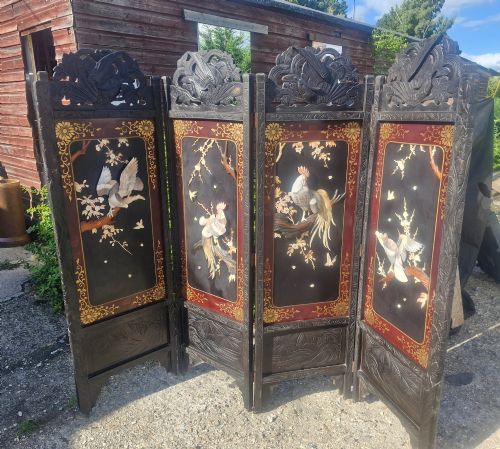
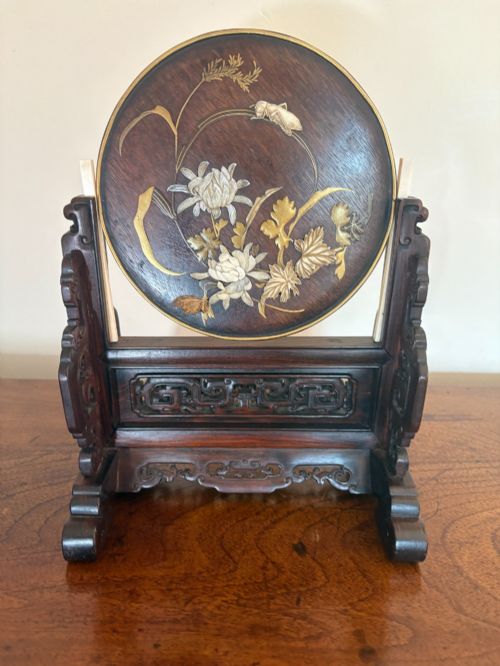
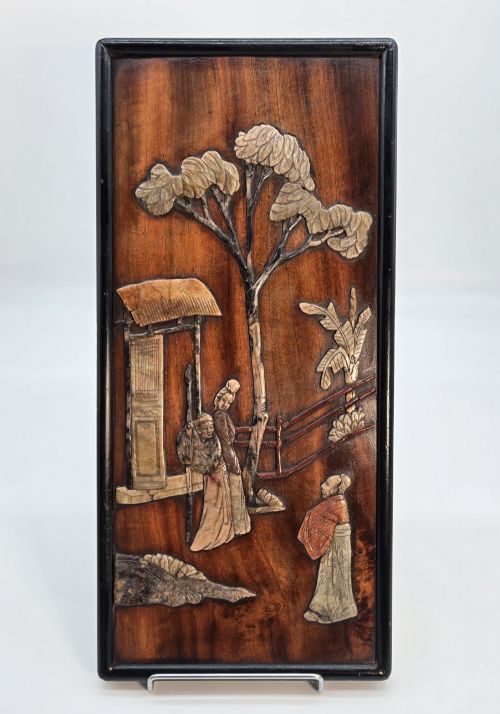
Inlay techniques add contrasting texture through the use of bone, ivory, mother-of-pearl, abalone and hardstone mounted directly into the wooden substrate. Silk embroidery and painted glass elements appear within specialised table screens and firescreens.
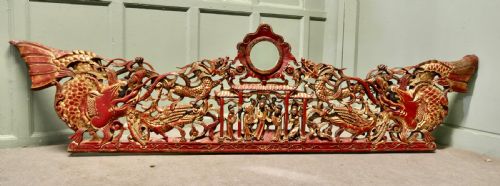
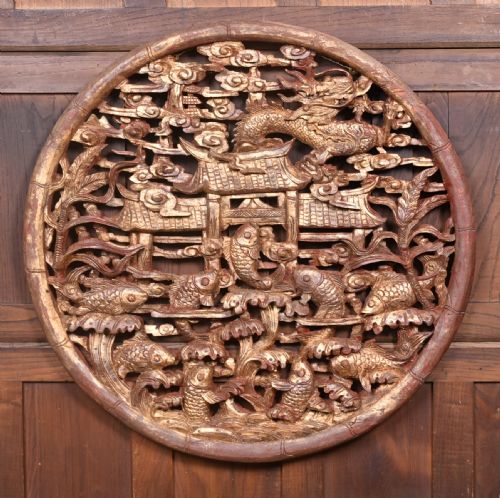
Architectural panels often integrate pierced openwork and structural joinery without modern metal fasteners. Gilding and polychrome paint highlight figurative scenes of birds, foliage and narrative landscapes.
Listings feature periods from the 18th century to the mid-20th century, utilising lacquer, hardstone, bone, and hardwood.
What Varies in Quality
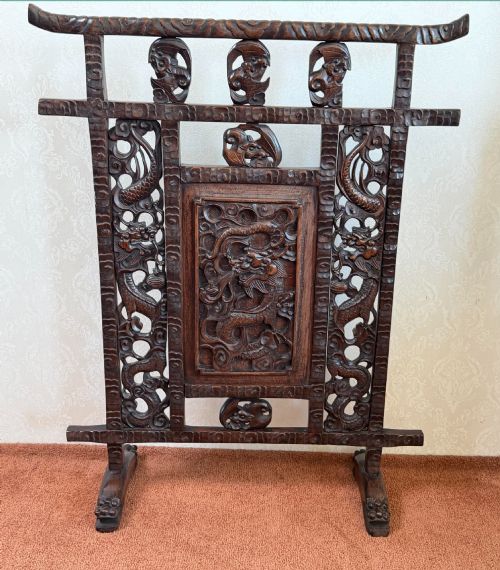
Depth and precision of the chisel work dictate the visual clarity of figures, birds and foliage within the carved design. Shallower, mechanical incisions yield flat surfaces, whereas deep undercutting creates dramatic shadow and three-dimensional presence.
The integrity of surface finishes such as coromandel lacquer, gold leaf and mother-of-pearl inlay separates standard execution from superior craftsmanship. Intricate inlay must sit flush within the wood, and lacquer surfaces require even polishing without excessive restoration.
Material selection plays a defining role, with dense hardwoods like zitan or huanghuali holding crisp details better than softer secondary timbers. The survival of original stands, frames and matching multi-panel hinges preserves the intended composition of larger folding screens.
The Oriental Carved Panel Glossary
- Coromandel lacquer
- A Chinese incised lacquer technique where designs are carved into a dark ground and filled with colours or gold leaf. It is typically found on folding screens and heavy room dividers.
- Shibayama
- A Japanese decorative technique using inlaid mother-of-pearl, ivory, bone and tortoiseshell to create high-relief pictorial designs. This work appears on fine table screens and cabinet panels.
- Chinoiserie
- European artistic interpretation and imitation of Chinese and East Asian artistic traditions, popular in furniture and decorative panels. It blends Western forms with oriental motifs.
- Fretwork
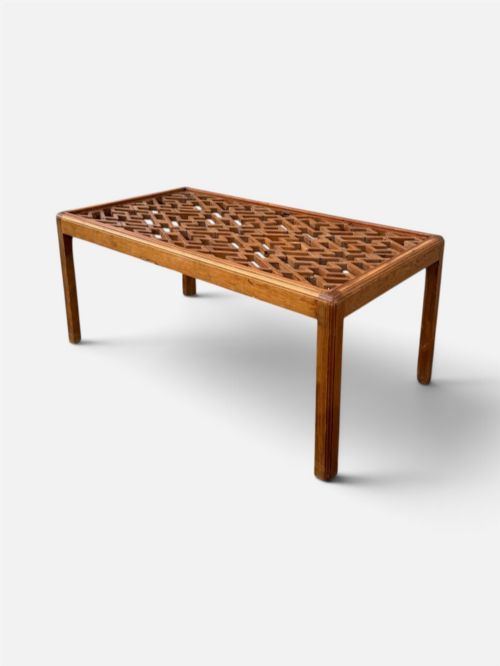
- Ornamental perforated or cutout woodwork forming geometric or interlocking patterns. It is frequently utilised in screens and room dividers for light diffusion.
- Pediment
- The triangular or decorative architectural crown above a doorway or structure, often repurposed as a wall-hung oriental carved panel. These elements display high-relief carving.
Oriental Carved Panel: Frequently Asked Questions
How are folding screens used today?
Folding screens serve as flexible room dividers, decorative backdrops or architectural wall art in modern interiors. They divide open-plan spaces while introducing textural depth and historic character.
Larger multi-fold panels can stand freely against a wall or be secured for safety. Table screens provide a compact way to display intricate carving on desks or sideboards.
What materials are common in these panels?
Hardwoods such as teak and various native Asian timbers form the primary structural and carved surfaces. Lacquer, gold leaf, bone and mother-of-pearl provide contrasting colour and lustrous detail.
Inlay work frequently depicts natural subjects like birds in foliage, landscape scenes or traditional figures. Silk embroidery and glass panels also appear within specific framed tabletop items.
How do I distinguish between Chinese and Japanese pieces?
Chinese panels often feature deep, heavy hardwood carving, coromandel lacquer work, and symmetrical architectural motifs. Qing Dynasty pieces lean towards rich symbolic flora and fauna in high relief.
Japanese items from the Meiji period frequently showcase delicate Shibayama inlay, metal accents, and painted lacquer screens depicting natural asymmetry. Burmese panels tend towards deeply undercut figurative teak carvings.
Where should I place a wall plaque?
Wall plaques require adequate wall space and balanced lighting to highlight the depth of the wood carving. Placing them above sideboards or seating areas creates a natural focal point in a room.
Ensure heavy wooden plaques are mounted securely using appropriate fixings suited to the wall type. Direct sunlight should be avoided to protect sensitive lacquered and gilded surfaces.