







Oriental Carved Lamp
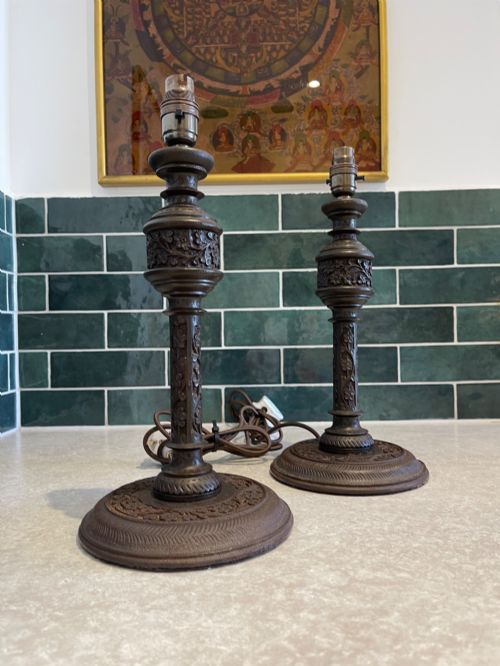
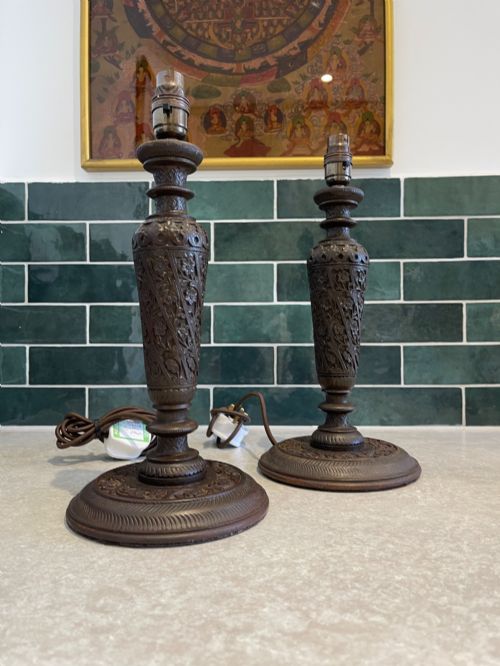
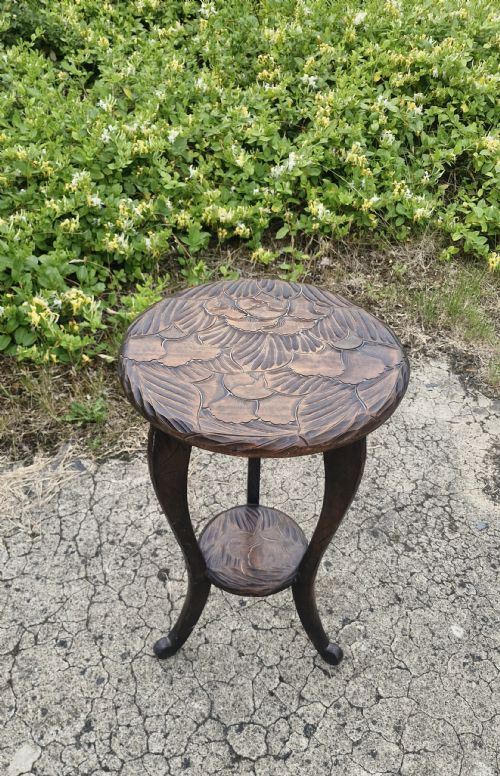
An oriental carved lamp brings tactile craft and rich grain into a room, offering warm illumination through detailed wood and metal work.
Oriental Carved Lamp
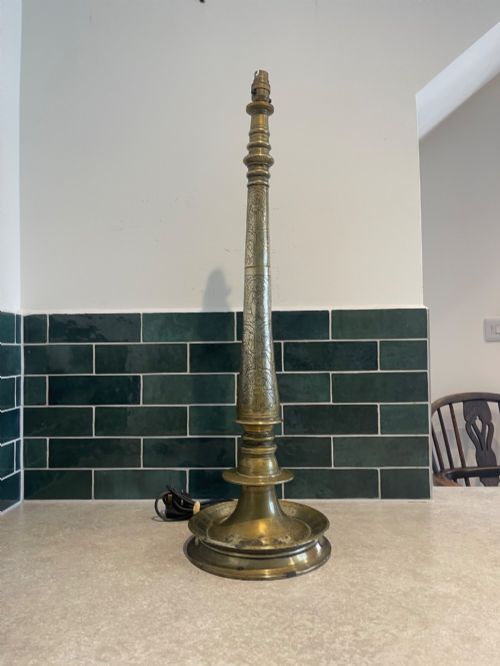
When you search for an oriental carved lamp, you look for lighting fixtures and fitted vessels shaped by Asian and colonial traditions, spanning table lamps, standard lamps, and converted vases.
The pieces on this page draw from nineteenth-century and early twentieth-century periods, including Victorian, Meiji, and Qing Dynasty aesthetics.
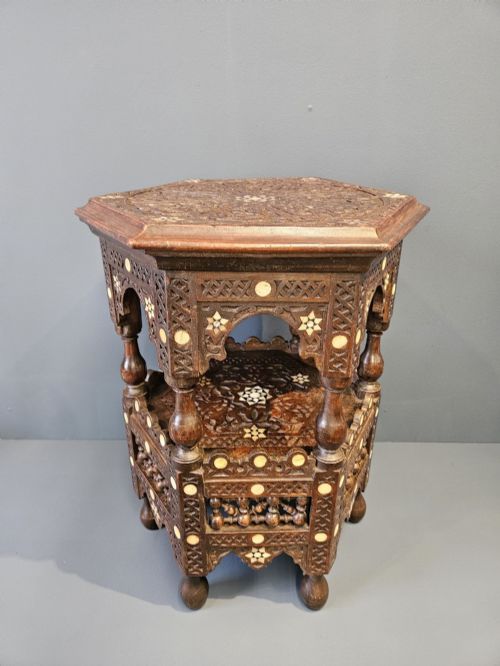
You meet items styled in Chinese export, Anglo-Indian, and Chinoiserie traditions, frequently fashioned from dense timbers or cast metals.
Measures of quality
Quality rests upon the crispness of the hand-carved detail and the selection of timber, where tightly grained rosewood or huali outlasts softer woods.
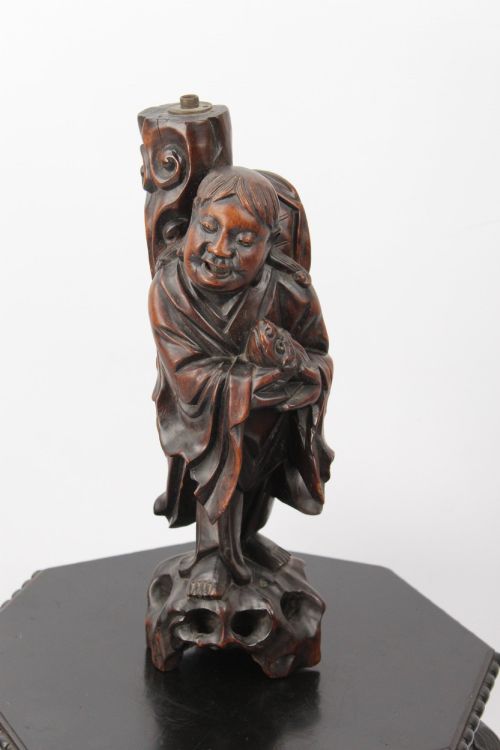
Superior examples display deep, three-dimensional carving on dragon motifs and structural stability in the accompanying stands or stems.
Oriental Carved Lamp Retail Price Guide 2026
Typical asking prices for oriental carved lamp among the pieces listed under this phrase on Sellingantiques today, from the lower quarter to the upper quarter. They describe what is for sale here now, not the wider market.
Listings feature items from the Victorian period through the 1920s, constructed in hardwood, brass, bronze, marble, and porcelain.
Liberty's
The Oriental Carved Lamp Glossary
- Huali
- A fragrant, dense Chinese hardwood prized for its rich grain and durability in antique furniture and standard lamps.
- Meiji Period
- The era in Japanese history spanning 1868 to 1912, known for intricate bronze casting and decorative arts.
- Qing Dynasty
- The final imperial dynasty of China, influencing the carved motifs and export styles seen on nineteenth-century pieces.
- Anglo-Indian
- A design style blending traditional British furniture forms with detailed Indian woodcarving techniques.
- Celadon
- A pale green jade-like ceramic glaze often found on antique Chinese vases later converted into lamps.
Oriental Carved Lamp: Frequently Asked Questions
How do I identify a converted vase lamp?
Look for a drilled base or rim that accommodates electrical wiring while preserving the original porcelain body, such as a Famille Verte ginger jar.
These pieces retain their painted or glazed exterior whilst serving a modern functional purpose.
What woods were used for these lamps?
Craftsmen utilised dense Asian hardwoods including teak, rosewood, padauk, huali, and elm.
These timbers provided the structural weight needed for tall standards and the tight grain required for deep carving.
Are these standard lamps adjustable?
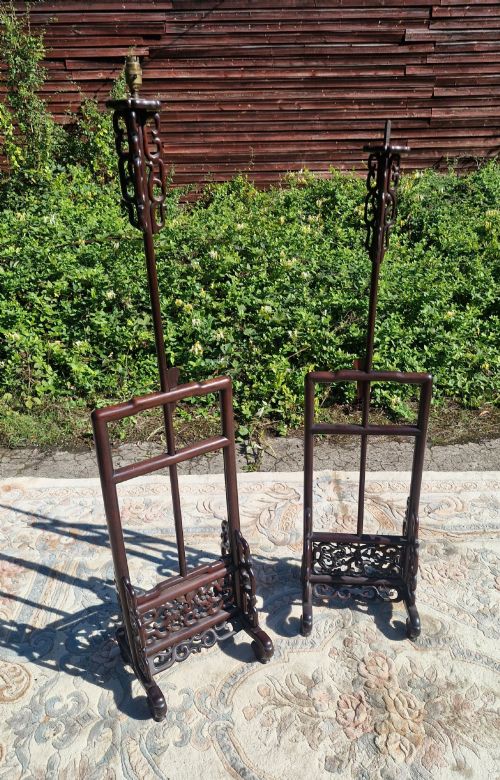
Certain floor-standing models feature mechanical adjustments to alter the height or reach of the illumination.
Such engineering is typically found in twentieth-century standard lamp designs.
How do I care for carved hardwood?
Dust the intricate recesses regularly with a soft brush and maintain the timber with appropriate wax polish.
Keep the lamp away from direct heat sources to prevent the wood from splitting.