

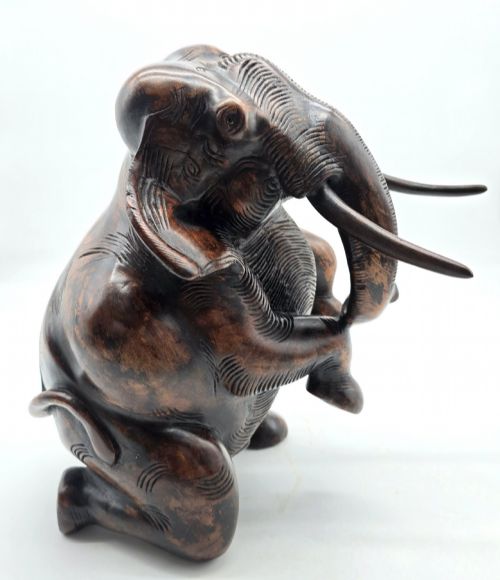


Oriental Carved Animal Statue
An oriental carved animal statue brings traditional craftsmanship and natural forms together, offering distinct character for your interior space.

Oriental Carved Animal Statue
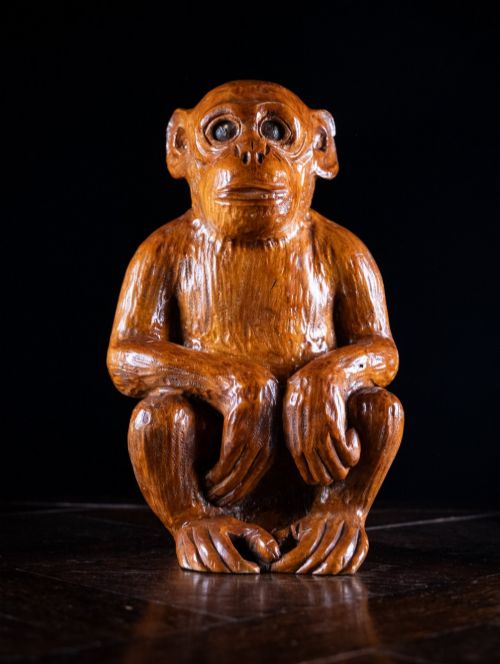
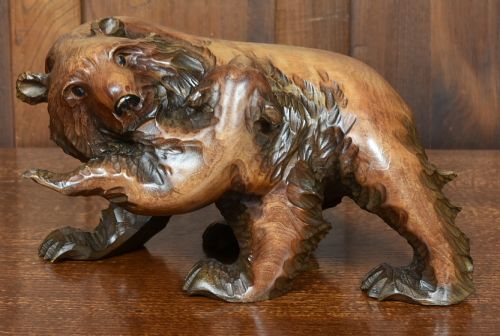
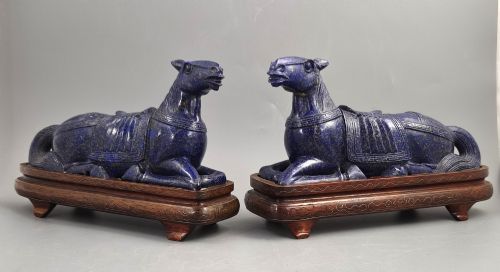
Makers across different eras drew inspiration from fauna, creating both decorative figures and symbolic sculptures. You find items representing distinct cultural periods, from Qing Dynasty hardwood pairs to Raj period procession scenes and Meiji period metalwork. These representations vary from naturalistic studies of wild animals to stylised pairs associated with traditional motifs.
The objects take the form of freestanding sculptures, figurines, and mounted figures complete with dedicated stands. Many examples reflect specific historical eras, such as Ming style glazes or nineteenth-century carving traditions. Through these varied materials and regional origins, each piece provides a tangible connection to Asian decorative art history.
Materials and construction methods
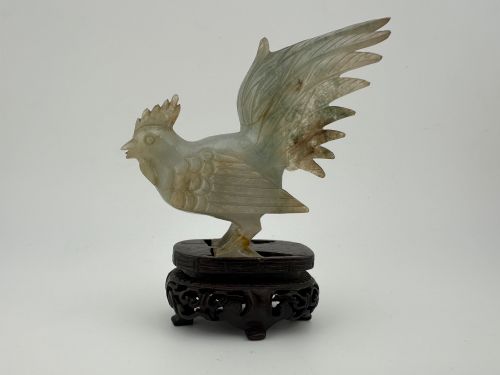
Carvers predominantly utilised dense natural materials, notably hardwood, to achieve fine detail and durability in animal sculptures. Artisans shaped these timbers using hand tools, frequently retaining the grain to accentuate the musculature and texture of creatures like water buffaloes and horses. Other examples employ bone, soapstone, and jade, where lapidary techniques shape the mineral into smooth, polished contours.
Oriental Carved Animal Statue Retail Price Guide 2026
Typical asking prices for oriental carved animal statue among the pieces listed under this phrase on Sellingantiques today, from the lower quarter to the upper quarter. They describe what is for sale here now, not the wider market.
Listings feature items from the nineteenth century, including Qing Dynasty hardwood sculptures and Raj period animal studies.
Distinguishing sculptural merit
The quality of an oriental carved animal statue rests largely on the anatomical precision and expressive depth achieved by the carver. Superior pieces display careful attention to natural proportions, capturing movement and weight convincingly within the medium. Lesser examples might present stiff postures and rudimentary surface texturing that obscure the character of the animal.
Material selection and execution further divide the range, as demonstrated by crisp detail in hardwood grain or smooth polish across jade and soapstone surfaces. Pieces that retain integrated stands or show harmonious patination from age generally represent more accomplished workshops. The cohesion between the material used and the vitality of the sculptural form dictates the overall standing of the work.
The Oriental Carved Animal Statue Glossary
- Hardwood
- Dense timber such as zitan or huanghuali selected for fine carving and durability. Artisans favoured these woods for intricate nineteenth-century animal figures.
- Sancai
- A traditional three-colour lead glaze typically utilising amber, green, and cream tones. This technique appears on Chinese porcelain duck sculptures.
- Meiji Period
- The era of Japanese history lasting from eighteen sixty-eight to nineteen twelve, marked by exceptional metalwork and wood sculpture. Pieces from this time often exhibit realistic animal forms.
- Raj Period
- The period of British sovereignty in the Indian subcontinent between eighteen fifty-eight and nineteen forty-seven. Carvings from this era frequently depict ceremonial elephants and procession scenes.
- Soapstone
- A softer metamorphic rock composed primarily of talc, easily shaped by hand tools. It permits detailed carving for figural groups like sows and piglets.
Oriental Carved Animal Statue: Frequently Asked Questions
What animals appear most frequently in these carvings?
The selection includes a variety of fauna, with elephants, horses, monkeys, tigers, and ducks appearing across different listings. Artisans chose these subjects for their symbolic meanings or cultural significance within Asian decorative art.
Representations range from single studies of wild creatures to paired figures of Mandarin ducks or water buffaloes. Each animal type reflects the specific aesthetic preferences of its originating period and region.
How do I identify a hardwood sculpture?
Hardwood pieces feel notably heavy for their size and exhibit tight, consistent grain patterns that carvers polished to a smooth finish. These timbers resist easy scratching and often display a deep dark stain or natural patina developed over decades.
Examining the underside or unpolished areas reveals the dense fibrous structure typical of Asian timbers utilised in nineteenth-century workshops. This material stability allowed artisans to carve intricate details without fracturing the medium.
What distinguishes Raj period elephant carvings?
Raj period elephant sculptures often incorporate detailed trappings, ceremonial blankets, and accompanying figures of keepers. These items reflect the cultural and historical context of nineteenth-century Indian craftsmanship.
The carving style prioritizes ornate decoration alongside realistic animal anatomy, frequently utilising dark hardwood to render heavy procession scenes. Such pieces provide insight into specific regional production methods of that era.
How should I display these sculptures at home?
These figures suit stable shelf or tabletop placement where adequate lighting highlights their carved details and material textures. Pieces mounted on original wooden stands require flat surfaces to prevent stress on the base connections.
Keeping statues away from direct sunlight and extreme humidity fluctuations preserves the condition of organic materials like wood, bone, and soapstone. Allowing sufficient space around each sculpture lets the individual form stand out clearly.