






Japanese Wood Carving Ornament
These japanese wood carving ornament pieces bring domestic animal and figure subjects into the room with notable dexterity.

Japanese Wood Carving Ornament
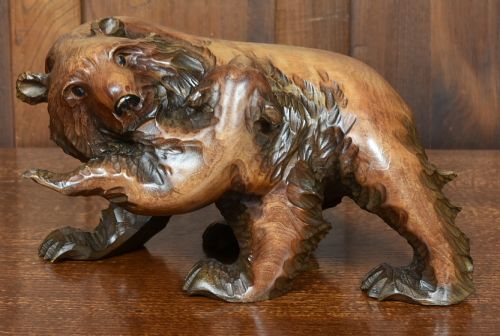
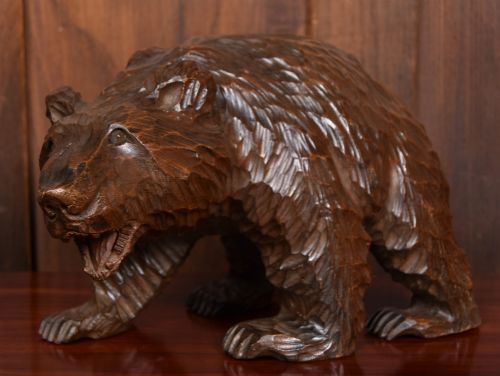
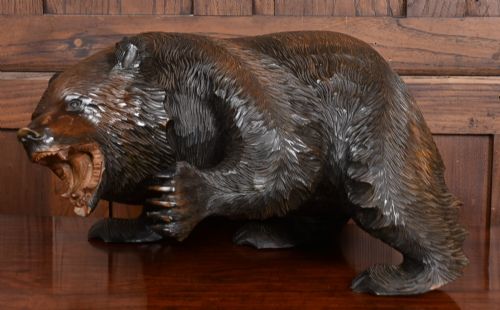
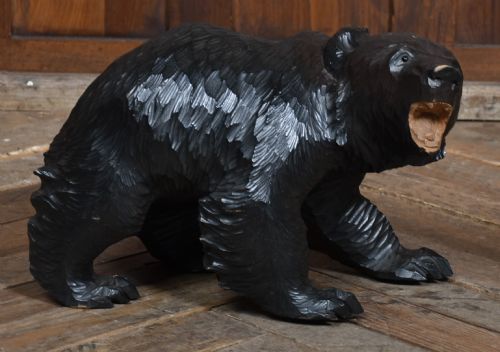
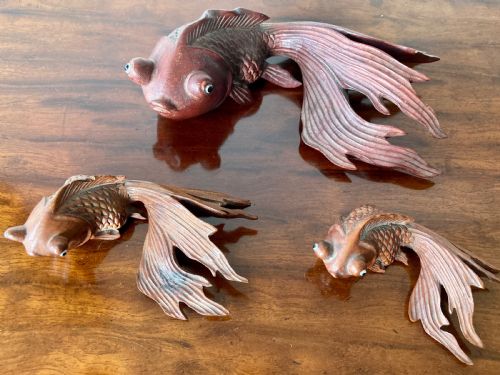
A japanese wood carving ornament encompasses small figures, animal sculptures and display stands originating primarily from the nineteenth century and the Meiji period. The selection includes bears, frogs, rabbits, turtles and human figures executed in diverse sculptural forms.
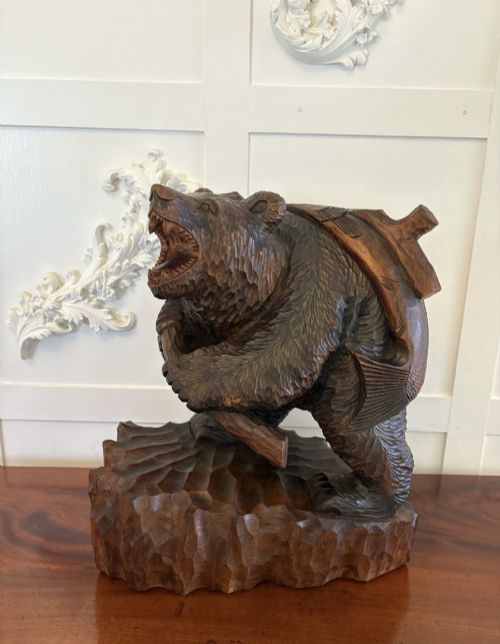
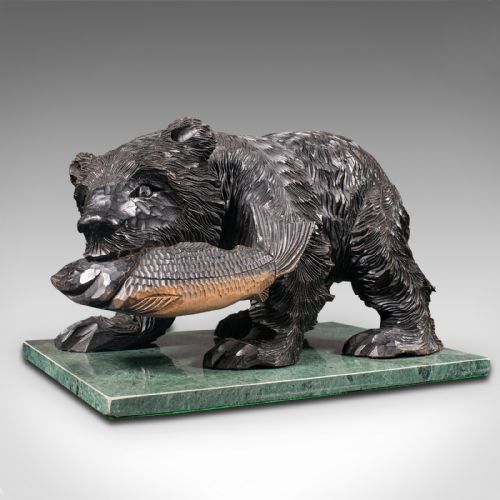
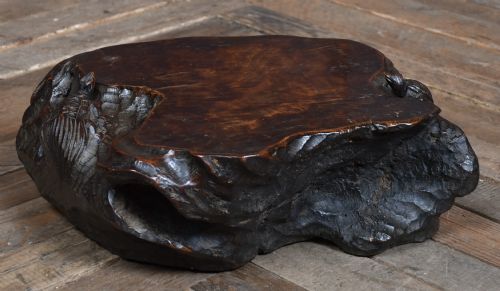
Buyers frequently encounter animal subjects such as the iconic Kibori Kuma bears, alongside miniature okimono and functional items like bonsai display stands and paperweights. These objects reflect traditional Japanese craft and folk art traditions preserved in hardwood and boxwood.
The pieces on this page span the nineteenth century and around nineteen hundred, capturing both narrative figure groups and realistic fauna. Each item demonstrates distinct sculptural approaches ranging from miniature netsuke to substantial animal carvings.
Materials and construction
Makers utilised resilient timbers including boxwood, linden wood and dense hardwoods to achieve fine anatomical detail. Surfaces often received wax or stain finishes to enhance the natural grain of the carved wood.
Carvers employed hand tools to execute intricate forms such as the fur of a bear or the smooth shell of a turtle. The physical evidence shows traditional subtraction methods working directly into blocks of timber.
Japanese Wood Carving Ornament Retail Price Guide 2026
Typical asking prices for japanese wood carving ornament among the pieces listed under this phrase on Sellingantiques today, from the lower quarter to the upper quarter. They describe what is for sale here now, not the wider market.
Assessing quality
Quality rests in the precision of the carving and the naturalism brought to the subject matter, whether depicting a fish-carrying bear or an okimono figure. Superior execution shows in the handling of anatomical textures and the vitality of the pose.
The choice of medium also influences the piece, with dense boxwood and hard woods allowing for sharper micro-detailing than softer linden. Successful proportions and expressive character distinguish the more accomplished sculptures.
The Japanese Wood Carving Ornament Glossary
- Okimono
- A Japanese term for a stand-alone decorative object or sculpture designed for display on a shelf or in a tokonoma. These pieces range from human figures to animal groups.
- Netsuke
- A small carved toggle fastened to the end of a cord connecting a traditional pouch or container to a kimono sash. They are typically sculpted from wood or boxwood.
- Kibori Kuma
- A style of traditional wooden bear carving originating from the Hokkaido region of Japan. These sculptures frequently depict bears holding fish in their jaws.
- Bonsai Stand
- A carved wooden platform or display base used to elevate miniature trees or decorative objects. They reflect traditional Japanese interior presentation standards.
- Meiji Period
- The era in Japanese history spanning from eighteen sixty-eight to nineteen twelve, associated with significant artistic production for both domestic and export markets.
Japanese Wood Carving Ornament: Frequently Asked Questions
What are these wooden sculptures?
These pieces are hand-carved Japanese figures and animal sculptures dating from the nineteenth century and nineteen hundred. They include bears, frogs, rabbits and okimono figures.
Created using traditional woodworking techniques, they served decorative purposes or specific functions like paperweights and bonsai display stands.
How do I date a nineteenth-century carving?
Dating relies on stylistic markers associated with the Meiji period and nineteenth-century folk art traditions. The specific choice of subjects and tool marks provide key indicators.
Comparative analysis with documented examples helps establish the correct chronological window for each object.
Where were these ornaments made?
These items originated in Japan during the late nineteenth century, reflecting regional woodcarving traditions such as the Kibori Kuma bears of Hokkaido. Makers produced them for local use and export.
The use of native timbers like boxwood and linden wood connects them directly to Japanese craft workshops of the period.
How do I care for carved wood?
Keep wooden carvings away from direct sunlight and sudden humidity changes to prevent timber splitting. Gentle dusting with a dry cloth maintains the surface.
Avoid liquid cleaners and excessive wax applications that can alter the original finish of the carved boxwood or hardwood.