




Oriental Bronze Art
Oriental bronze art brings substantial weight and intricate foundry work into a room, offering centuries of Asian craftsmanship.
Oriental Bronze Art
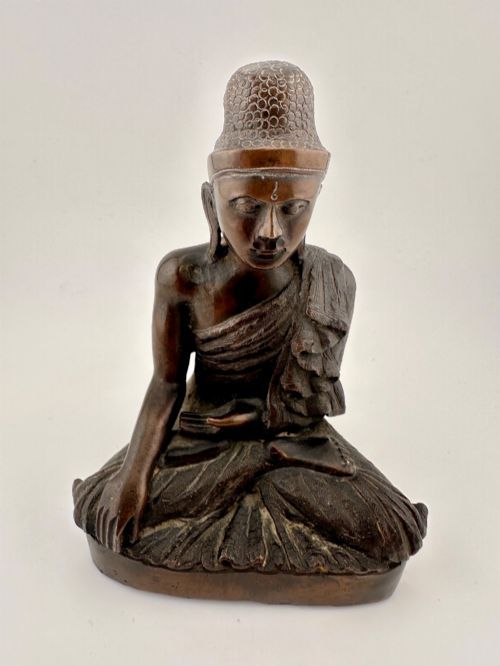
Oriental bronze art encompasses a diverse range of cast metal objects, vessels, and sculptures originating from across Asia. Buyers searching for oriental bronze art encounter everything from utilitarian scholar items to large temple figures.
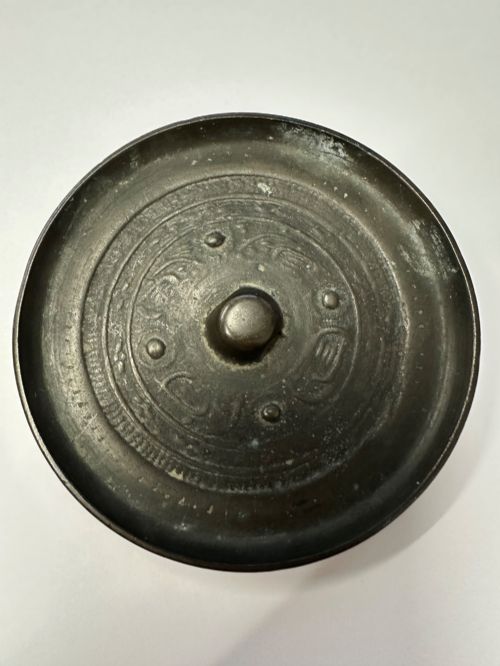
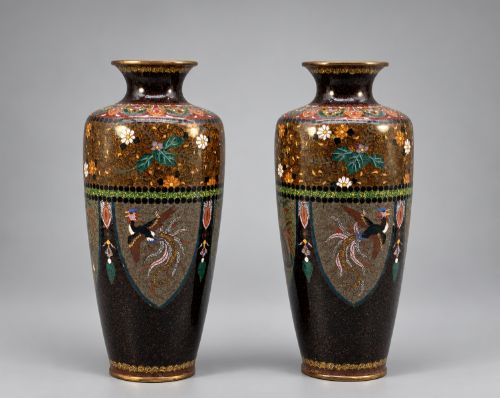
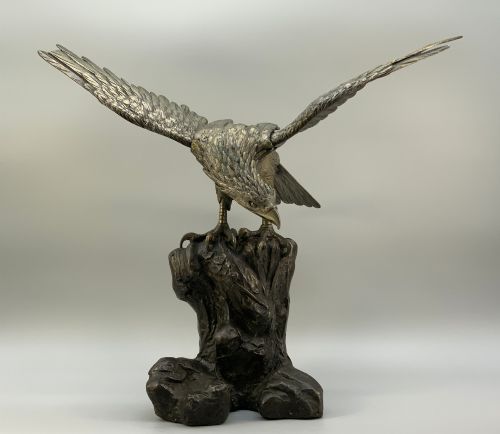
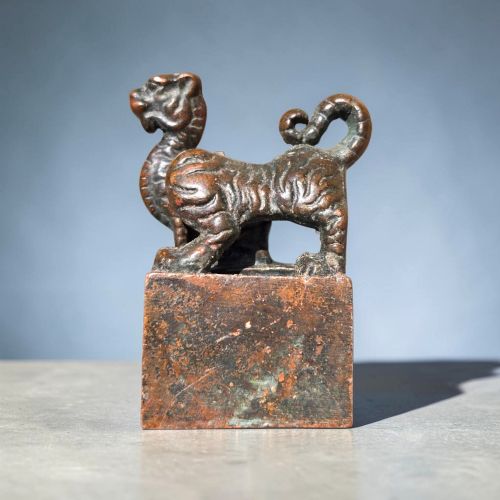
Japanese Meiji period vases and animal okimono dominate the current selection, alongside Chinese bronze mirrors, vessels, and figures. Pieces span multiple centuries, reaching back to ancient dynasties and extending through the nineteenth and early twentieth centuries.
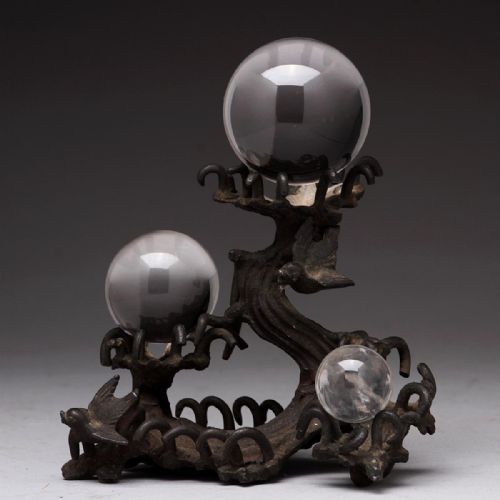
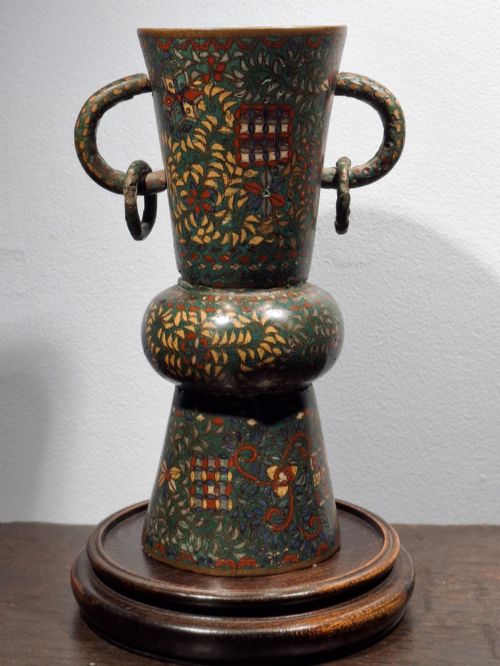
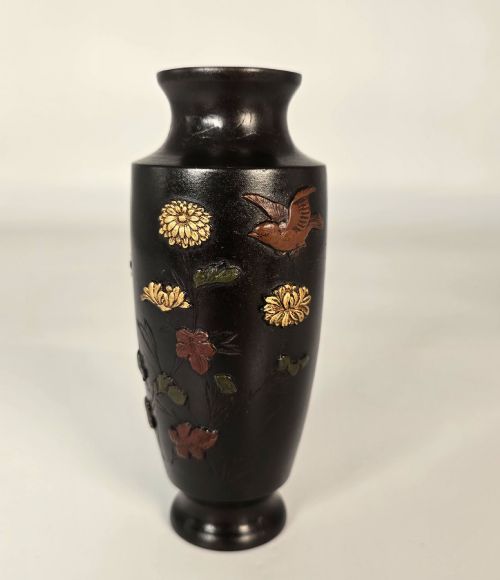
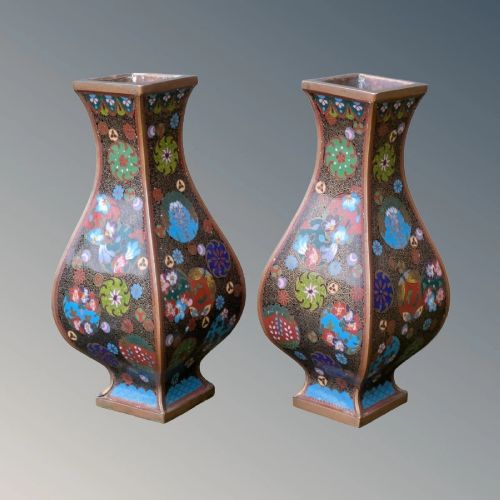
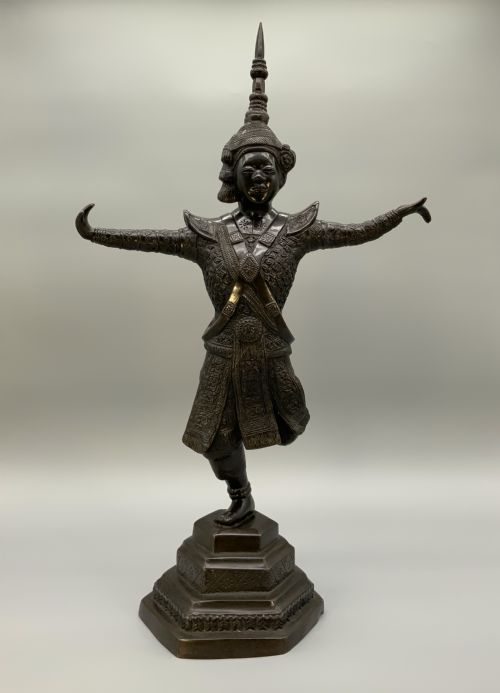
Vessels include ritual items, censers, and decorative vases often paired in sets, while sculptures depict figures, birds, and beasts. The material palette frequently extends beyond simple metalcasting to incorporate enamel, gold inlay, and mixed metals.
How They Were Made
Foundries utilised traditional lost-wax casting techniques to shape molten bronze, copper alloy, and brass into complex forms. Skilled artisans then refined the raw metal surfaces through chiselling, carving, and applying patinated finishes.
Many works incorporate cloisonné enamel, fusing coloured glass pastes within delicate wire cells soldered onto the metal body. Other pieces employ mixed metal elements and gold inlay to achieve contrasting surface textures and pictorial details.
Oriental Bronze Art Retail Price Guide 2026
Typical asking prices for oriental bronze art among the pieces listed under this phrase on Sellingantiques today, from the lower quarter to the upper quarter. They describe what is for sale here now, not the wider market.
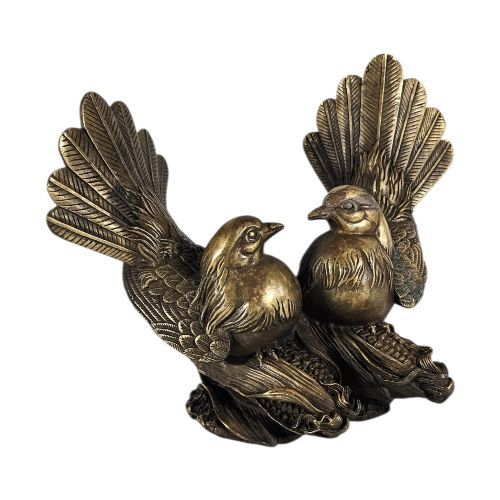
Among the stoic Buddhas and fierce dragons, a bronze pigeon dove pair and a leaping koi bring a splash of unexpected wildlife.
What Varies in Quality
The sophistication of the casting and the crispness of the chased detail separate standard production from superior examples. Master metalworkers achieved remarkably lifelike textures in animal sculptures and precise geometry in cloisonné cells.
The depth and stability of the applied patina contribute significantly to the visual presence of a bronze object. Finer pieces demonstrate harmonious integration of mixed metals and meticulous attention to finishing work across hidden surfaces.
Haruyama Shunzan
The Oriental Bronze Art Glossary
- Okimono
- A Japanese freestanding decorative sculpture designed for display on a shelf or in a tokonoma alcove.
- Cloisonné
- An enamelwork technique where metal wire forms compartments on a metal base to hold coloured glass paste before firing.
- Censer
- A vessel specifically constructed for burning incense during ritual or domestic activities.
- Patinated Metal
- Metal treated with chemicals and heat to produce a stable, decorative surface colour and finish.
- Scholar Object
- An item created for the desk or study of an educated scholar, often connected to writing, meditation, or contemplation.
Oriental Bronze Art: Frequently Asked Questions
What is oriental bronze art?
Oriental bronze art includes cast metal sculptures, vessels, mirrors, and enamelware produced across Asian civilisations over many centuries. These items range from delicate miniature ritual objects to large garden bronzes and architectural fittings.
Craftsmen employed sophisticated metallurgy, often combining bronze with brass, copper, gold inlay, and vibrant cloisonné enamel. The forms reflect deep artistic traditions tied to spiritual practices, scholarly pursuits, and decorative arts.
How do I date a Japanese bronze?
Dating often relies on stylistic markers associated with specific historical eras, such as the Meiji period or late Qing dynasty. Reign marks or signatures found on the base provide direct historical context when genuine.
Manufacturing techniques and material composition also shift over time, helping to distinguish nineteenth-century works from earlier dynasties or later twentieth-century productions. Examining the wear patterns and patina offers further clues to age.
How do I clean an antique bronze?
Antique bronzes generally require minimal intervention to preserve their historic patination and surface integrity. Dusting gently with a soft, dry cloth is usually sufficient for regular maintenance.
Harsh chemical cleaners, polishes, and abrasive cloths must be avoided because they strip away the authentic aged surface. Consulting a conservator is advisable if deeper cleaning becomes necessary.