



Oriental Brass Bowl
An oriental brass bowl brings weight, intricate metalwork and centuries of Eastern craftsmanship straight onto your table.
Oriental Brass Bowl
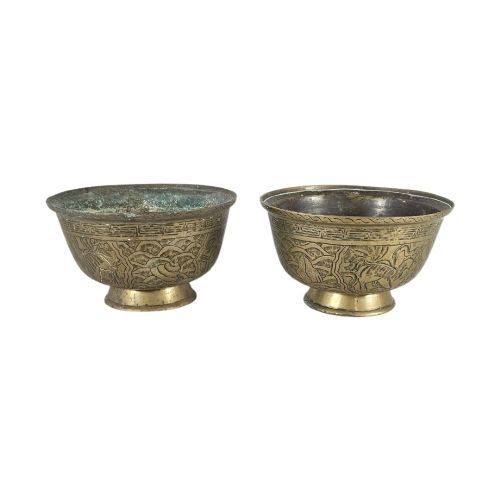
When searching for an oriental brass bowl, you will encounter a rich variety of vessels spanning Chinese and Japanese traditions. These pieces range from heavy temple censers and scholar's studio bowls to large garden planters and delicate enamel chargers.
The objects on offer stretch across the eighteenth, nineteenth and early twentieth centuries. You are most likely to meet substantial nineteenth-century bronze and brass vessels, alongside decorative pieces from the Qing Dynasty and the Meiji period.
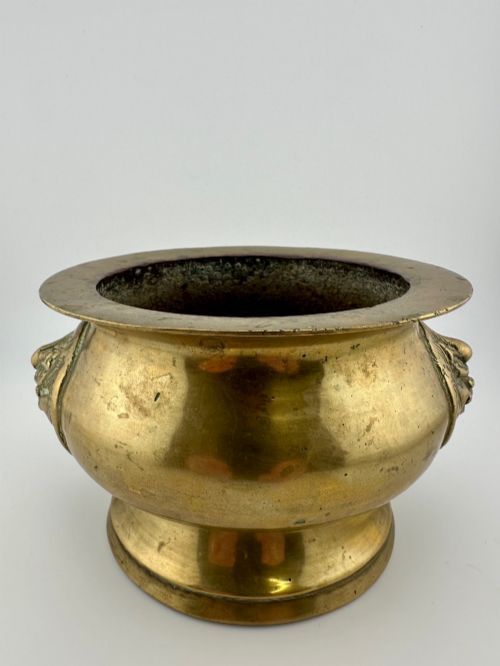
Beyond simple vessels, the selection includes utilitarian planters, lidded jars and ritual tripod censers. Each item carries distinct cultural motifs, from birds and lotus flowers to bold lion mask handles.
Materials and Making
The pieces rely primarily on cast brass and bronze, often worked to substantial weights that demand careful handling. Artisans shaped these metal alloys into vessels, sometimes integrating rich patinas or incorporating structural supports in hardwood.
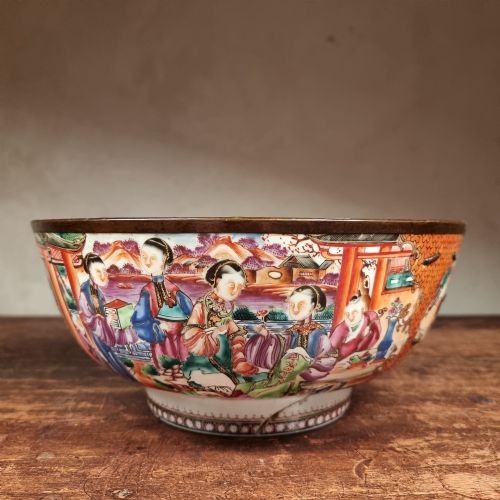
Colour arrives through the meticulous application of cloisonne enamel and porcelain elements fused to the metal surface. Fine wirework outlines intricate decorative cells, which are then filled with coloured pastes and fired to create durable, vivid pictorial scenes.
Oriental Brass Bowl Retail Price Guide 2026
Typical asking prices for oriental brass bowl among the pieces listed under this phrase on Sellingantiques today, from the lower quarter to the upper quarter. They describe what is for sale here now, not the wider market.
The listings combine nineteenth-century Chinese bronze vessels with Japanese Meiji period cloisonne enamel bowls and hardwood stands.
Judging Quality
Quality rests heavily on the crispness of the metal casting and the depth of the chased or engraved detail. Superior bowls show precise control over motifs like birds, lotus foliage or lion mask handles, whereas lesser examples display softer, blurred lines.
In enamelled pieces, the finesse of the wirework and the smooth integration of the coloured pastes dictate the standard. Finer specimens maintain consistent glazing without pitting, while master marks from periods such as the Xuande era or scholar's studios elevate the standing of a vessel.
The Oriental Brass Bowl Glossary
- Cloisonne enamel
- A metalwork technique where fine metal wires are soldered to a base to form compartments, which are filled with enamel paste and fired. This method produces vibrant decorative patterns across bowls and chargers.
- Censer
- A vessel designed for burning incense during ritual or scholarly pursuits. These often feature tripod bases and pierced lids.
- Jardiniere
- A large decorative pot or stand used to hold plants or flowers. In this selection, they frequently appear in heavy bronze or brass.
- Archaistic
- A style that deliberately mimics ancient forms and decorative motifs from earlier dynasties. It reflects a long tradition of reverence for historical metalwork.
- Charger plate
- A large ornamental decorative plate or dish designed for display rather than dining. They often showcase intricate pictorial enamel work.
Oriental Brass Bowl: Frequently Asked Questions
How do I clean an antique brass bowl?
Dust the surface gently with a soft dry cloth to preserve the natural aged patina. Avoid harsh chemical polishes that strip away historical character.
For stubborn grime, use a slightly damp cloth with mild soap, drying the metal immediately afterwards to prevent spotting.
Were these bowls used for display or food?
Most heavier bronze and brass vessels served ritual, decorative or scholarly functions rather than domestic dining. Jardinieres held plants, while censers burned incense.
Cloisonne charger plates and decorative bowls were primarily intended for visual display within aristocratic or scholarly interiors.
How can I tell Chinese from Japanese pieces?
Chinese pieces often feature archaic motifs, lion mask handles and reign marks such as the Xuande or Qianlong references. Their forms tend towards heavy ritual vessels and profound patinas.
Japanese Meiji and Edo period items frequently display vibrant cloisonne enamel work with naturalistic depictions of birds, shrimp and flora.
Can I use a jardiniere for live plants?
While these planters were made for botanical display, placing a waterproof inner nursery pot inside protects the historic metal from moisture and soil acidity.
Direct contact with damp earth can damage ancient brass or bronze surfaces over time.