



Oriental Botanical Art
Oriental botanical art brings together delicate floral paintings and screens from the eighteenth and nineteenth centuries, offering a rich window into traditional craftsmanship.
Oriental Botanical Art
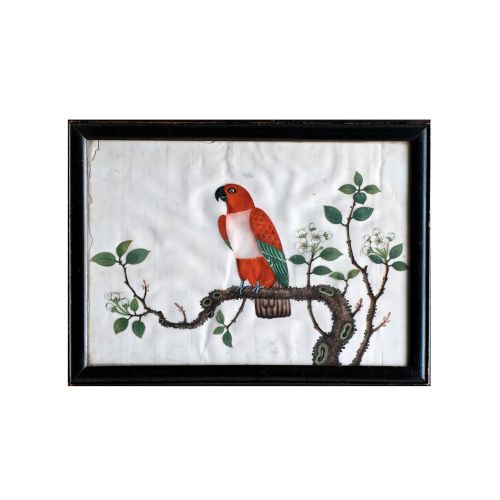
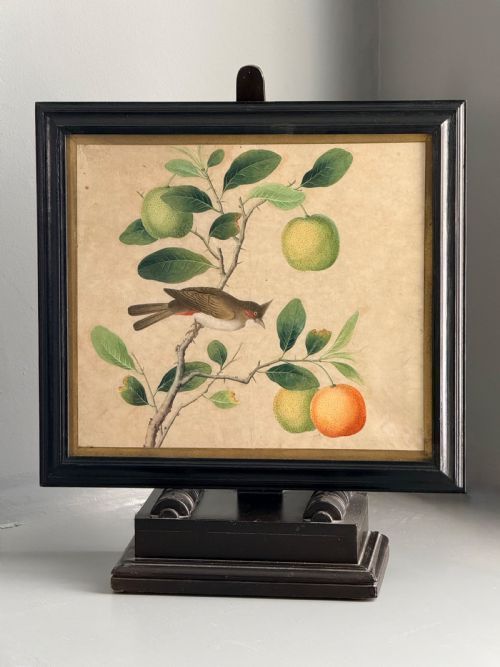
When you search for oriental botanical art, you encounter a range of pieces spanning the eighteenth century, the nineteenth century, and the Edwardian era. These items include framed gouache paintings on pith paper and silk, alongside wall hangings and room dividers.
The selection on this page leans heavily towards Chinese export and Japanese Meiji period works. You will also find items influenced by British aesthetics, such as pieces associated with Liberty and Co and William Morris.
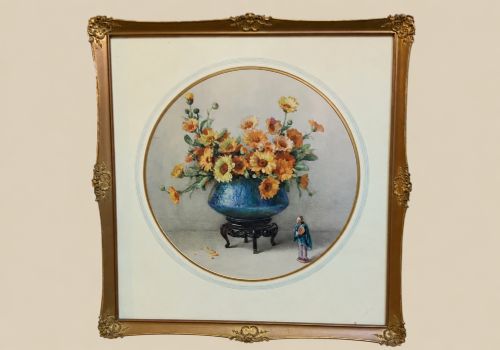
Forms extend beyond flat wall art to functional furnishings including fire screens and plant stands. Each piece captures natural subjects like marigolds and garden birds rendered in traditional styles.
How they were made
Makers utilised specific natural surfaces for fine painting, notably delicate pith paper and smooth silk. Artists applied gouache and watercolour directly to these mediums to achieve vivid botanical and avian detail.
Structural items relied on solid construction methods using wood, brass, and ebonised frames. Lacquer work and cloisonné enamel further demonstrated advanced decorative techniques across panels and chargers.
Oriental Botanical Art Retail Price Guide 2026
Typical asking prices for oriental botanical art among the pieces listed under this phrase on Sellingantiques today, from the lower quarter to the upper quarter. They describe what is for sale here now, not the wider market.
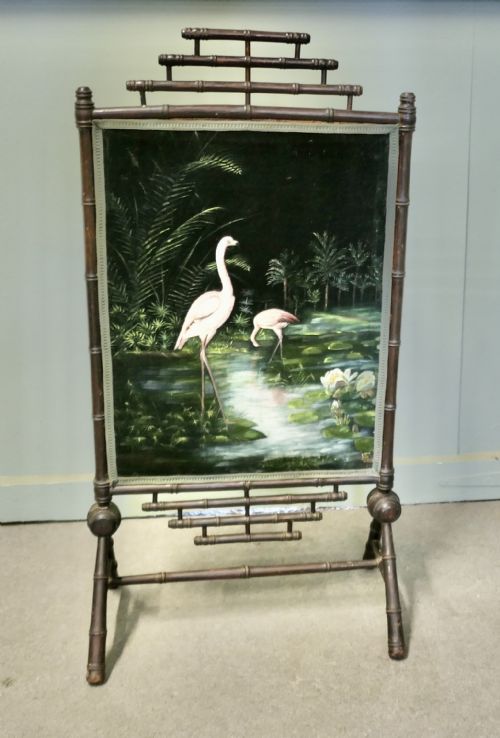
Flamingos stride across black lacquer fire screens, bringing unexpected avian drama directly to the hearth.
What varies in quality
The fineness of the brushwork and the preservation of the delicate pith paper or silk dictate the distinction between ordinary and superior examples. Pigments that retain their original depth without fading elevate a painted panel significantly.
The integrity of the surrounding frame, whether ebonised wood or carved lacquer, contributes to the overall standing of the object. Masterful execution in metalwork details, such as cloisonné, sets finer pieces apart from simpler productions.
The Oriental Botanical Art Glossary
- Pith paper
- A delicate material cut from the pith of the Tetrapanax papyrifer plant, commonly used in nineteenth-century Chinese export painting. It possesses a unique velvet-like texture that absorbs water-based pigments differently than standard paper.
- Gouache
- An opaque water-based medium composed of pigment and binder, frequently utilised in traditional paintings on silk and pith paper. It provides rich, solid colour coverage.
- Cloisonné
- An ancient metalworking technique where enamel is applied within compartments created by soldered wire on a metal base. This method appears on decorative Japanese plates and chargers from the Meiji period.
- Chinoiserie
- European artistic style reflecting Chinese artistic traditions, often incorporated into decorative screens and furnishings. It merges Asian motifs with Western furniture forms.
- Ebonised wood
- Timber treated with a finish to imitate expensive ebony wood, frequently utilised for dark frames and display stands during the nineteenth and Edwardian periods.
Oriental Botanical Art: Frequently Asked Questions
What is pith paper painting?
Pith paper paintings are delicate artworks produced on a spongy plant material during the nineteenth century. They often depict botanical subjects and local customs for the export market.
Because the material is fragile, these works were typically glazed and framed to protect the surface from handling and atmospheric changes.
How do I date a Japanese Meiji piece?
Items from the Meiji period date from 1868 to 1912, corresponding to the reign of Emperor Meiji. Pieces from this era often show exceptional technical skill in metalwork and ceramics.
Looking at the construction techniques and specific decorative motifs helps confirm this distinct historical span.
Where should I place a room divider?
Room dividers function well to segment large spaces or to act as decorative backdrops against a plain wall. They allow you to introduce colour and pattern without permanent alterations to a room.
Ensure the panels are positioned away from direct sunlight to protect painted silk or paper surfaces from fading.
What is Chinese export art?
Chinese export art refers to goods manufactured in China specifically for Western markets from the eighteenth century onwards. These items blended traditional Eastern subjects with European functional forms.
Such pieces range from framed botanical paintings to decorative screens tailored for British and European interiors.