

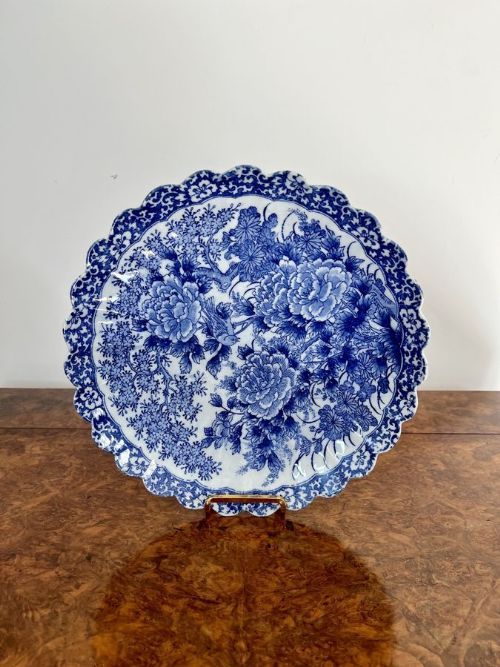


Oriental Blue White Plate
An oriental blue white plate brings centuries of kiln craft into the room, spanning delicate Chinese export wares and bold Japanese chargers.
Oriental Blue White Plate
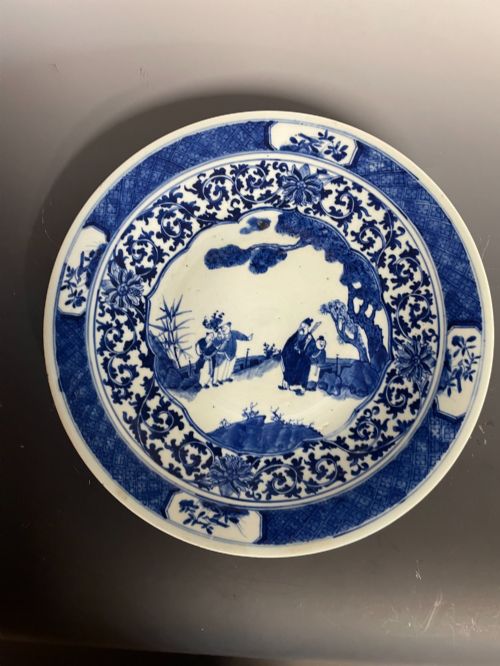
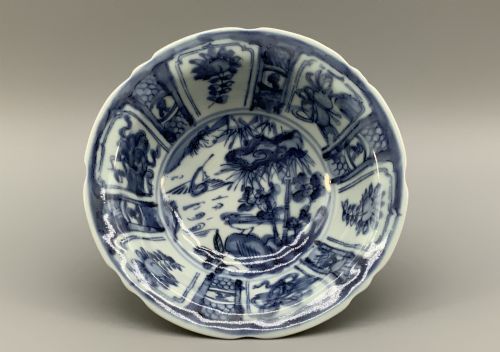
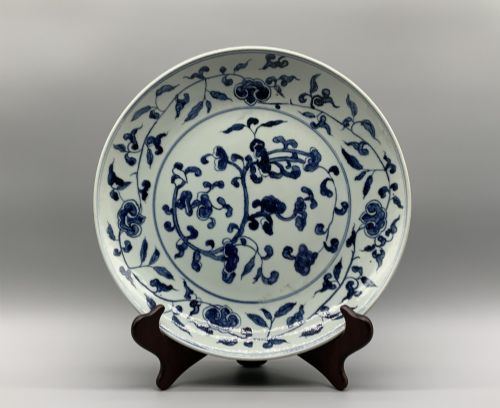
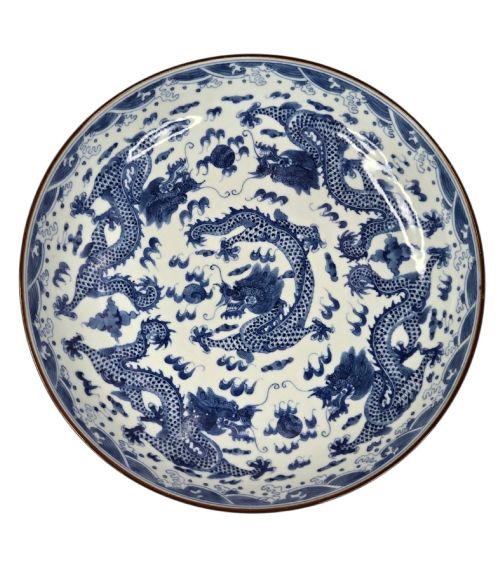
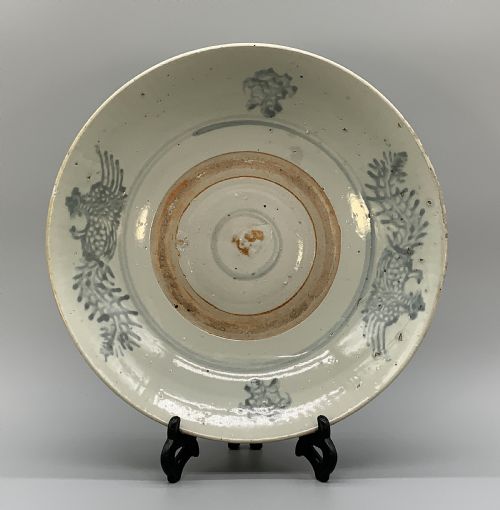
An oriental blue white plate groups together decorative dishes, chargers, and serving platters created across Asia and later interpreted in European potteries. When searching for an oriental blue white plate, buyers meet examples ranging from 17th-century Chinese Ming Dynasty Swatow wares to Japanese Arita and Imari pieces produced around 1900.
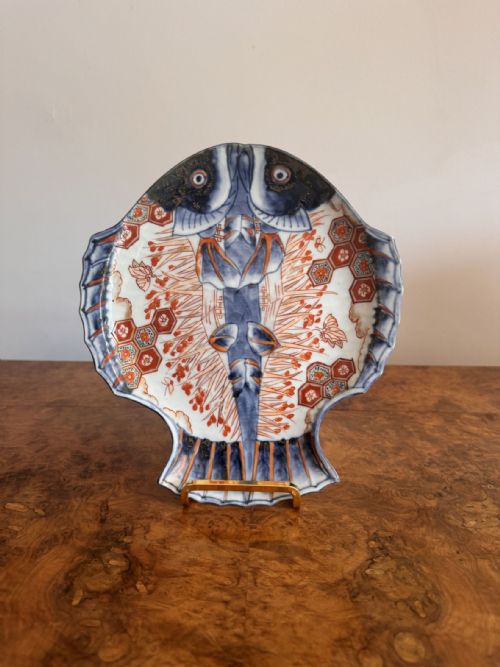
The selection includes circular vessels alongside fish-shaped plates, fan-shaped dishes, and lobed bowls. Many originate from specific historical spans such as the Kangxi period, the Meiji period, or the Qing Dynasty, while others reflect Georgian and Victorian English pottery interpretations.
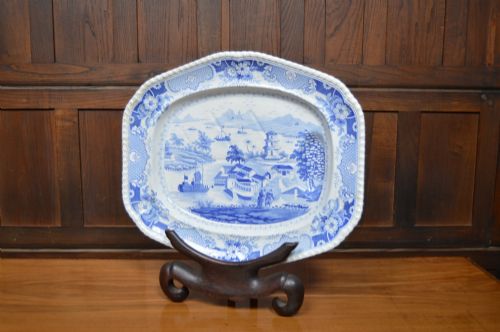
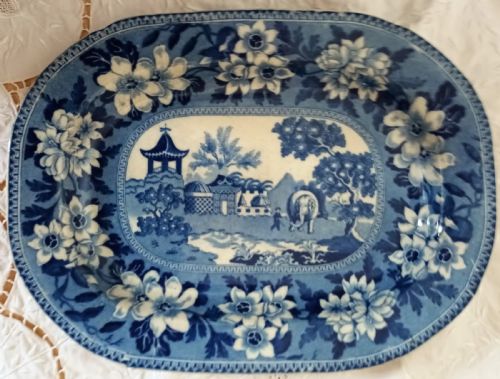
Most entries on this page consist of Japanese Imari chargers and Arita porcelain dishes, alongside Chinese export porcelain and transferware platters. These pieces function primarily as decorative chargers for display or as substantial serving dishes.
How They Were Made
Potters utilised porcelain and earthenware bodies, shaping them into plates, chargers, and platters before applying cobalt pigment beneath a transparent glaze. Cobalt underglaze painting required steady brushwork directly on the raw clay body prior to high-temperature firing.
Certain items incorporate enamel or gold leaf applied over the glaze during a secondary low-heat firing. Transfer printing appears on English pottery versions, transferring printed designs onto earthenware platters.
Fish take solid form here, swimming past dragons and temple gardens as porcelain plates shaped entirely like swimming koi.
What Varies in Quality
The distinction between ordinary production and superior execution rests upon the control of the cobalt pigment and the precision of the hand-painted brushwork. Finer pieces demonstrate crisp, deep cobalt blue tones that sit sharply beneath the glaze without blurring.
Form and moulding define another tier of quality, seen in barbed rims, lobed profiles, and unconventional shapes such as fish or fan contours. The sophistication of the floral, dragon, or koi motifs separates standard decorative items from exceptional works.
J.W.R.·John Rogers & Son
The Oriental Blue White Plate Glossary
- Imari
- A style of Japanese porcelain featuring cobalt blue and iron red, often enriched with gold leaf. It originated in Hizen province and shipped through the port of Imari.
- Charger
- A large decorative plate or platter intended for formal display on a sideboard or wall rather than everyday dining use.
- Arita
- The Japanese town and surrounding region where porcelain production began in the early seventeenth century. Arita kilns produced extensive blue and white wares for export.
- Underglaze
- A decoration method where pigments are applied to the unfired ceramic body before glazing and firing. This technique protects the painted design beneath a glassy layer.
- Transferware
- Earthenware decorated by transferring a printed design from an engraved copper plate onto the ceramic surface. English potteries utilised this method extensively during the Georgian and Victorian eras.
Oriental Blue White Plate: Frequently Asked Questions
How are oriental blue white plates displayed?
These chargers and plates suit wall mounting using specialised hangers or placement upright on sturdy plate stands. Their broad diameters and detailed cobalt designs make them natural focal points in a dining room or study.
Smaller dishes fit well inside glazed cabinets or upon sideboards where their varied contours remain visible close up.
What is the difference between Arita and Imari?
Arita refers to the Japanese production centre where the porcelain was shaped and fired, while Imari describes the decorative style and export port. Many pieces combine both attributes, originating in Arita kilns while displaying classic Imari palettes.
Some Arita items rely solely on cobalt blue underglaze painting, whereas Imari pieces frequently introduce red and gold highlights.
How can I tell the age of these plates?
Dating relies upon stylistic markers, material density, and recorded period reigns such as the Kangxi or Meiji eras. Early pieces from the seventeenth and eighteenth centuries often display heavier potting and deeper cobalt variations.
Later items from around 1900 show standardised forms and distinct export markings, while Victorian transferware pieces reflect British registry and pattern names.