





Oriental Art Print
These oriental art print pieces bring together Japanese Ukiyo-e, Chinese Export, and Victorian styles to transform a room with historical depth.
Oriental Art Print
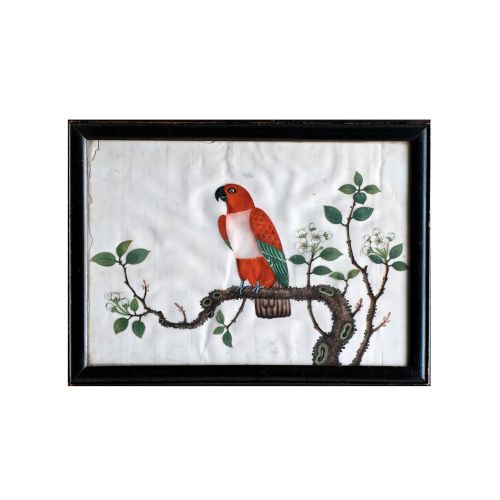
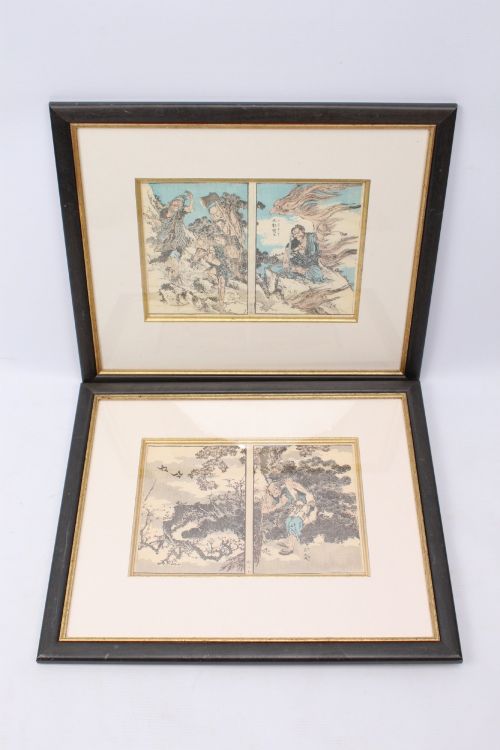
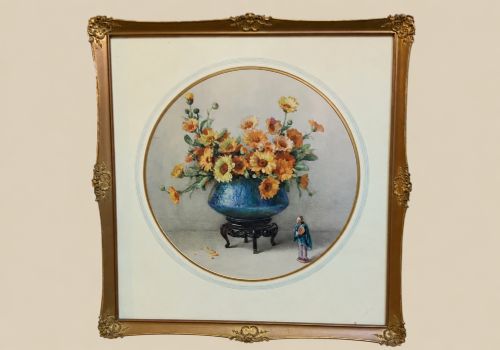
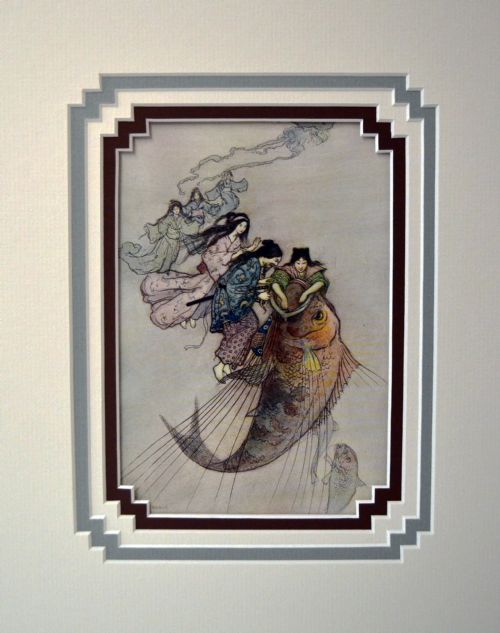
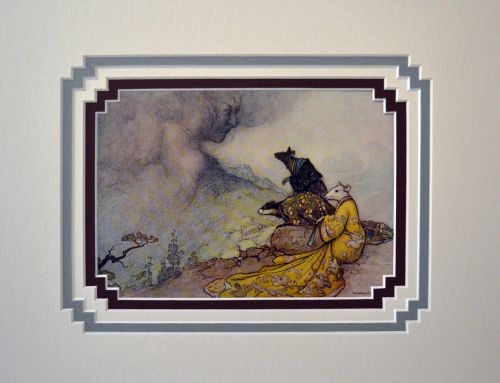
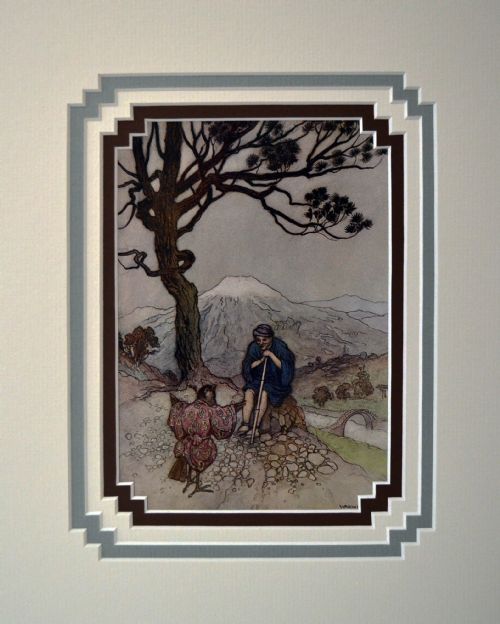
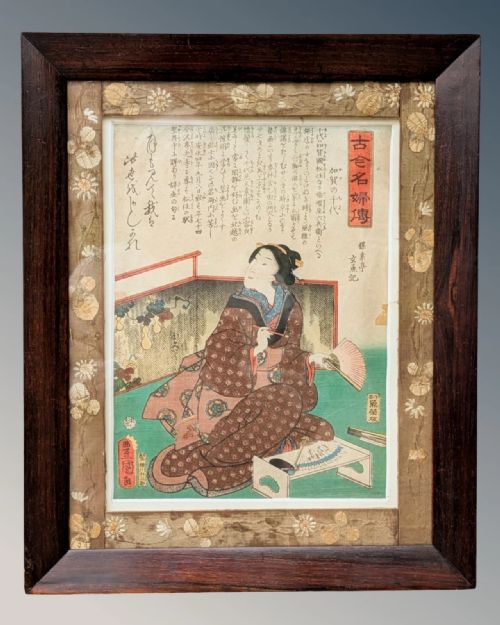
An oriental art print encompasses various historical forms, most notably Japanese woodblock prints from the 18th and 19th centuries, alongside Chinese pith paintings and watercolour works. Buyers frequently encounter framed woodblock prints created during the Edo period or the Victorian era, often featuring traditional subjects such as the Seven Lucky Gods or scenes by notable creators.
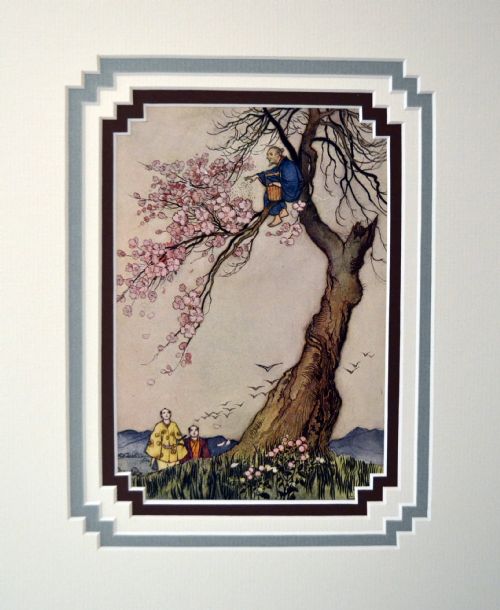
The selection also includes early 20th-century first edition prints from fairy tale series and large-scale brass rubbings depicting subjects like Tang horses. Works range from single sheets to matched sets housed in rosewood frames with silk brocade mounts, reflecting diverse cultural aesthetics from Japan and China.
Materials and methods
Makers utilised traditional mediums including ink, watercolour pigment, and gold leaf applied to paper, card, and pith paper. Woodblock prints relied on carved wooden blocks to transfer detailed line work and colour onto sheets.
Framing materials incorporate wood, glass, and mountboard, with specific pieces enhanced by silk brocade mounts and rosewood frames.
Oriental Art Print Retail Price Guide 2026
Typical asking prices for oriental art print among the pieces listed under this phrase on Sellingantiques today, from the lower quarter to the upper quarter. They describe what is for sale here now, not the wider market.
Materials across these listings include paper, glass, wood, ink, gold leaf, mountboard, card, and watercolour pigment.
What drives quality
Quality rests upon the clarity of the printed line, the vibrancy and preservation of the pigments, and the authenticity of the period execution. Earlier woodblock impressions and distinct brushwork in watercolours or gouache distinguish finer examples.
The integrity of accompanying elements such as period rosewood frames and silk brocade mounts further elevates the physical standard of the piece.
Katsukawa Shunshō·Warwick Goble·Kitagawa Utamaro·Kunisada·Otto Pilny
The Oriental Art Print Glossary
- Woodblock print
- A technique where an image is carved into a wooden block, inked, and pressed onto paper. This method produced the majority of Japanese visual art seen in this category.
- Ukiyo-e
- A genre of Japanese art translating to pictures of the floating world, depicting scenes of everyday life and folklore. This style dominates the woodblock selections from the Edo period.
- Pith paper
- A delicate material made from the pith of the Tetrapanax papyrifer plant, commonly used for Chinese gouache paintings in the 19th century.
- Brass rubbing
- An impression made by placing paper over a brass plaque and rubbing it with pigment to capture the engraved design. These often depict historical motifs like Tang horses.
Oriental Art Print: Frequently Asked Questions
How do I hang a framed woodblock print?
Protect these works from direct sunlight to preserve the delicate inks and paper substrates over time. Use stable wall anchors suited to the weight of the frame and glass.
Keep them away from moisture sources to maintain the condition of paper, mountboards, and silk brocade surrounds.
What is the difference between woodblock prints and pith paintings?
Woodblock prints are mechanically pressed using carved blocks and water-based inks on paper. They often feature registered colour areas and traditional Japanese motifs.
Pith paintings are hand-painted watercolours or gouache applied directly to plant-derived pith paper, frequently originating from 19th-century China.
How can I tell the Edo period pieces apart?
Edo period pieces, such as those from the 18th century, display specific characteristics of traditional Japanese printmaking techniques and subject matter like the Seven Lucky Gods. They contrast with later Victorian and 20th-century interpretations.
Examining the paper type and printing clarity helps distinguish these earlier works from later editions.
Where were pith paintings made?
These gouache paintings were produced in China during the 19th century, often for export markets. Artists painted them on fragile pith paper using vibrant pigments.
They frequently depict still lifes or regional cultural scenes intended for Western collectors.