
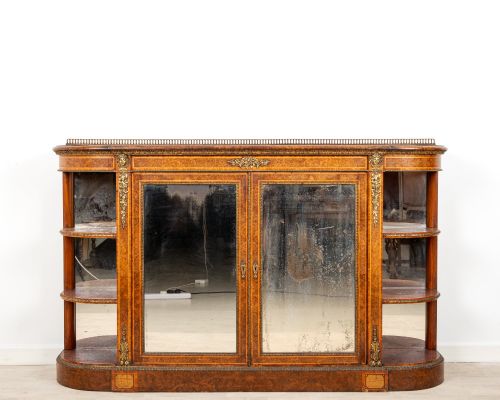
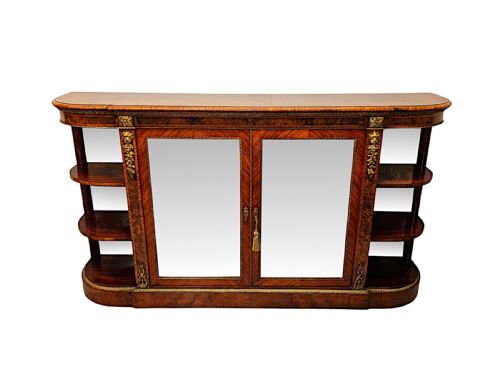
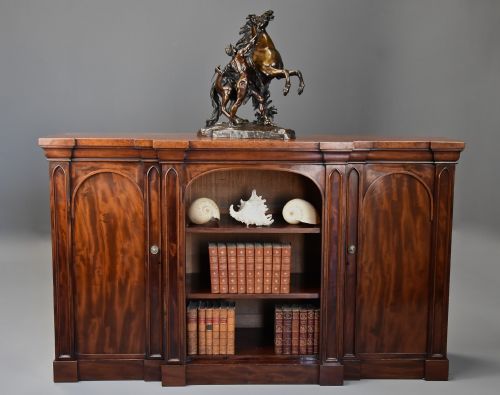
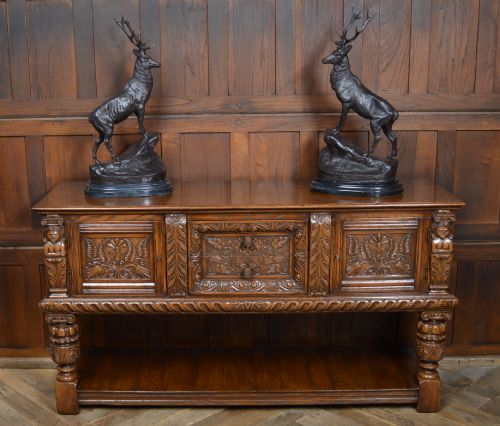
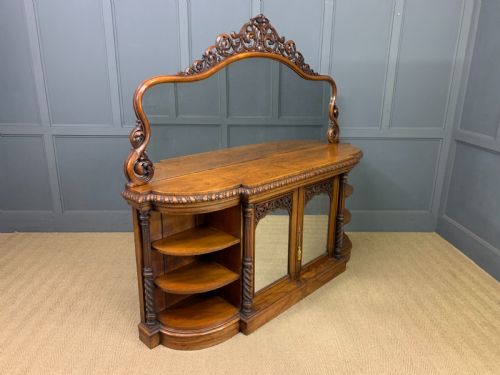


Open Shelf Credenza Sideboard
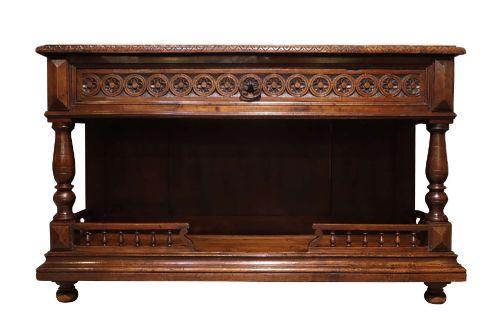
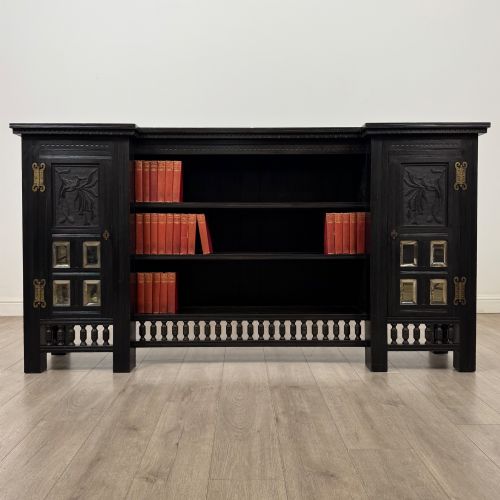
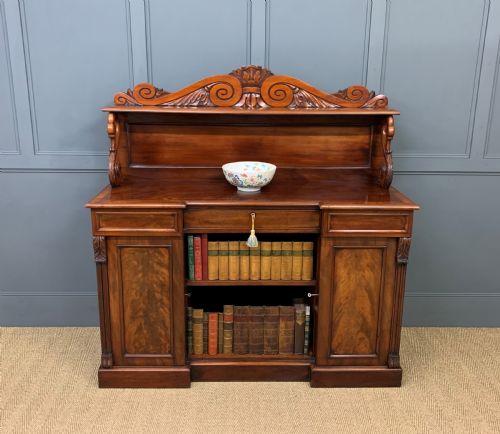
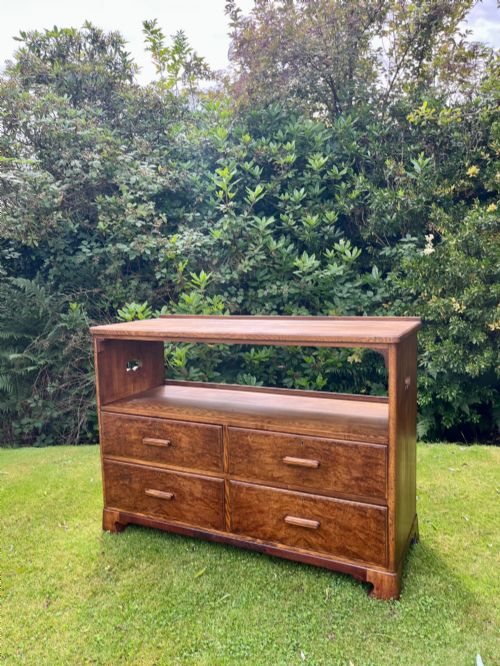
These open shelf credenza sideboard pieces combine storage and display, offering a practical surface and shelving for rooms that need both elegance and utility.
Open Shelf Credenza Sideboard
When you search for an open shelf credenza sideboard, you encounter a varied group of large storage furniture ranging from mid-nineteenth century walnut examples to Edwardian and earlier Regency forms.
The pieces appearing here include credenzas, side cabinets, bookcases, chiffoniers, and sideboards, many featuring open shelves or mirrored doors alongside timber construction.
Victorian burr walnut pieces with ormolu mounts and glass elements feature prominently alongside mahogany and rosewood items from the nineteenth century.
Indicators of Quality
Quality rests on the selection of timber figures, such as burr walnut or flame mahogany, and the crispness of brass or ormolu mounts.
Finishing details, including the integration of mirrored doors and the precision of inlaid work, distinguish finer workshop productions from standard pieces.
Listings span multiple decades, incorporating Victorian burr walnut, Regency mahogany, and Edwardian mirror-back formats.
Gillows·Whytock and Reid·Maple and Co.·Krieger of Paris
The Open Shelf Credenza Sideboard Glossary
- Credenza
- A low dining-room sideboard or cabinet, frequently featuring glazed doors or open shelving for display.
- Ormolu
- Gilt-bronze mounts applied to furniture as decorative enrichment during the nineteenth century.
- Chiffonier
- A low sideboard or cabinet, often equipped with shelves on the top surface.
- Burr Walnut
- A highly figured wood veneer taken from the wart or burl of the walnut tree, prized for swirling patterns.
Open Shelf Credenza Sideboard: Frequently Asked Questions
What is an open shelf credenza sideboard?
These items function as combined display and storage furniture, incorporating open shelves alongside enclosed cabinet space for rooms requiring decorative utility.
They appear across various nineteenth and early twentieth-century styles, utilising timbers like walnut and mahogany.
How were these cabinets used historically?
Dining rooms and parlours utilised these pieces to store tableware, display ceramics, and hold books upon open or mirrored shelves.
The integration of shelves allowed households to exhibit decorative objects alongside functional enclosed storage.
How do I style one in a modern home?
Place the piece against a main wall in a living room or dining area to anchor the space and provide surface display.
Balance books and ceramics on the open shelves whilst keeping the timber surfaces clear to highlight the grain.
How do I identify Victorian examples?
Victorian pieces frequently employ burr walnut veneers, brass or ormolu mounts, and mirrored doors or open upper shelving.
Construction from this period also involves mahogany and rosewood with heavy, substantial proportions.