



Open Rack Dresser Cupboard
An open rack dresser cupboard serves as a practical storage unit and display centre for domestic wares.
Open Rack Dresser Cupboard
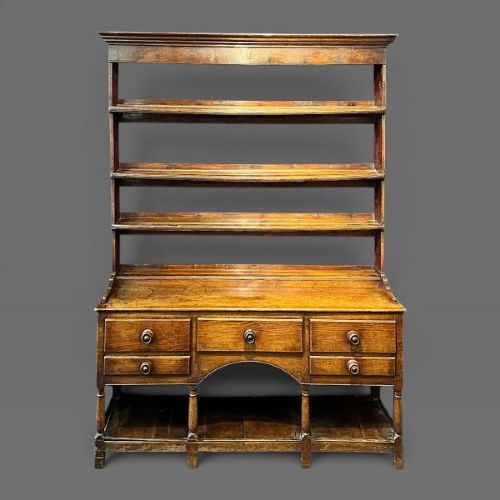
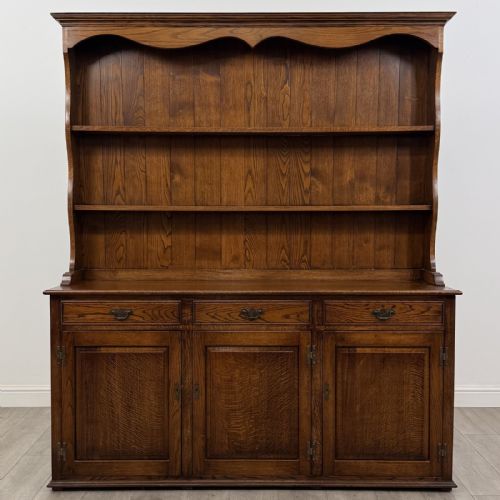
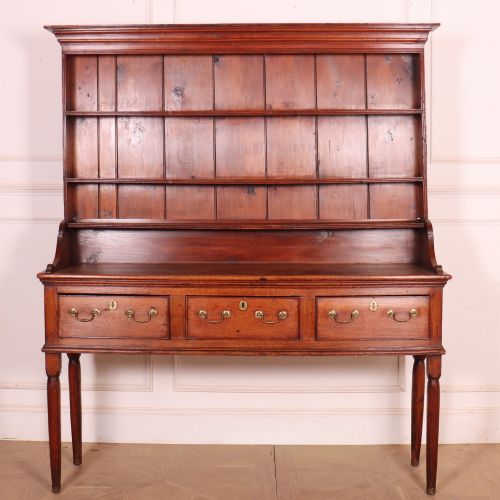
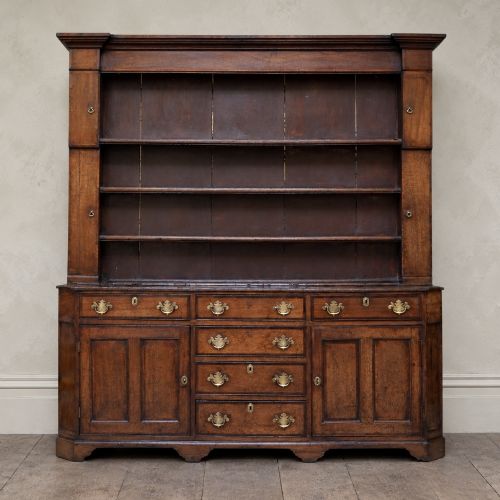
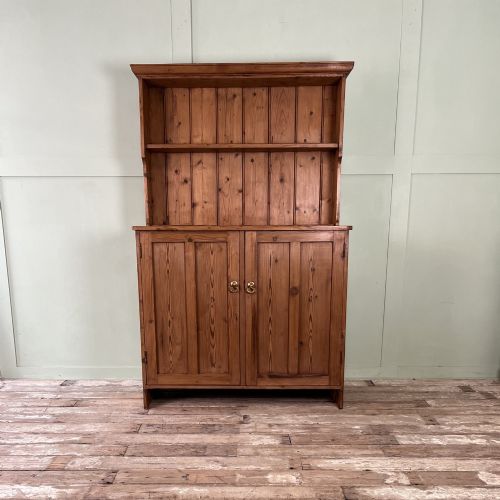
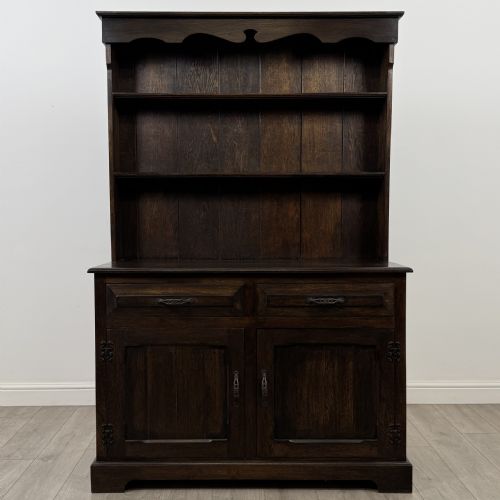
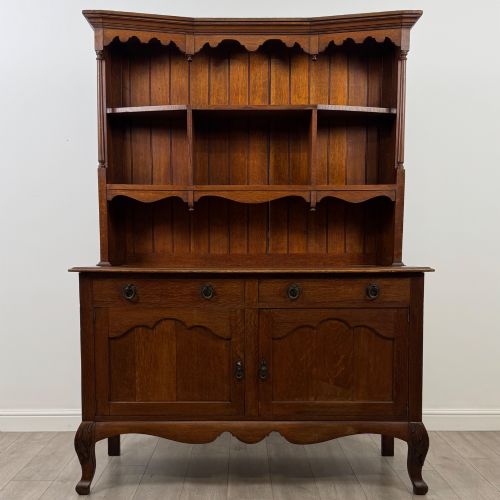
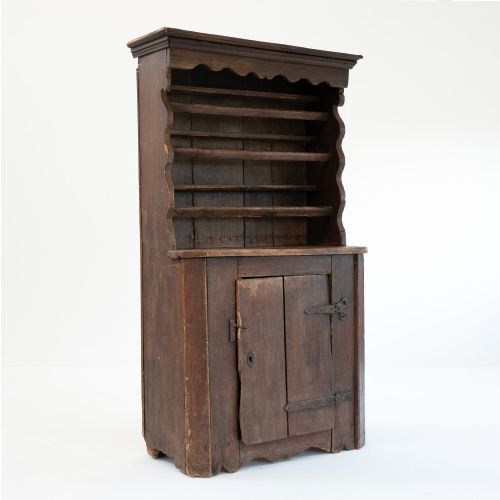
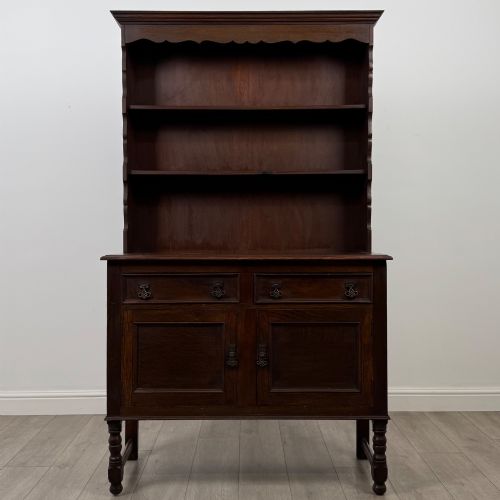
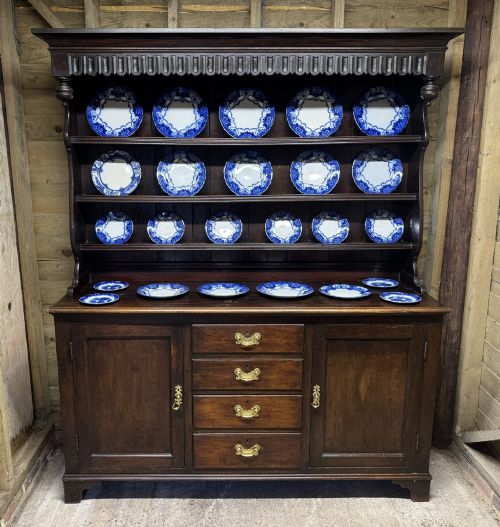
An open rack dresser cupboard combines a lower base of drawers and cupboards with an upper set of open shelves for plates.
Most examples found in these listings originate from regional British traditions such as Welsh, West Country, and northern workshops.
The form spans the eighteenth and nineteenth centuries, taking shape in native timbers like oak and pine.
How they were made
Cabinet makers utilised solid timbers including oak, pine, elm, and mahogany, often pairing denser woods for the carcass with secondary softwoods.
Joinery techniques relied on pegged mortise and tenon frames, hand-dovetailed drawer construction, and backboards fixed with handmade iron nails.
Surfaces received finishes ranging from clear wax and polish to early layers of paint or folk art decoration.
Open Rack Dresser Cupboard Retail Price Guide 2026
Typical asking prices for open rack dresser cupboard among the pieces listed under this phrase on Sellingantiques today, from the lower quarter to the upper quarter. They describe what is for sale here now, not the wider market.
Listings span the eighteenth to the early twentieth century, incorporating periods from Georgian and Victorian to Edwardian.
What varies in quality
The proportion between the upper plate rack and the lower base dictates the visual balance of the piece.
The integrity of the timber, the crispness of hand-carved details, and the survival of original brass or wrought iron handles distinguish finer examples.
The Open Rack Dresser Cupboard Glossary
- Pot board
- A low open shelf fitted between the legs at the base of a dresser, originally designed for storing heavy pots and pans.
- Bread and cheese cupboard
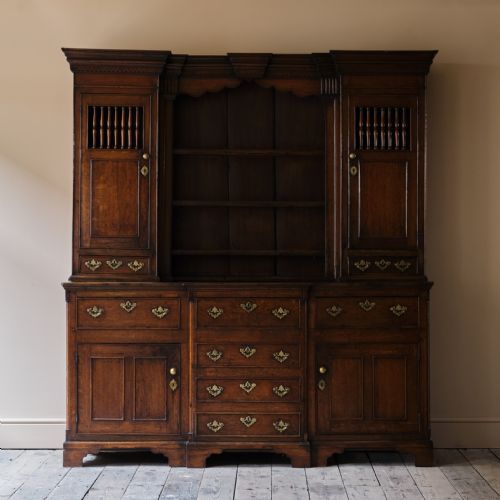
- A regional vernacular cupboard section incorporated into the dresser base, featuring pierced ventilation splats to keep dairy and dry goods fresh.
- Platerack
- The upper wooden shelving structure fitted with vertical slats or grooves to display plates upright.
- Breakfront
- A cabinet front where the central section projects forward beyond the flanking sides.
Open Rack Dresser Cupboard: Frequently Asked Questions
Where were open rack dressers used?
These pieces traditionally stood in the kitchens and pantries of country houses and farmhouses for everyday culinary storage.
Over time, families moved them into dining rooms to display decorative ceramics and pewter.
How do I date an oak dresser?
Cabinet makers built earlier pieces using hand-sawn timbers, pegged joints, and individual drawer boards with distinct hand-cut dovetails.
Later Victorian and Edwardian examples often incorporate machine-cut boards and standardised fixings.
What is a pot board base?
A pot board base consists of a solid wooden platform positioned near the floor between the lower legs of the furniture.
This platform raised heavy iron cookware off damp stone kitchen floors.
Are pine dressers later than oak ones?
Pine and softwood versions appear frequently in nineteenth-century country contexts, while eighteenth-century iterations lean heavily toward native oak and elm.
Regional preferences across Wales, the West Country, and northern shires also dictated the choice of timber.