


Open Face Library Display
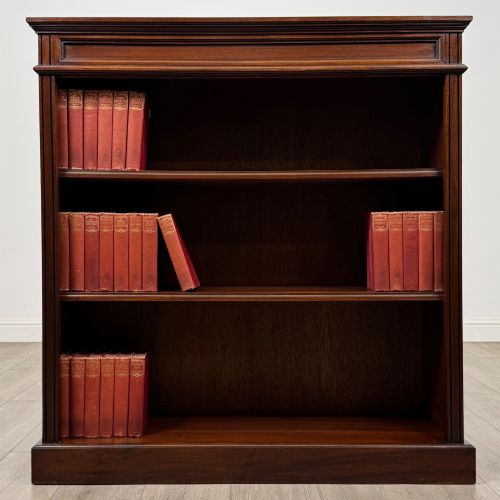
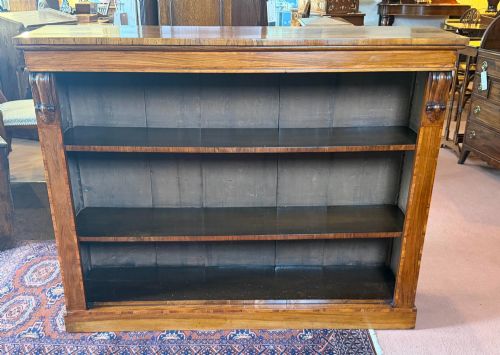
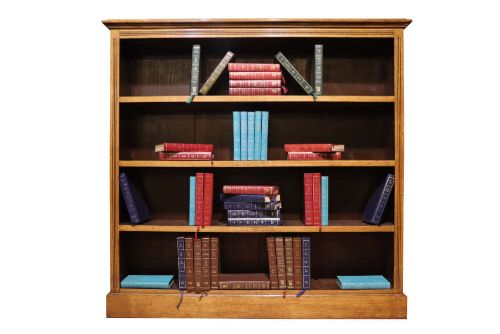
These open face library display pieces are substantial timber bookcases designed for accessible book storage and room organisation.
Open Face Library Display
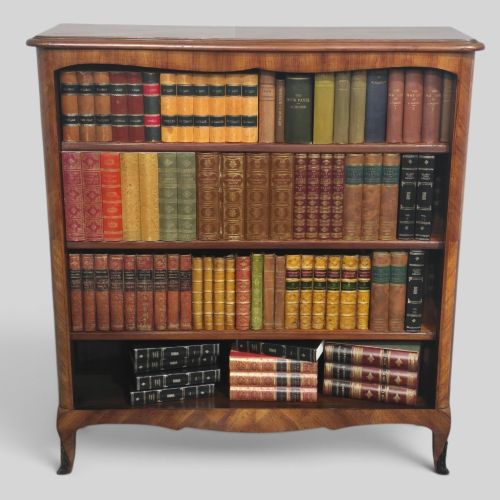
When you search for open face library display, you are looking at substantial bookcases and open shelving designed to hold books while exposing the volumes to the room. The pieces seen here span from the eighteenth century through the Victorian and Edwardian eras into the early twentieth century.
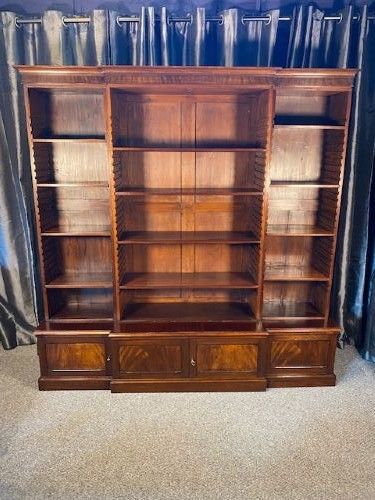
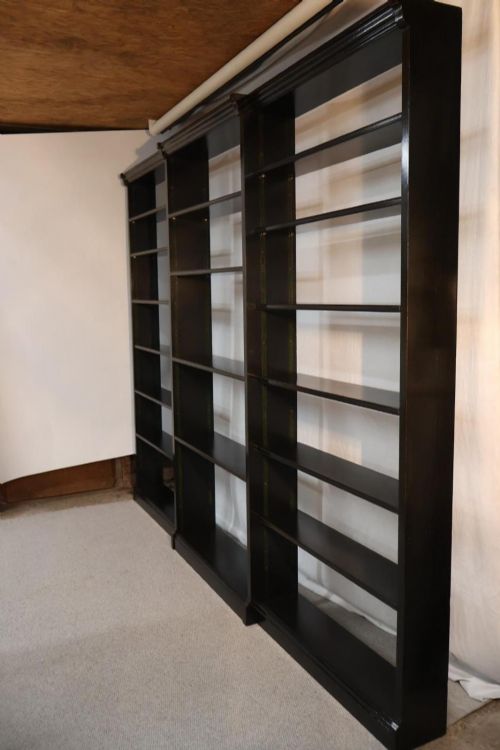
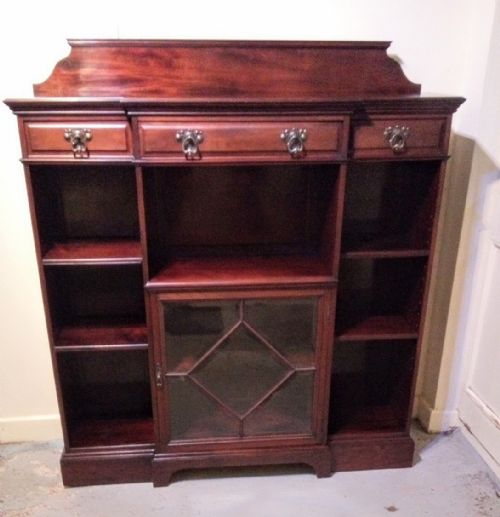
You are most likely to meet oak and mahogany examples on this page, alongside walnut, birdseye maple, and ebonised timber variants. Forms range from simple upright bookcases to breakfront and adjustable library bookcases.
Origin and period vary significantly, taking in traditional English cabinetmaking as well as French styling such as Louis XV. Collectors encounter both modest domestic shelving and grander architectural commissions.
How they were made
Cabinetmakers constructed these bookcases using solid timbers like oak, mahogany, and walnut, frequently applying flame mahogany or walnut veneer to key display surfaces. Ebonised timber and birdseye maple also appear across the periods represented.
Many examples incorporate practical interior engineering, notably adjustable shelves supported by wooden or metal hardware to accommodate volumes of varying heights.
Sir Charles Barry designed a maple bookcase here, perhaps taking a short break from sorting out the Houses of Parliament.
What varies in quality
The sophistication of the timber selection and veneer work distinguishes standard domestic shelving from pieces commissioned for substantial libraries. Finer examples display carefully matched grain patterns, such as flame mahogany or birdseye maple.
Structural ambition also sets pieces apart, moving from straightforward upright bookcases to breakfront designs and complex architectural forms created by notable architects or workshops.
Sir Charles Barry
The Open Face Library Display Glossary
- Breakfront
- A cabinet or bookcase whose central section projects forward from the flanking wings. This architectural arrangement creates depth and visual rhythm across a large wall.
- Adjustable shelves
- Shelving that can be moved up and down to accommodate books of different heights. This indicates a functional piece intended for a working library rather than static display.
- Ebonised timber
- Wood treated with a chemical stain or finish to imitate ebony. This dark, formal surface treatment became particularly popular during the nineteenth century.
- Birdseye maple
- A figured maple wood showing small, swirling dots resembling tiny bird eyes. It creates a highly decorative surface when applied to cabinet furniture.
Open Face Library Display: Frequently Asked Questions
What is an open face library display bookcase?
An open face library display bookcase is a piece of tall furniture designed to hold books on open shelves without glazed or solid doors. This allows for immediate access to the volumes and exposes the book spines as part of the room decor.
Such pieces range from simple domestic shelving units to large architectural bookcases designed for institutional or grand residential libraries.
How do I date an antique open bookcase?
Dating an open bookcase involves examining the primary timbers, construction methods, and stylistic details. Pieces from the eighteenth century display different carcass assembly techniques compared to Victorian or Edwardian examples.
Secondary woods, hardware types, and the presence of adjustable shelf mechanisms also provide reliable clues to the exact period of manufacture.
Are the shelves usually adjustable in these bookcases?
Many antique open bookcases feature adjustable shelves, though simpler domestic pieces sometimes have fixed shelving. Adjustable systems often utilise wooden support strips, pegged holes, or metal hardware.
This adaptability was essential for working libraries where book formats varied widely from octavo volumes to large folios.
How should I care for a timber bookcase?
Timber bookcases require stable room conditions away from direct sunlight and extreme temperature fluctuations to prevent wood splitting and veneer lifting. Regular dusting with a soft, dry cloth maintains the polished finish without chemical buildup.
Overloading shelves should be avoided to prevent sagging, particularly in longer open spans.