
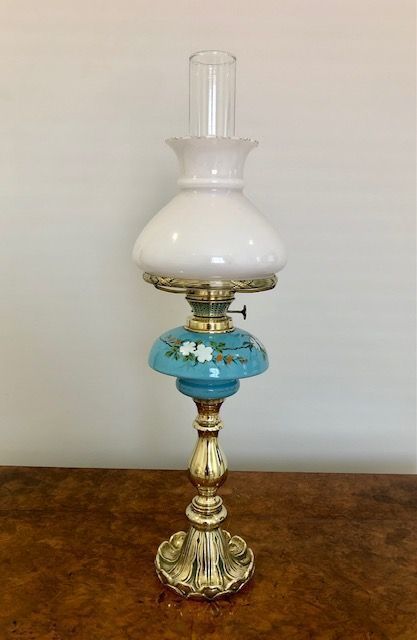


Opal Glass Light Shade
Opal glass light shade designs diffuse a warm, soft interior glow and survive from the late nineteenth century through the mid-twentieth century.
Opal Glass Light Shade
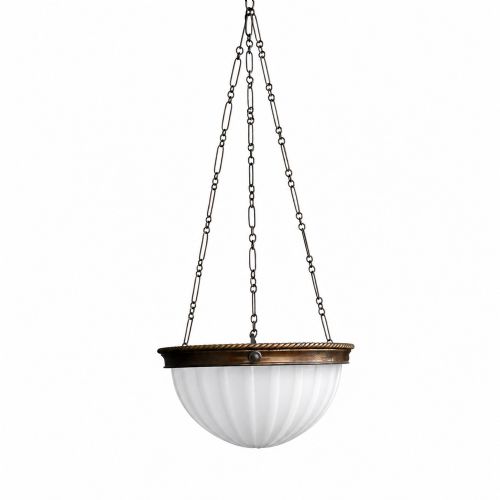
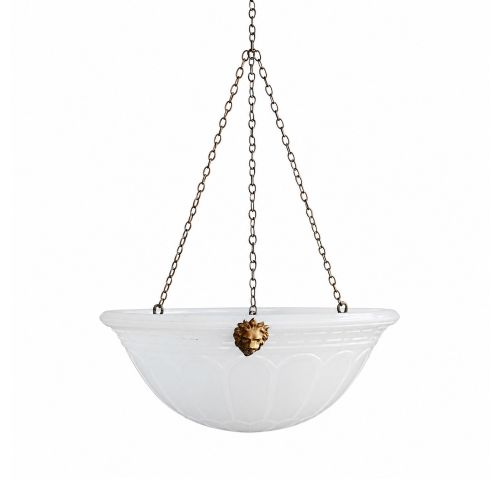
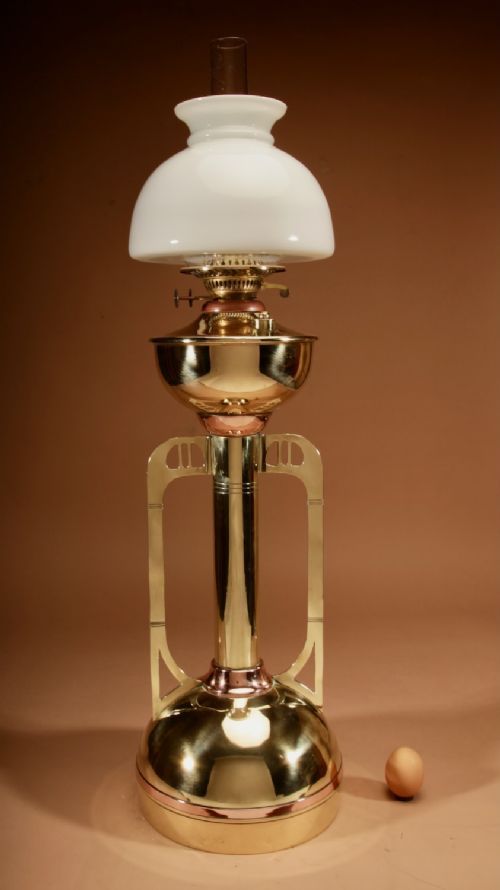
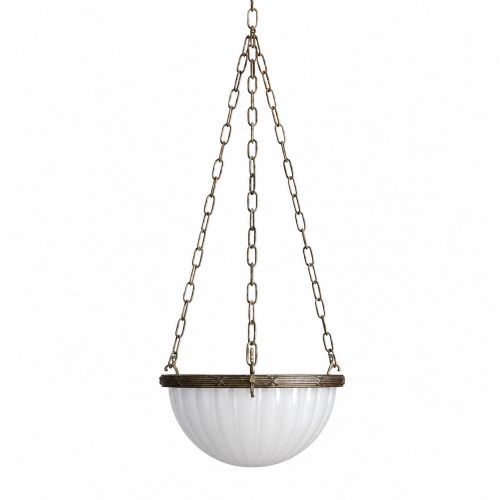
An opal glass light shade is a translucent lighting fixture designed to soften harsh bulb glare while illuminating domestic, industrial or municipal spaces. When you search for an opal glass light shade, you encounter varied forms that span pendant lights, ceiling fixtures, table lamps and oil lamp globes.
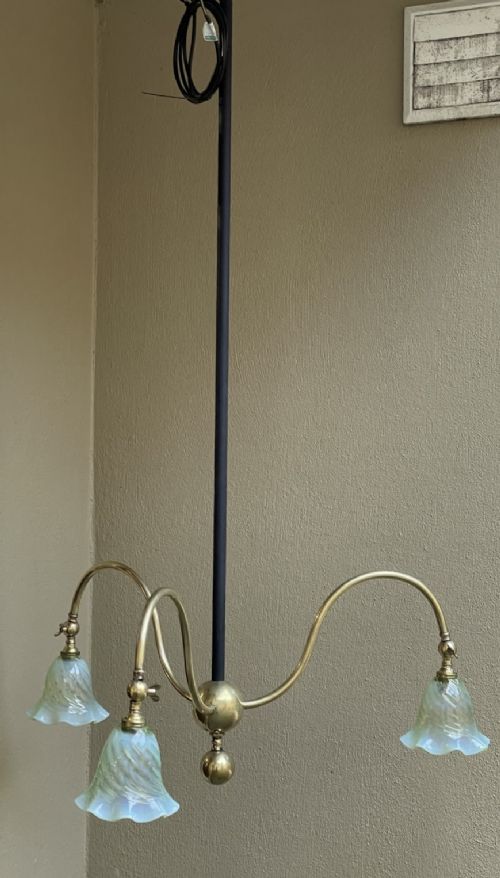
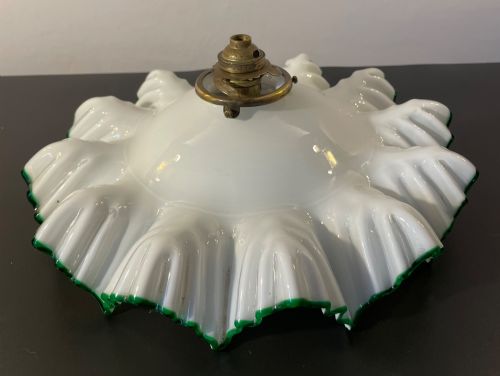
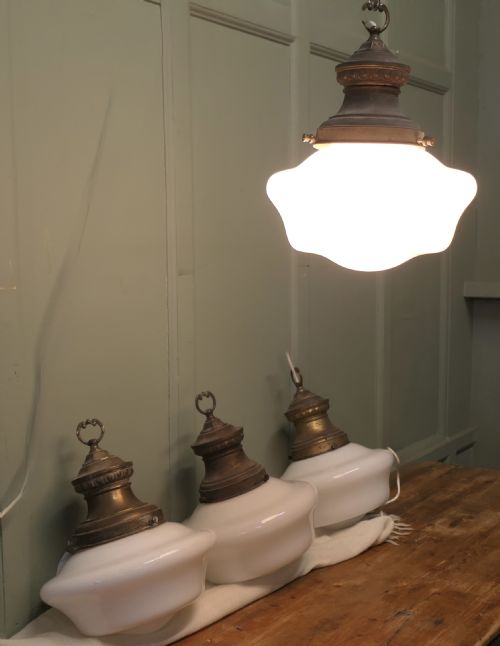
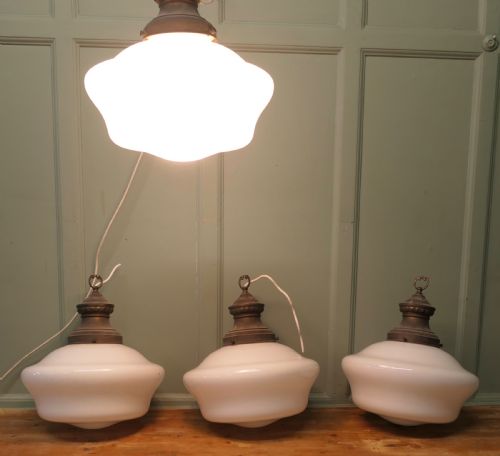
The pieces appearing here cross multiple eras, originating predominantly from the early twentieth century, the Edwardian period and the Victorian era. You find specific iterations ranging from industrial ceiling lights and pharmacy pendants to French frill shades and Arts and Crafts ceiling bowls.
Makers and designers worked within distinct stylistic movements including Art Deco, Secessionist, Gothic and Mid-Century Modern designs. Materials paired with these glass shades frequently incorporate brass, copper, metal and ceramic elements.
How they were made
Glassblowers and manufacturers produced these shades using specialised glass formulations that achieved a milky, opalescent or moonstone opacity. This created a diffusive quality that separated them from clear or entirely opaque vessels.
Metal components such as brass galleries, copper chains, and metal suspension fitments were fabricated to secure the delicate glass bowls and globes safely. Artisans combined these structural metals with the glass shades using fitted rings and screws during assembly.
Old pharmacy pendants once illuminated rows of mysterious tinctures before finding new life diffusing light over modern kitchen islands.
What varies in quality
Quality in these lighting components rests upon the depth, consistency and density of the glass itself, alongside the integrity of any paired metal galleries. Heavier moonstone and opaline glass formulations demonstrate superior substance compared to thinner commercial alternatives.
The distinction between standard utility lighting and superior pieces involves the refinement of the metalwork, such as chased brass fittings, original copper chains, and maker-attributed designs. Harmonious proportions between the glass shade and its supporting hardware determine the overall success of the piece.
Gustave Serrurier Bovy·Sabino·P Maynadier
The Opal Glass Light Shade Glossary
- Opal glass
- A translucent, milky white glass created by adding bone ash, arsenic or other agents to the molten batch. It diffuses light evenly without complete transparency.
- Moonstone glass
- A specific type of softly glowing art glass with a cloudy, ethereal appearance reminiscent of moonstones. It was widely utilised in early twentieth-century lighting.
- Gallery
- The metal ring or collar that grips the top rim of a lampshade and connects it to the suspension hardware or lamp base.
- Opalescent
- Exhibiting a milky iridescence that shimmers with subtle tones when lit from within. This effect is characteristic of certain decorative shades from the Art Deco period.
- Torchiere
- A tall floor lamp designed to direct light upwards toward the ceiling. These fixtures often feature prominent glass shades or bowls.
Opal Glass Light Shade: Frequently Asked Questions
What is an opal glass light shade?
An opal glass light shade is a translucent glass fixture created to soften interior illumination while casting an even, glare-free glow across a room. These shades appear in diverse forms including pendant bowls, industrial pendants and oil lamp globes.
They survive from the nineteenth and twentieth centuries, reflecting changing domestic tastes from Victorian oil lamps to Art Deco and industrial electric lighting.
How do I hang an antique pendant light?
Hanging an antique pendant light typically involves securing a ceiling suspension or brass gallery to an overhead joist and connecting the wiring safely. Many pieces retain original brass rings, copper chains or ceiling roses that dictate their hanging height.
Because original wiring seldom meets modern electrical standards, a qualified electrician should inspect and rewire the fitting prior to installation.
How do I clean antique opal glass?
Cleaning antique opal glass requires warm water, mild soap and a soft cloth to remove accumulated dust without abrading the delicate surface. Harsh chemical cleaners and abrasive scouring pads must be avoided to protect the milky finish.
Metal galleries should be unscrewed and cleaned separately to prevent moisture from becoming trapped between the glass and the metal collar.
How can I date my light shade?
Dating a shade relies on examining its manufacturing technique, glass colour, fitter rim shape and stylistic markers associated with periods like Edwardian or Art Deco. Industrial pendants often feature heavier iron or brass hardware typical of the early twentieth century.
Comparative analysis with documented examples from makers or period catalogues helps narrow down the decade of production.