



Onyx Base Dancer Sculpture
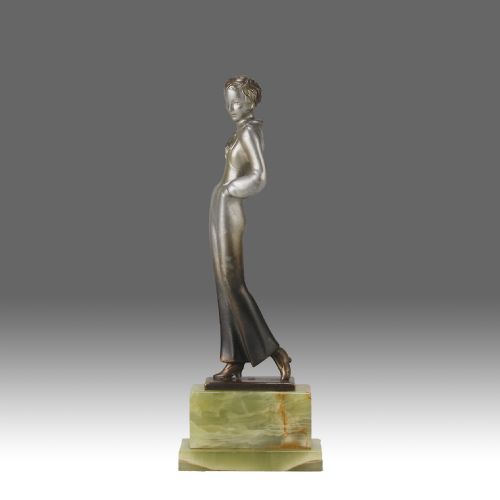
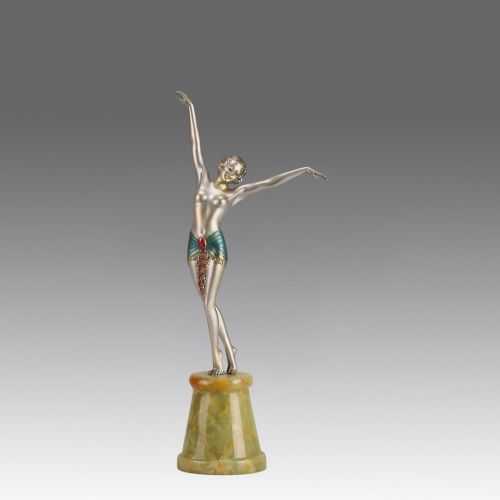
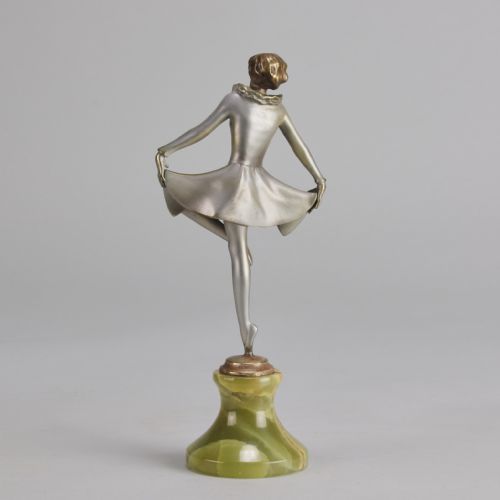
These onyx base dancer sculpture pieces capture the energetic spirit of the early twentieth century through dynamic figures.
Onyx Base Dancer Sculpture
An onyx base dancer sculpture typically belongs to the Art Deco movement of the 1920s and 1930s. These pieces depict female dancers, ballerinas and performers caught mid-movement.
The version most commonly met on this page combines a cast metal figure mounted directly onto a polished stone plinth. They reflect the fascination with modern dance and theatrical performance during the interwar years.
Materials and casting methods
Foundry workers cast these figures in bronze or spelter before finishing the surfaces with cold paint, silvering or gilding. Some notable examples incorporate carved ivory elements for the faces and hands.
Mounting the completed metalwork onto bases made of onyx or marble provided stability and contrast. The stone plinths were cut and polished to geometric shapes characteristic of the period.
Materials recorded on this page include cold-painted surfaces, silvered bronze, gilt bronze and carved ivory details.
Distinctions in craftsmanship
Selection of the mounting stone also marks a difference in execution, with richly variegated onyx commanding greater attention than plain or uniform marble.
Josef Lorenzl·Paul Philippe·Pierre Le Faguays·Claire Colinet·Demetre Chiparus
The Onyx Base Dancer Sculpture Glossary
- Art Deco
- A design style spanning the 1920s and 1930s characterised by sleek lines, geometric forms and stylised representations of the human figure. It dominated decorative arts during the interwar period.
- Spelter
- A zinc alloy commonly utilised as a less expensive alternative to bronze for figural casting. It was frequently painted or electroplated to imitate more costly metals.
- Cold-painted
- A method of applying non-fired oil or varnish paint directly onto metal surfaces. This technique allowed for vibrant polychrome decoration on early twentieth-century sculptures.
Onyx Base Dancer Sculpture: Frequently Asked Questions
What materials make up these sculptures?
These sculptures combine cast metals such as bronze and spelter with stone plinths made from onyx or marble. Some examples also incorporate ivory for facial details.
Surface finishes include cold paint, silvering and gilding to enhance the visual texture of the clothing and hair.
Which period do these pieces date from?
The pieces originate from the early twentieth century, specifically the decades of the 1920s and 1930s. This era coincided with the height of the Art Deco movement.
Creators captured the modern dance crazes and theatrical performances of the interwar years in their work.
How were these figures displayed originally?
Sculptures of this type served as decorative mantel ornaments and table centerpieces in homes of the period. Their heavy stone bases kept them stable while showcasing the dynamic poses.
Collectors today place them on desks, pedestals or specialised shelving where light can catch the metal patinas.
How do bronze and spelter differ?
Bronze is a durable copper alloy capable of holding fine chisel work and complex casting details. Spelter is a softer zinc-based alternative that was cheaper to produce.
Both metals received surface treatments like cold painting, meaning careful inspection of the weight and underside is necessary to identify the material.