

Old Painting
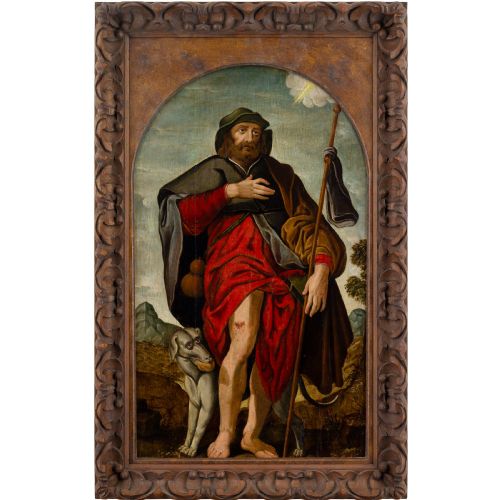
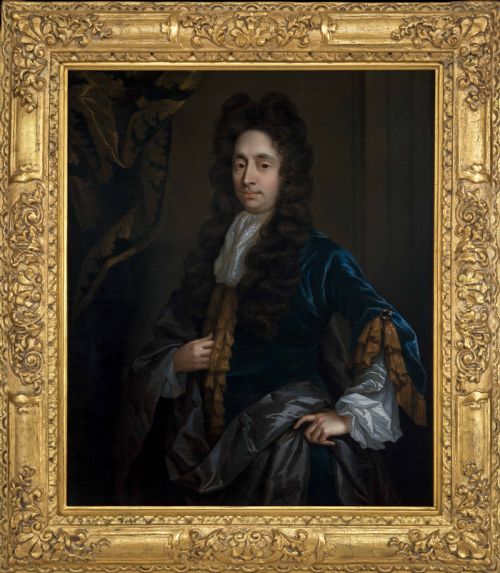
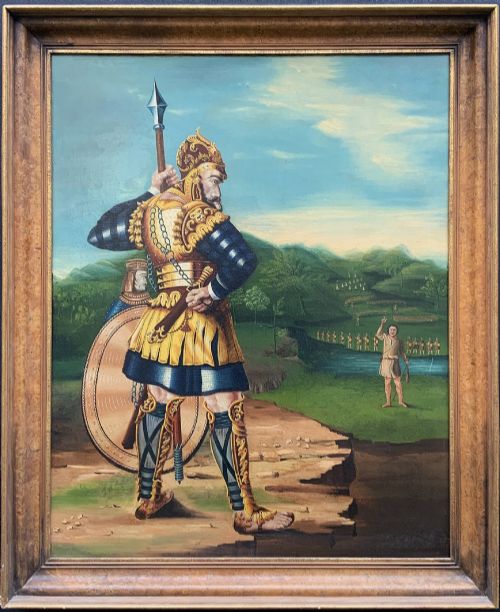
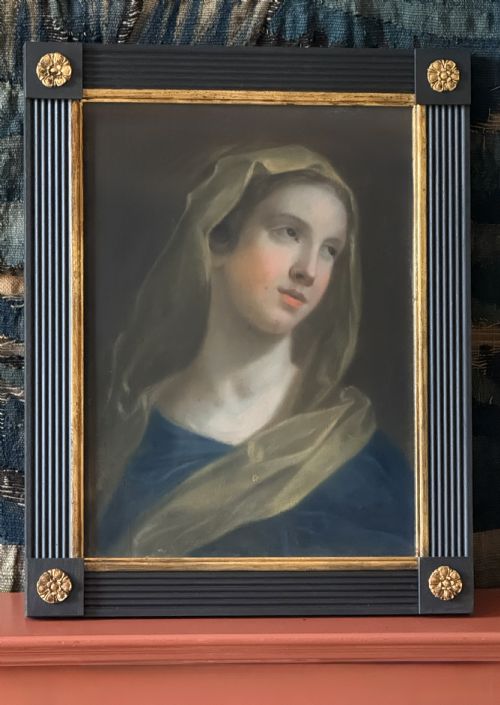
When you search for old painting, you encounter centuries of portraiture and landscape executed in oils on canvas, panel, or board.
Old Painting
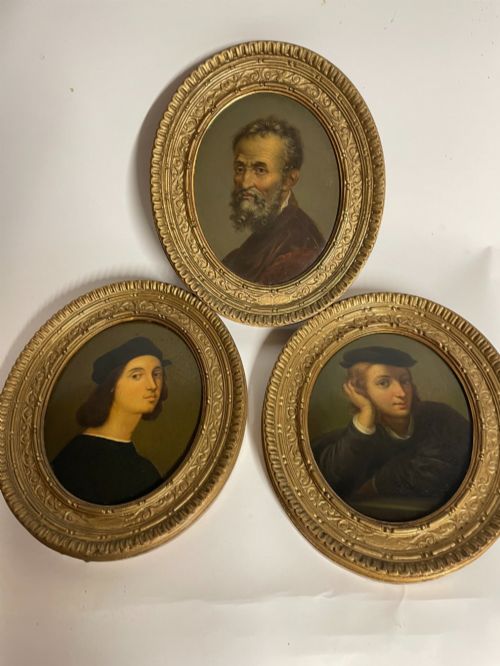
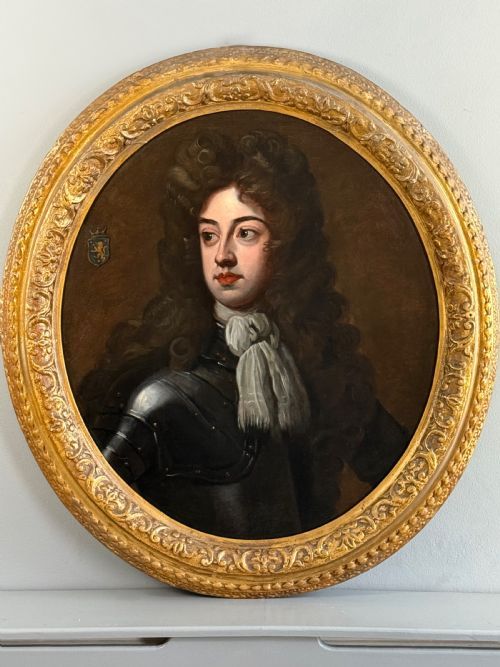
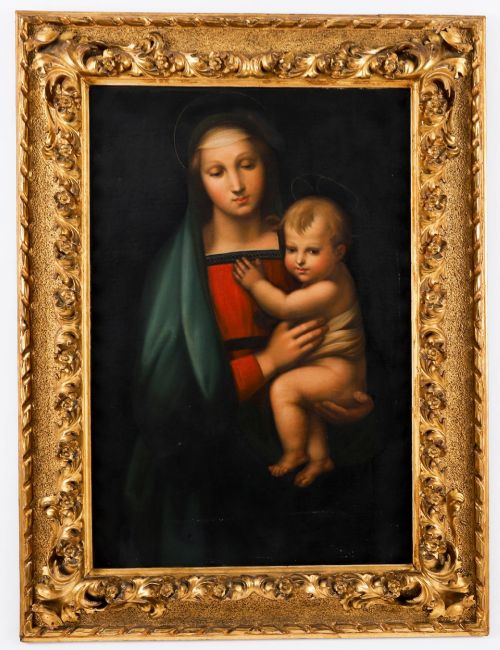
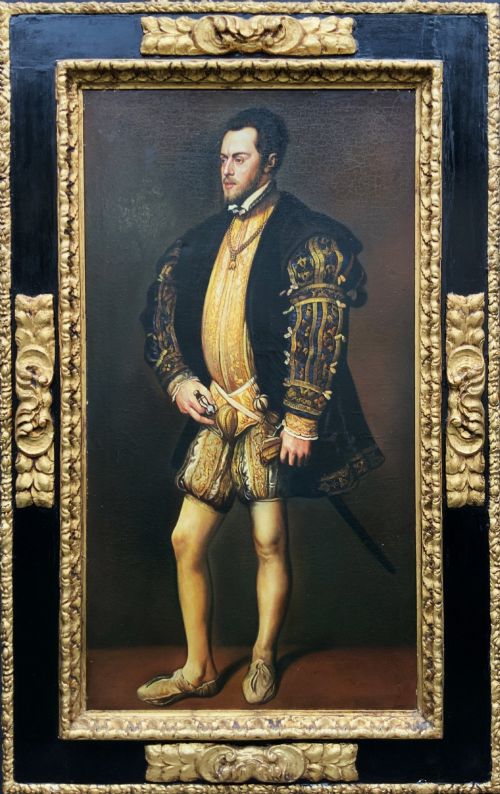
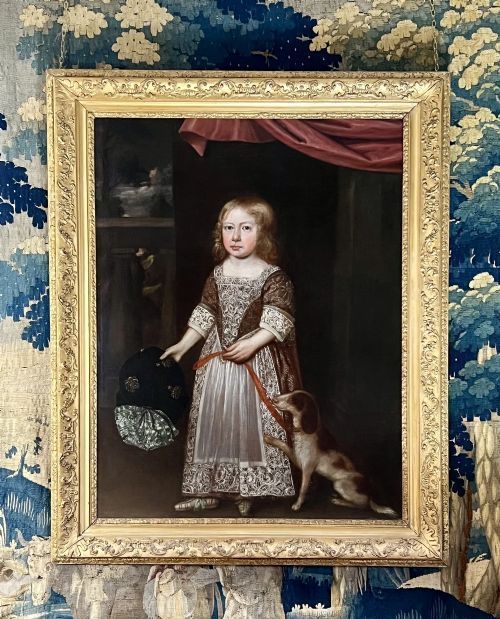
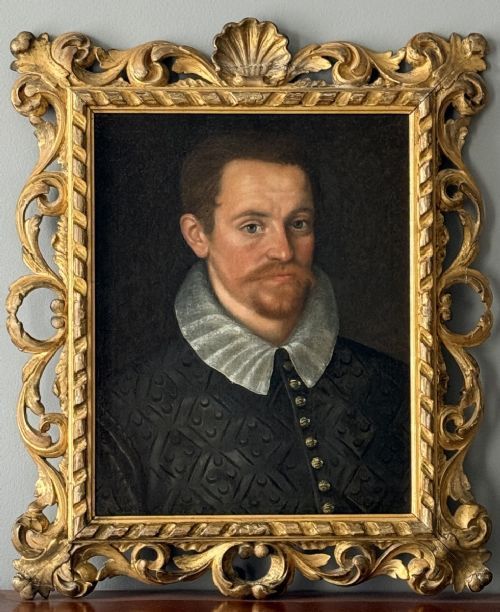
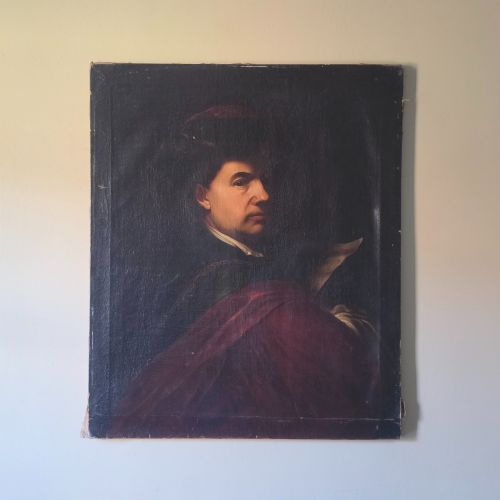
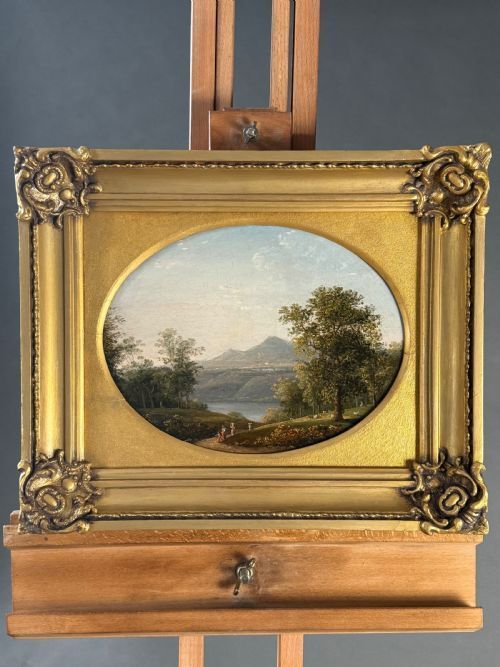
An old painting encompasses centuries of historic portraiture, religious iconography, and landscape scenes created by European schools and named masters. These works span the sixteenth century through the Victorian era and mid-twentieth century, capturing historical figures, noblewomen, and classical mythology. Buyers seek these canvases and panels to acquire authentic period atmosphere and centuries-old artistic heritage.
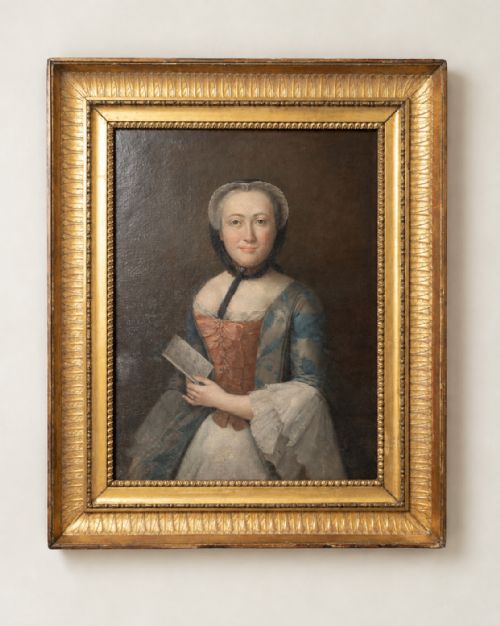
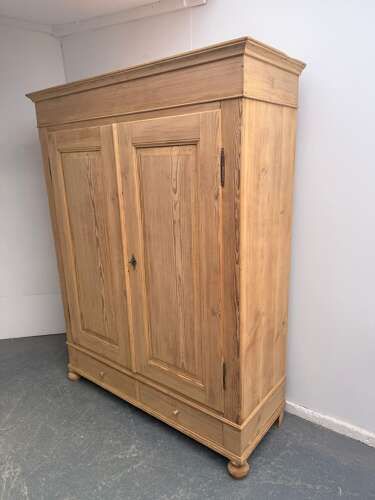
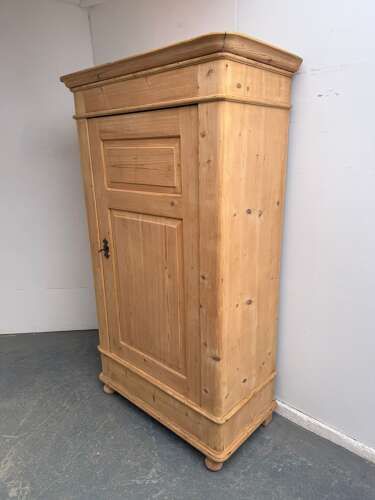
The most common examples on this page are seventeenth and eighteenth-century oil paintings on canvas or wood panel, often depicting sitters from British, Italian, and Northern European schools. Alongside traditional fine art, the listings include occasional vernacular pine furniture pieces sharing the descriptive term old, though the primary focus remains historical framed canvases.
Religious subjects, mythological tableaus, and detailed portraits dominate the selection, offering a tangible link to Baroque, Renaissance, and Georgian aesthetic movements. Collectors encounter everything from grand studio portraits attributed to prominent portraitists to naïve landscapes and maritime scenes from later decades.
How they were made
Historic artists applied oil paint and gold leaf to prepared supports of canvas, wood panel, or board, building up rich layers of pigment and glaze. Canvas was stretched over wooden frames, while earlier or Northern European works frequently utilised solid timber panels.
Giltwood frames often complement these oil paintings, constructed with carved wooden mouldings finished in gold leaf or metallic gilt to house and protect the artwork. The physical support and framing methods changed across periods, moving from robust timber boards to woven canvas and various pasteboard or vinyl supports in later revival pieces.
Old Painting Retail Price Guide 2026
Typical asking prices for old painting among the pieces listed under this phrase on Sellingantiques today, from the lower quarter to the upper quarter. They describe what is for sale here now, not the wider market.
Among the historical portraits, a painted record preserves the likenesses of racing pigeons and fowl.
What varies in quality
The distinction between a workshop production and a master's hand lies in the precision of brushwork, anatomical accuracy, and the depth of the glazing layers. Superior works display confident handling of light and shadow, particularly in fabrics, flesh tones, and background landscapes.
Originality of surface and period framing significantly influence the standing of a piece, as later interventions or overpainting alter the integrity of the image. The distinction between an authentic period piece and a later copy or studio follower rests upon the finesse of execution and documentary attribution.
Sir Godfrey Kneller·Jacob Philipp Hackert·Sir Peter Lely·Joshua Reynolds·Charles D'Agar
The Old Painting Glossary
- Oil on Canvas
- Pigment mixed with drying oil applied to a woven fabric support. This technique allowed artists to create subtle gradations of colour and texture.
- Oil on Panel
- Pigment applied to a flat wooden board, frequently utilised in earlier centuries before canvas became the dominant support.
- Giltwood
- Wood carved and coated with gold leaf or metallic powder. It provides a decorative and protective border for historic paintings.
- School
- A group of artists working in a similar style, region, or period, often under the influence of a master. It denotes artistic lineage rather than a physical academy.
- Provenance
- The documented history of ownership of an artwork. It establishes authenticity and traces the journey of the piece from its creation to the present.
Old Painting: Frequently Asked Questions
What periods do these paintings cover?
The inventory spans from the sixteenth and seventeenth centuries through the Georgian and Victorian eras up to mid-twentieth-century works. Earlier pieces include Renaissance and Baroque school paintings, while later examples feature nineteenth-century portraits and twentieth-century landscapes.
This broad chronological range allows collectors to select works from specific artistic movements, such as the Dutch Golden Age or Italian Renaissance revivals, matching exact historical periods.
How do I identify the subject of a portrait?
Subjects are typically identified through period inscriptions, heraldic crests, clothing styles, and accompanying objects like books or letters. Gentlemen in dark embroidered doublets and ruffs point to seventeenth-century fashion, while noblewomen often display specific jewels or studio attributes.
Researching the sitter's costume and any visible coats of arms helps historians link the portrait to documented historical figures or specific aristocratic families.
Are these paintings supplied with frames?
Many paintings are housed in period or replacement giltwood and wood frames that complement the style and age of the artwork. These frames vary from ornate carved mouldings to simpler traditional borders suited to the specific century of the canvas.
Buyers should examine the listing details to confirm whether the displayed frame is original to the painting or a subsequent period addition.
How should I care for an old oil painting?
Old oil paintings require stable environmental conditions away from direct sunlight, high humidity, and extreme temperature fluctuations. Canvas and wood supports react to moisture changes, so keeping the room atmosphere moderate preserves the integrity of both the paint layer and the ground.
Dusting should be done gently with a soft, dry brush, avoiding any liquid cleaners or harsh chemicals that might damage aged varnish and pigment.