

Old Oil Painting
When you search for an old oil painting, you enter a centuries-old tradition of portraiture and landscape rendered in oil on canvas and board.
Old Oil Painting
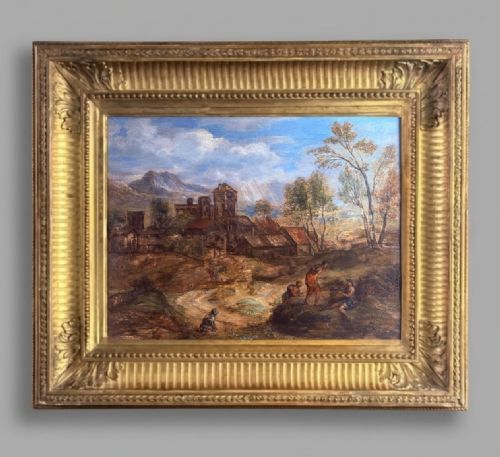
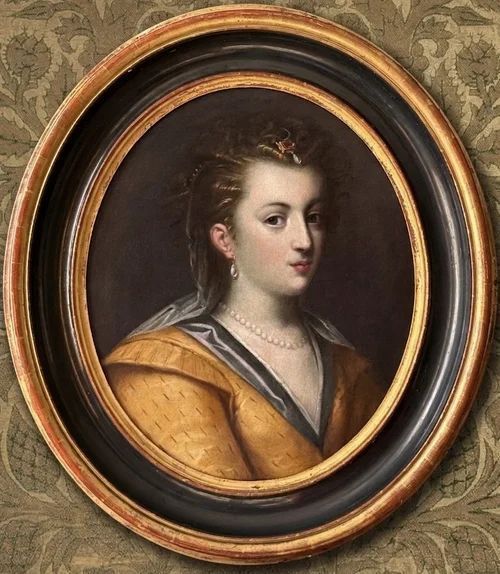
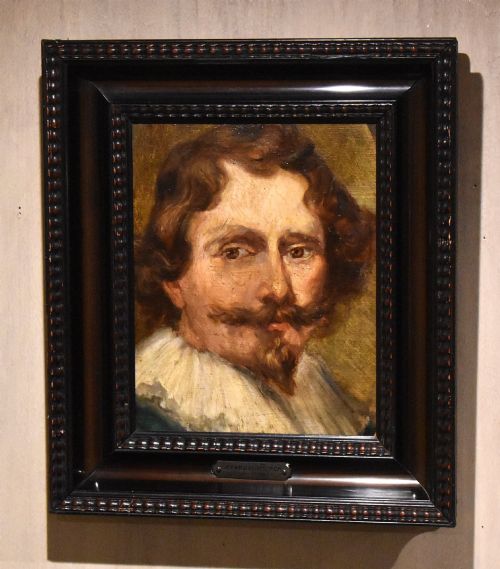
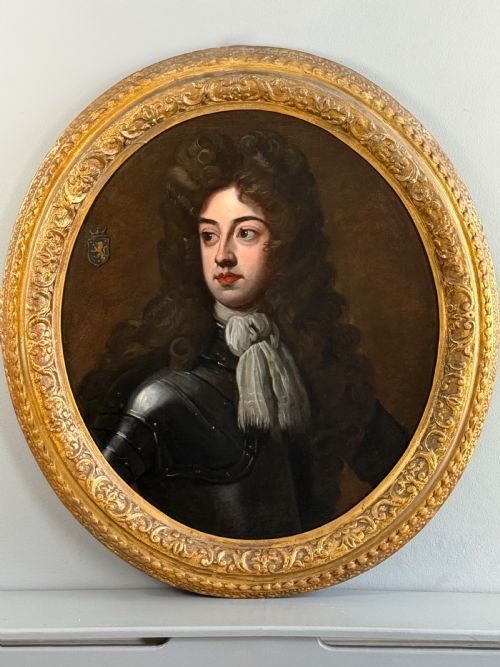
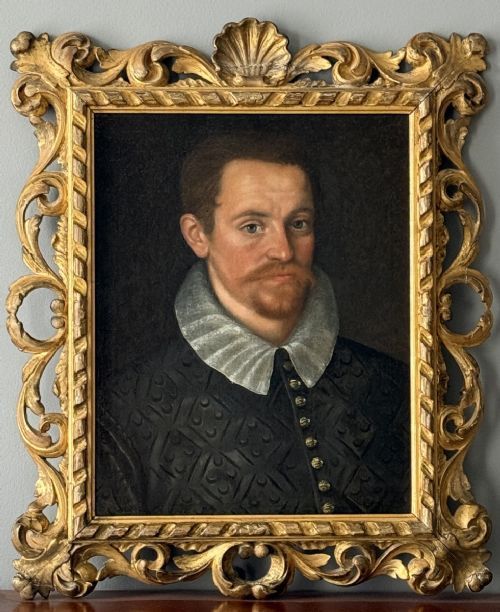
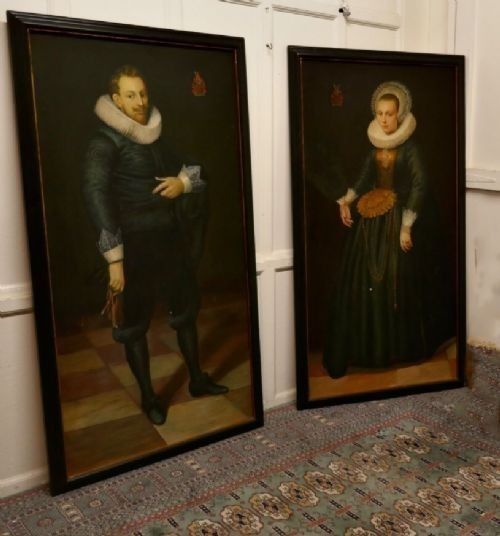
An old oil painting encompasses historic works spanning from the sixteenth century through the nineteenth century, including regional European schools and later British landscapes. Buyers encounter formal portraits of nobility, classical mythological scenes, and genre paintings created in distant workshops.
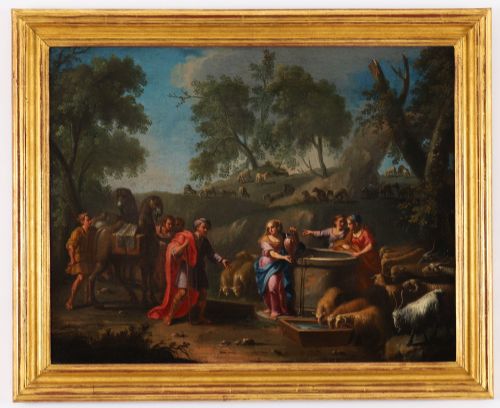
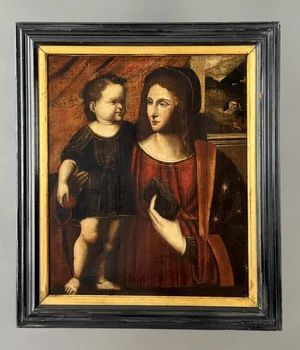
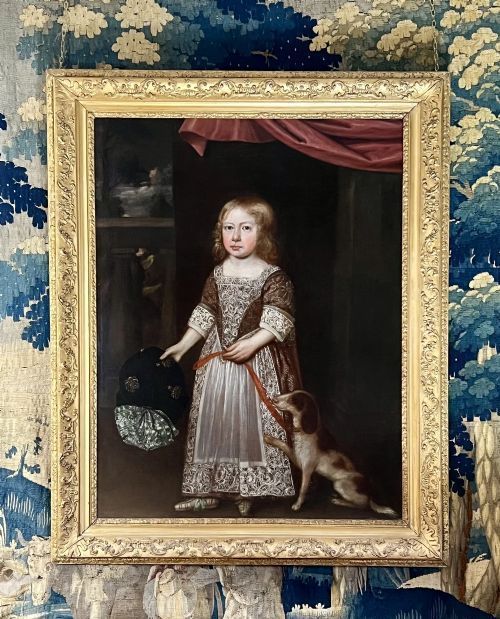
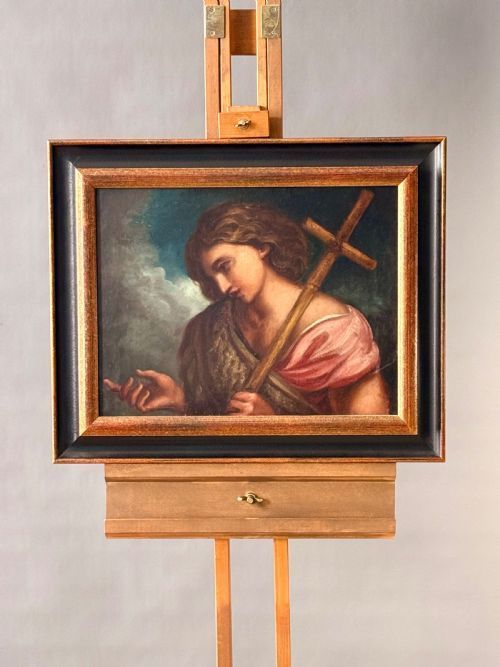
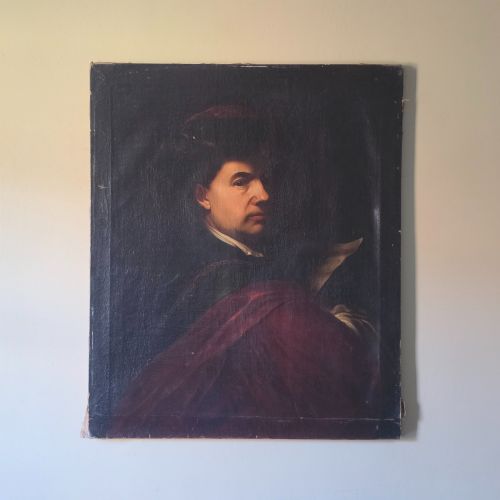
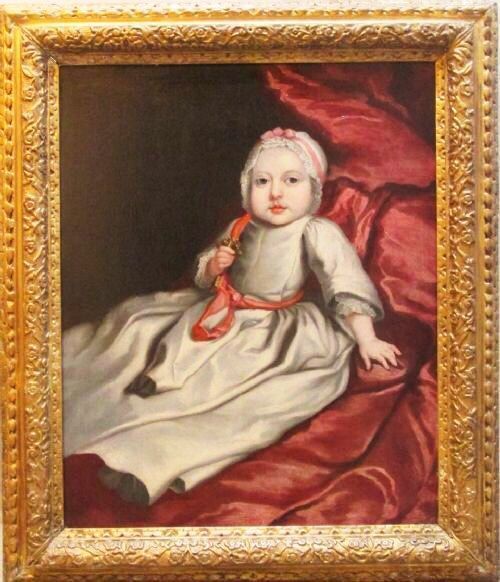
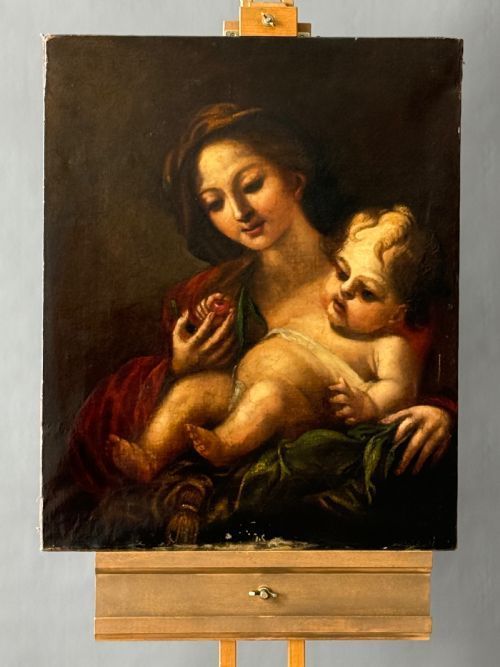
The most common examples on this page are seventeenth and eighteenth-century portraits and religious or classical compositions, frequently originating from Italian, Dutch, and English schools. These works capture the likenesses of historical figures or interpret biblical narratives with traditional pigment layers.
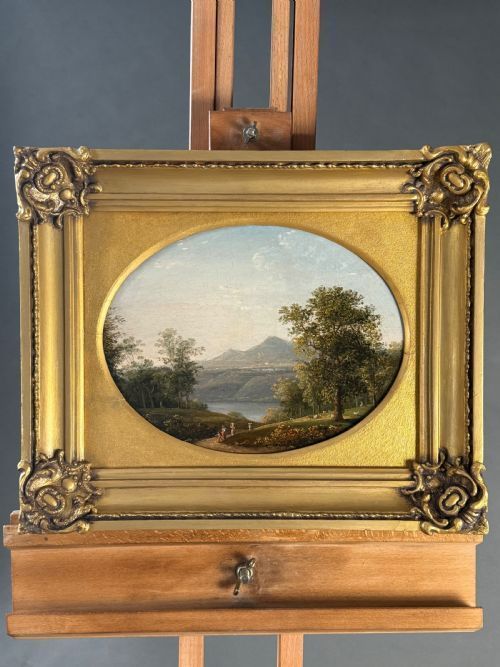
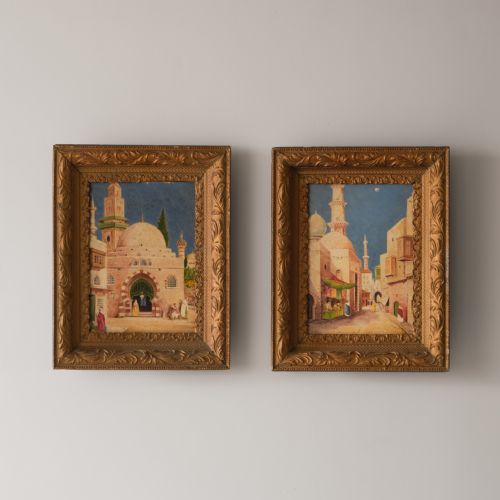
Alongside grand master traditions, the selection includes regional landscapes, maritime views, and naive compositions from the early twentieth century. Each piece carries the distinct touch of academic training or provincial workshop practice from its period.
How they were made
Painters applied oil paint formulated from ground pigments and drying oils onto stretched canvas, wood panels, or vinyl canvas grounds. Brushwork varied from meticulous glazing used in formal portraiture to expressive, impasto application in later landscapes.
Many historical works retain their original or period frames constructed from wood, embellished with gold leaf and giltwood mouldings. These frames provided structural support and decorative enclosure for the delicate paint surfaces.
Listings feature works spanning the sixteenth to the twentieth centuries, utilising oil paint on canvas, board, and panel.
What varies in quality
Quality in an old oil painting rests upon the skill of the draftsmanship, the handling of light and shadow, and the psychological depth of the subject. Master works demonstrate confident anatomical rendering and nuanced tonal transitions, whereas provincial pieces show stiffer proportions.
The survival of the original pigment layer and the extent of historical intervention dictate the integrity of the piece. Subtle pentimenti, where the artist altered compositions during painting, indicate authentic historic creation.
Lavinia Fontana·Sir Godfrey Kneller·Jacob Philipp Hackert·Bernardino Luini·Mary Beale·Kenneth Cozens·Sir Peter Lely·Joshua Reynolds·Angelo Maria Crivelli·Jeremiah Davison·Charles D’Agar·Pietro Fachetti·Toussaint Gelton·David Teniers·Rembrandt·John Hodgson Lobley·Pieter Borseler·Henri and Charles Beaubrun·Adriana Verelst·Sir Anthony Van Dyck·Philippus Vilain
The Old Oil Painting Glossary
- Oil on Canvas
- Pigment mixed with drying oil applied to a woven fabric support. This combination allowed artists to create rich textures and blend colours seamlessly.
- Giltwood
- Wood carved and coated with gold leaf or metallic powder. It forms the decorative surface of traditional picture frames.
- Pentimento
- An alteration in a painting visible as previous layers show through the top paint. This reveals the artist changing their composition during the creative process.
- Old Master
- A European painter of skill working before about eighteen hundred. The term also designates a painting produced by such an artist.
- Impasto
- Paint applied thickly to a canvas, standing out from the surface. This technique gives physical texture and catches light across the brushstrokes.
Old Oil Painting: Frequently Asked Questions
How do I identify the period of an old oil painting?
Examine the clothing, hairstyle, and framing conventions depicted within the artwork to establish a baseline era. Stylistic clues and written inscriptions on the reverse often point toward specific centuries.
Material analysis of the canvas and underlying wood stretcher provides further chronological context. Comparing brushwork techniques with documented regional schools helps narrow down the date.
Where were these paintings originally displayed?
Historic portraits and classical scenes hung primarily in country houses, civic buildings, and private ecclesiastical spaces. Wealthy patrons commissioned them to display lineage, status, and scholarly taste.
Smaller landscapes and genre pieces often adorned the walls of merchant homes and provincial parlours. Over time, these artworks migrated into public galleries and private collections.
How should I care for an oil painting at home?
Keep the artwork away from direct sunlight and drastic fluctuations in household temperature and humidity. Stable environmental conditions prevent the canvas and wood from warping or cracking.
Dust the surface gently with a soft, dry brush without applying pressure to the paint layer. Avoid using water or chemical cleaning solutions on aged surfaces.
What is a pentimento and why do collectors look for it?
A pentimento is an alteration made by the artist during the painting process that becomes visible over time. Changes in hand positions or facial angles appear faintly beneath top layers of pigment.
Collectors value these alterations because they provide undeniable proof of an original, uncopied composition. They reveal the working method of the artist at the easel.