




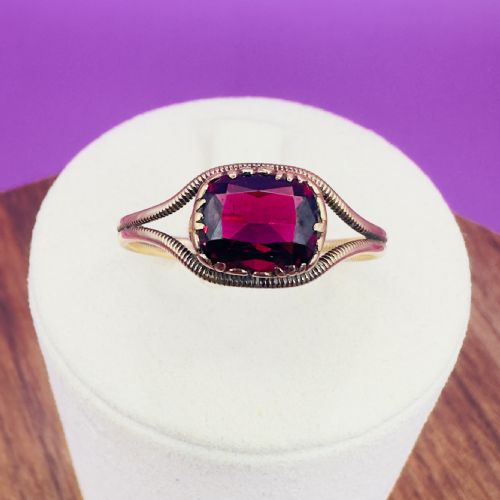
Old Mine Cut Jewellery
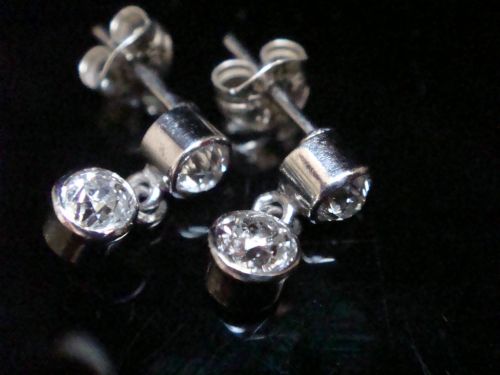
Old mine cut jewellery encompasses historic rings, drop earrings, and bangles set with hand-faceted stones that catch candle and gaslight with a characteristic warm glow.
Old Mine Cut Jewellery
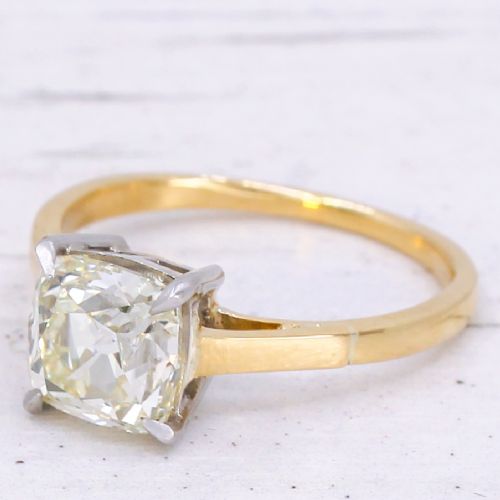
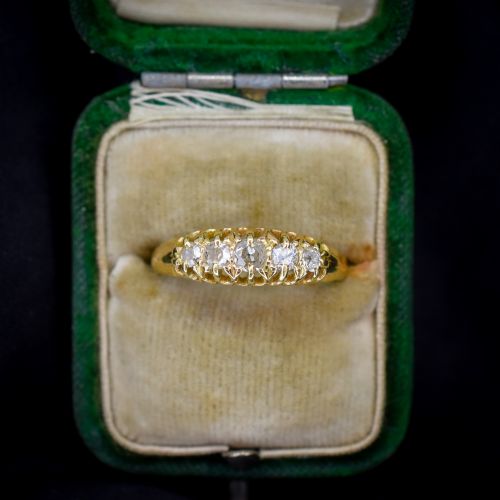
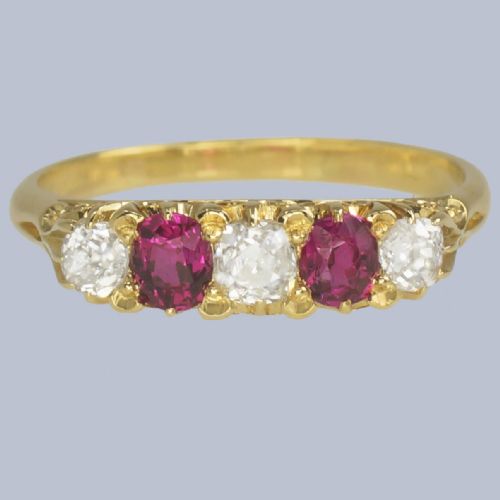
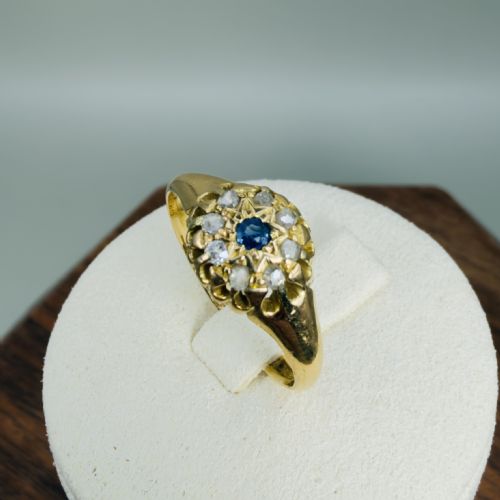
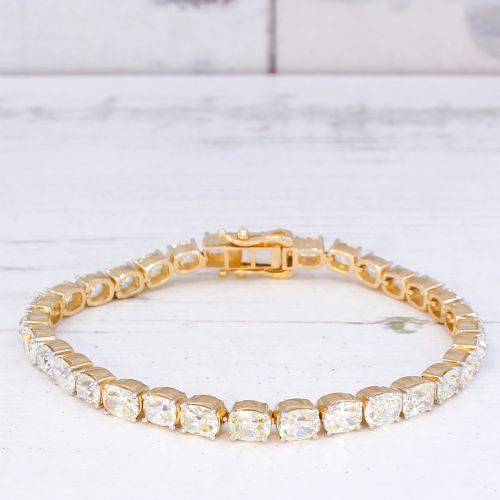
Old mine cut jewellery gathers together rings, drop earrings, bangles, brooches, and bracelets fashioned across the Victorian, Edwardian, and Art Deco periods, alongside Georgian and mid-century examples. The selection leans heavily toward rings, from solitaire engagement rings and five-stone bands to ruby, sapphire, and diamond clusters.
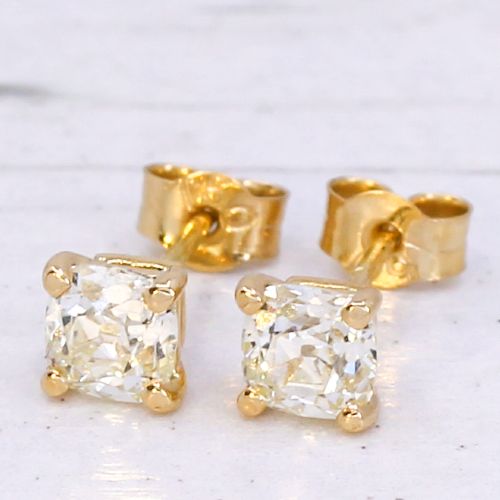
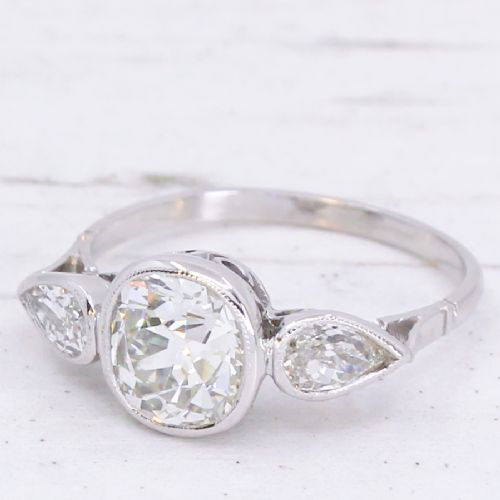
Buyers meet pieces originating from the nineteenth and early twentieth centuries, constructed in gold and silver settings. The stones bear the characteristic cushion-shaped outlines and high crowns of hand-cut diamonds shaped before modern machinery standardised the process.
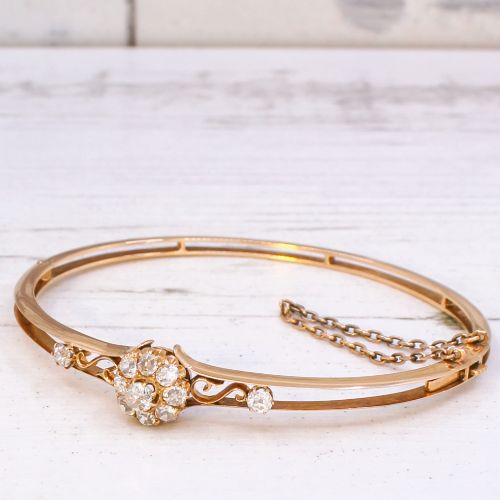
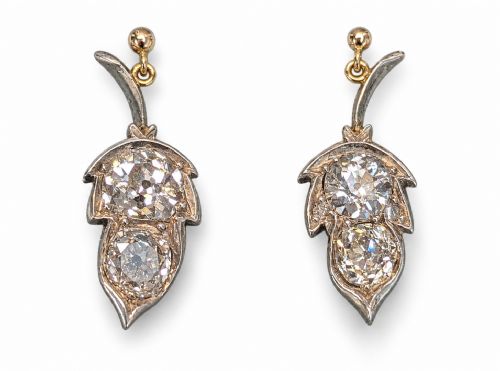
Beyond rings, the category includes elaborate drop earrings, hinged bangles, and starburst brooches. These items reflect the shifting aesthetic preferences from the heavy gold work of the mid-Victorian era to the lighter platinum and white gold filigree of the Edwardian years.
Metals and Hand-Cutting Techniques
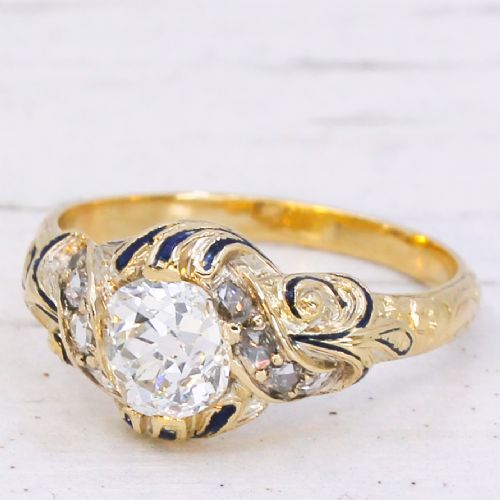
Metals employed in these pieces include 18ct yellow gold, 15ct gold, 18ct white gold, platinum, and silver. Victorian workshops frequently combined silver-topped gold, mounting stones in silver to emphasise their whiteness while using gold for structural strength.
Diamonds within these mounts received their facets by hand, resulting in irregular culets and chunky proportions that distinguish them from brilliant cuts. Sapphires, rubies, garnets, and pearls often accompany the diamonds in cluster and multi-stone arrangements.
Old Mine Cut Jewellery Retail Price Guide 2026
Typical asking prices for old mine cut jewellery among the pieces listed under this phrase on Sellingantiques today, from the lower quarter to the upper quarter. They describe what is for sale here now, not the wider market.
Listings in this category feature Victorian, Edwardian, and Art Deco items fashioned from 18ct gold, platinum, and silver.
Design Integrity and Stone Proportion
Quality separates along the lines of original structural integrity and the harmony of stone proportions. Pieces that retain their original settings without later alterations or shank replacements hold greater integrity for collectors.
The visual weight and symmetry of the hand-cut stones dictate the finer end of the range. Master lapidaries of the nineteenth century balanced the depth of the pavilion against the open culet to maximise light return under ambient conditions.
The Old Mine Cut Jewellery Glossary
- Old Mine Cut
- A diamond cutting style prevalent before the twentieth century, featuring a cushion outline, high crown, small table, and a large open culet. These stones were shaped by hand to retain weight and sparkle warmly in low light.
- Culet
- The small facet at the very bottom of a gemstone. In old mine cut stones, this facet is often distinctly visible to the naked eye as a tiny open square or octagon.
- Gypsy Setting
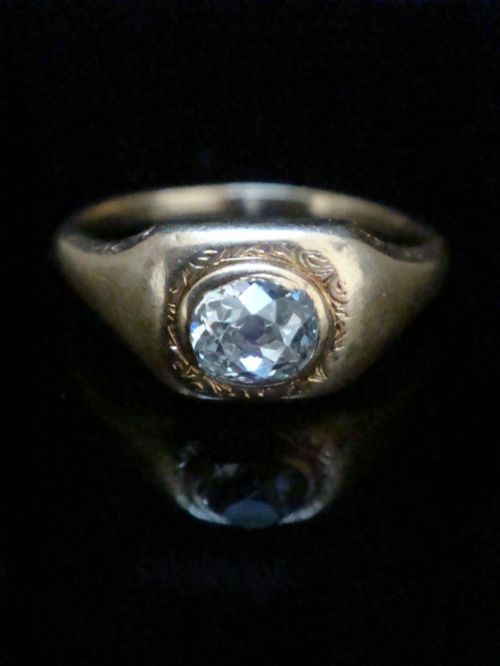
- A ring design where the gemstone is flush-set directly into the thick metal band, sloping gently downward to the girdle. This style was widely favoured during the Victorian era for practical everyday wear.
- Carved Half Hoop
- A ring style featuring gemstones mounted in a curved band adorned with hand-carved scrollwork or floral motifs along the shoulders. Victorian jewellers used this technique to add texture alongside multi-stone settings.
- Rubover Setting
- A mounting technique where a thin collar of metal is pushed or rubbed over the edge of the gemstone to secure it in place. This secure method creates a smooth, snag-free outline typical of antique jewellery.
Old Mine Cut Jewellery: Frequently Asked Questions
What is old mine cut jewellery?
Old mine cut jewellery refers to historic rings, brooches, earrings, and bracelets set with diamonds shaped by hand prior to the twentieth century. These stones typically exhibit cushion outlines and chunky proportions.
Items span the Georgian, Victorian, and Edwardian eras, utilising metals such as yellow gold, silver, and platinum. Each piece reflects the hand-craftsmanship of its period.
How do I care for antique diamond jewellery?
Antique pieces require gentle handling due to their age and delicate settings. Clean them with a soft brush and warm soapy water, avoiding harsh ultrasonic cleaners that can loosen old stones.
Store items individually in soft pouches to prevent metal and stones from scratching one another. Regular inspection by a specialist ensures the claws and rubover settings remain secure.
Are these pieces suitable for daily wear?
Many items, particularly sturdy Victorian and Edwardian rings and bangles, were built for daily use. However, delicate drop earrings and older silver-topped settings benefit from occasional rather than constant wear.
Consider the integrity of the specific mount and the security of the stones before adopting a piece into a daily rotation. Consulting a jeweler helps determine the durability of individual items.
How can I tell the period of a piece?
Dating relies on a combination of metal types, gemstone arrangements, and manufacturing techniques. Victorian pieces often utilise 15ct or 18ct yellow gold and silver-topped mountings, while Edwardian items frequently showcase platinum and white gold filigree.
Hallmarks, maker marks, and stylistic clues such as snake motifs or cluster configurations also point toward specific decades. Comparing construction methods against known historical examples clarifies the timeline.